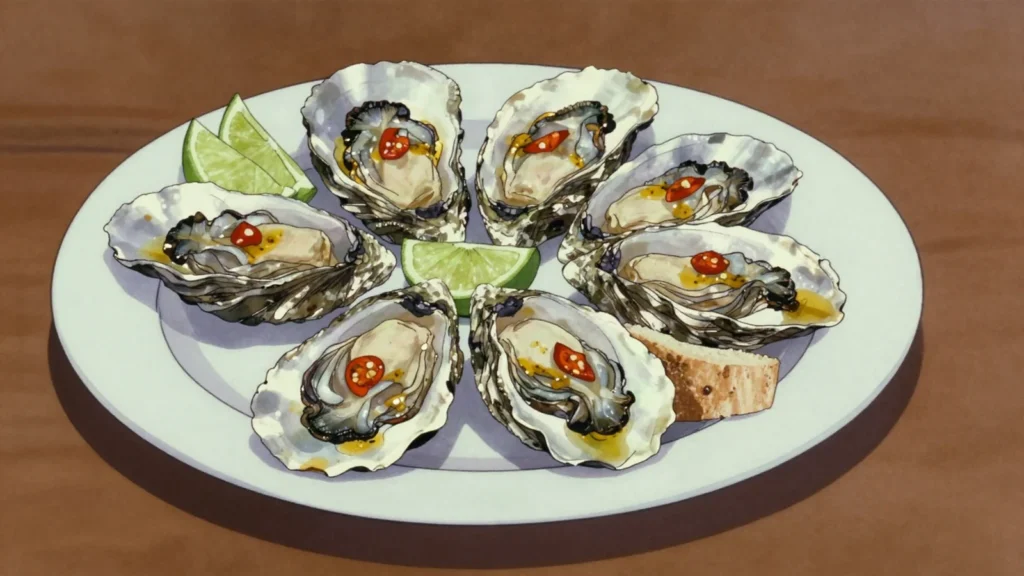

Ingredients
The oysters
- 48mangrove oysters
- in the shell, live
- scrubbed clean
- from a reputable source
- see the safety notes carefully
The seasoning
- juice of 4 limes
- 3 clovesgarlic, crushed
- 1hot chilli, finely chopped
- or a spoonful of chilli paste
- 1small onion, very finely chopped
- 3 tablespoonsgroundnut oil
- salt and black pepper
Sometimes added
- a little chopped parsley
- a splash of vinegar
- 1stock cube, crumbled
- a spoonful of mustard
- which is common in Senegal
For the grill
- charcoal
- a grill or a metal sheet
- long tongs
- a stiff brush
To serve
- extra lime wedges
- bread
- a cold drink
Directions
- Discard any that will not close. The shell should feel heavy for its size. Discard any with a cracked shell. Check every single one individually. If in doubt at all, throw it away.
- Use a stiff brush and work thoroughly. The coals should be covered in grey ash. Grill outdoors in open air only. Lay them cup side down if you can tell. That keeps the liquid inside as they heat. Grill them for about five minutes. That opening is the signal they are ready.
- Stand back and use long tongs. Do not lean over the hot grill. Put the scrubbed oysters in a large pot. Add a little water to the bottom. Cover the pot with a tight lid. Steam the oysters over a high heat. Give them about five to eight minutes.
- Shake the covered pot once or twice. Lift the lid away from your face. Steam scalds badly and it condenses on skin. Keep all the liquid inside the shell. Mix the lime juice with the crushed garlic.
- Add the finely chopped chilli. Add the very finely chopped onion. Add the oil, salt and black pepper. Add mustard if you are using it. Let the mixture stand ten minutes. Now spoon it over the hot oysters.
- Spoon a little of it onto each one. Do not drown the oysters in it. Serve them immediately while hot. Serve extra lime wedges alongside.
- Serve bread to mop up the juices. Cooked oysters keep a day refrigerated. Keep them cold, never in fresh water. Cover them over with a damp cloth. Do not seal them into a plastic bag.
Technique
- Yokhoss is cooked rather than eaten raw, and that regional preference is a sensible one. Oysters filter enormous volumes of water and concentrate bacteria and viruses — norovirus, hepatitis A, and Vibrio, of which Vibrio vulnificus causes severe infection with a high fatality rate, particularly for people with liver disease, haemochromatosis, diabetes or any immune compromise. Thorough cooking destroys those organisms.
- Check every oyster individually before cooking. The shell must be tightly closed or close when tapped, feel heavy with seawater and smell clean. Discard any that gape and stay open, feel light, are cracked or smell sour. If in doubt, throw it away.
- If an oyster will not open with heat, discard it. Some argue an unopened oyster may simply have a strong muscle and be perfectly good, but you cannot easily tell why it stayed shut, and the risk is not worth one oyster.
- Heated shells crack and spit scalding liquid as they open. Stand back, use long tongs and do not lean over the grill. If steaming, lift the lid away from your face.
- Scrub the shells thoroughly. Mangrove oysters come out of mud and any grit left on ends up in the oyster and grinds against your teeth.
- Oyster shells are extremely sharp and the cuts infect readily in warm conditions. Gloves are worth wearing while scrubbing.
- Charcoal produces carbon monoxide, which has no colour, smell or taste and kills in enclosed spaces. Grill outdoors only, never in a garage or tent, and never bring a used grill inside.
- The traditional harvesting method cut whole mangrove root sections away with the oysters attached, which killed the trees over time. Mangroves protect coasts from erosion and storms, act as fish nurseries and store large amounts of carbon. Better methods now cut oysters from the root while leaving it alive, or hang ropes for larvae to settle on — genuine aquaculture rather than gathering. Replanting programmes have run alongside. It is real progress and not a solved problem.
- Harvesting is overwhelmingly women’s work in Senegal, and it supports a great many households through cooperatives. It is also hard and uncomfortable — deep mud, sharp roots, and cuts that infect readily. The atlas notes that rather than romanticising it.
Substitutions
- Any oyster can be grilled or steamed the same way; mangrove oysters are smaller and stronger tasting than farmed cold-water ones.
- Steaming in a covered pot replaces grilling entirely and avoids the charcoal question.
- Chilli paste replaces fresh chilli, and a spoonful of mustard is a common and genuinely Senegalese addition.
- Lemon replaces lime, though lime is usual.
- A stock cube crumbled into the seasoning is near-universal practice in the region.
- Dried or smoked oysters from a West African grocer go into stews rather than being eaten as they are.
Variations
- Smoked and dried mangrove oysters are the main trade product and are used to deepen stews and sauces.
- A version steamed and then stirred into a tomato and onion sauce is served over rice.
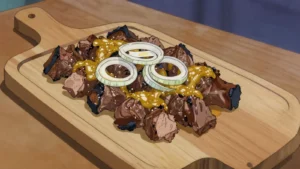
- Some vendors grill them and serve them with a mustard and onion sauce close to yassa.
- Related mangrove oyster dishes are made along the coast in the Gambia, Guinea-Bissau and beyond.
- Walvis Bay oysters in Namibia are farmed cold-water oysters usually eaten raw, a quite different tradition.
- Some cooks make an oyster and rice dish, closer to a thieboudienne in structure.
History
Harvested by women from mangrove roots in the Casamance and Sine-Saloum deltas and sold smoked, dried or grilled.
Frequently asked questions
What is Yokhoss?
Yokhoss is a street food from Senegal: mangrove oysters grilled or steamed over coals and eaten with chilli and lime. Harvested by women from mangrove roots in the Casamance and Sine-Saloum deltas and sold smoked, dried or grilled.
How long does Yokhoss take to make?
Yokhoss takes 30 minutes of preparation and 20 minutes of cooking. The recipe makes serves 4 as a starter. It is rated medium to make.
What can I substitute in Yokhoss?
Yes, within limits. Any oyster can be grilled or steamed the same way; mangrove oysters are smaller and stronger tasting than farmed cold-water ones. Steaming in a covered pot replaces grilling entirely and avoids the charcoal question. Chilli paste replaces fresh chilli, and a spoonful of mustard is a common and genuinely Senegalese addition. Lemon replaces lime, though lime is usual. A stock cube crumbled into the seasoning is near-universal practice in the region. Dried or smoked oysters from a West African grocer go into stews rather than being eaten as they are.
What is the most important thing to get right in Yokhoss?
Stand back and use long tongs. Do not lean over the hot grill. Put the scrubbed oysters in a large pot. Add a little water to the bottom. Cover the pot with a tight lid. Steam the oysters over a high heat. Give them about five to eight minutes.