Chillies pounded or fermented into a paste with salt and whatever the kitchen adds — harissa, sambal, gochujang, ají amarillo — each one a preserved, ready-made flavour base that a cuisine is built around.
Where it comes from
A chilli paste solves two problems at once: it keeps fresh or dried chillies through the year, and it puts the work of pounding and seasoning into a jar so that a dish can start from flavour rather than from raw ingredients. Every chilli-growing culture arrived at one. Some are simply chilli, salt and oil; others carry garlic, spices, fermented beans or dried shrimp, and the fermented ones develop a depth that no fresh chilli has.
The great families are the North African harissa, built on dried red chillies, garlic, caraway, coriander and cumin; the Southeast Asian sambals, which range from raw pounded chilli and salt to complex fried pastes with shrimp paste and palm sugar; Korea’s gochujang, a slow-fermented paste of chilli, glutinous rice and soybeans that is as much a miso as a chilli sauce; and the Andean ají pastes, of which the fruity yellow ají amarillo is the taste of Peru.
Varieties
- Harissa — Tunisia’s paste of dried red chillies, garlic, olive oil and warm spices. Hot, smoky, aromatic; stirred into couscous broths and stews or spread on bread.
- Sambal oelek — The plain Indonesian paste — fresh red chillies pounded with salt and a little vinegar. Pure chilli heat with nothing else, the base for other sambals.
- Sambal terasi / belacan — Chilli pounded with fermented shrimp paste, shallot and lime. Pungent, deep and savoury; the taste of Indonesian and Malay tables.
- Gochujang — Korea’s fermented chilli, rice and soybean paste. Sweet, hot, deeply savoury; months in the making and used in everything from stews to marinades.
- Ají amarillo paste — Peru’s yellow-orange chilli, boiled and blended. Fruity, medium heat, and the colour and flavour of ají de gallina and causa.
- Sriracha and nam prik — Thailand’s chilli sauces and relishes — the smooth garlicky sriracha of Si Racha, and the countless nam prik dipping pastes pounded fresh with lime, fish sauce and shrimp.
In the kitchen
A fermented paste like gochujang or a shrimp-based sambal is a seasoning as much as a chilli: it brings salt and umami, so cut back on other salt. A fresh paste like sambal oelek or a raw harissa is closer to a chilli — add it for heat and adjust the rest.
Frying a chilli paste in oil for a minute or two before the other ingredients — until it darkens slightly and the oil turns red — is the step that most recipes from Malaysia, Indonesia and Thailand begin with. It cooks off the rawness and releases the aroma into the fat.
Choosing and keeping
Opened jars keep for months in the fridge, longer if the surface is covered with a film of oil. A fermented paste only deepens with age; a fresh chilli paste slowly loses its brightness.
Home-made harissa or sambal, packed into a clean jar and topped with oil, keeps for weeks refrigerated. Heat varies enormously between brands and batches — taste before you measure.
Dishes with chilli paste
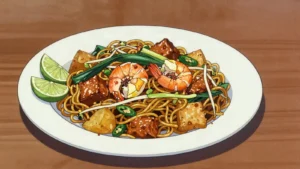 Mee Goreng MamakIndian-Muslim fried yellow noodles, sweet-spicy with tofu and potato
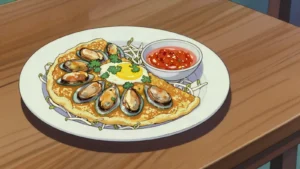 Hoy TodCrisp-chewy batter fried with mussels or oysters and egg, served with sriracha
 Brikshatteringly crisp malsouka pastry around runny egg, tuna, capers and parsley
 MlawiLayered semolina flatbread griddled in oil and folded around harissa, tuna or cheese
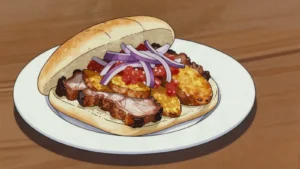 Pan con chicharrónRoll filled with fried pork, sweet potato and salsa criolla
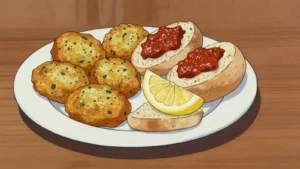 Maakoudacrisp fried potato patties stuffed into bread with harissa
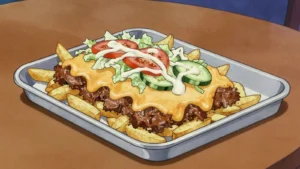 KapsalonTray of fries topped with shawarma, melted gouda, salad and garlic sauce.
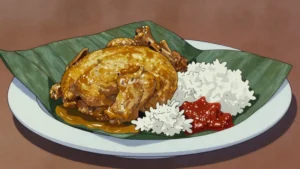 Ayam BetutuWhole chicken packed with spice paste, wrapped in leaves and steamed for hours
Chilli paste is tagged on 159 dishes from 43 countries in the atlas. These notes are written from general knowledge and carry no per-fact citation — see About.