The condiment made from ground mustard seed and a liquid — sharp, hot, sour — in forms from the smooth heat of English to the sweet grain of Bavarian, and a cooking ingredient in dressings, glazes and sauces.
Where it comes from
Mustard as a condiment goes back to the Romans, who ground the seed with grape must — mustum ardens, ‘burning must’, is the source of the name. Dijon has made it since the Middle Ages and gave its name to the style made with verjuice or white wine rather than vinegar; the English ground it to a fine yellow powder mixed with water at the table; Germany made it coarse and sweet; and American yellow mustard, mild and turmeric-coloured, came out of the hot-dog stand.
The heat is a chemical reaction: crushing the seed and wetting it lets an enzyme release the pungent compound, which then fades over time and with heat. That is why freshly mixed English mustard is fiercest, why mustard mellows in a jar, and why a mustard cooked into a sauce for long loses its bite and keeps only its flavour.
Varieties
- Dijon — Smooth, pale, sharp and clean, made with brown seed and white wine or verjuice. The cooking mustard of France; in vinaigrettes, mayonnaise and cream sauces.
- English — Very hot, bright yellow, sold as powder to be mixed or ready-made. With beef, ham and cheese; a pinch in a cheese sauce.
- Wholegrain (moutarde à l’ancienne) — Coarsely crushed seed in a Dijon-style base. Textured and milder; in glazes and with charcuterie.
- German (Bavarian sweet, Düsseldorf) — Bavarian is coarse, sweet and mild, for weisswurst; Düsseldorf is dark, hot and sharp.
- American yellow — Mild, tangy, turmeric-yellow, made with white seed and vinegar. For hot dogs.
- Kasundi — The fermented Bengali mustard relish — hot, sour, with green mango or chilli; a condiment for fried fish.
In the kitchen
A teaspoon of Dijon emulsifies a vinaigrette and a mayonnaise and sharpens a cream sauce, a rabbit braise or a cheese sauce. Add it at the end for heat or at the start for flavour without heat. Brushed on a ham or a joint before roasting it makes a glaze with sugar or honey.
Mustard powder mixed with cold water and left ten minutes develops its full heat; mixed with hot water or vinegar it stays milder. Dijon and wholegrain are the cooking mustards; English and American are for the table.
Choosing and keeping
Opened jars keep for months in the fridge but slowly lose heat; a mustard that has gone dark on top has oxidised and is dull. Mustard powder keeps a year or more dry.
Prepared mustards vary greatly in salt and vinegar; taste before you season the dish they go into.
Dishes with mustard
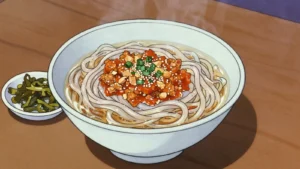 Shan NoodlesRice noodles with garlicky chicken-tomato sauce and pickled greens
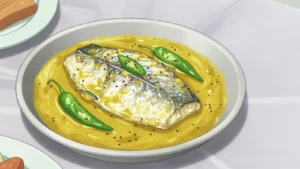 Shorshe IlishNational hilsa fish cooked in pungent mustard sauce
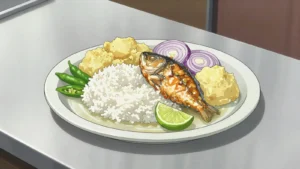 Panta BhatFermented soaked rice with fried hilsa and chilies; Bengali New Year dish
 Poulet braiséCharcoal-grilled marinated chicken, maquis classic with attiéké
 AwazeBerbere loosened with tej or wine into a dark dipping paste for grilled meat
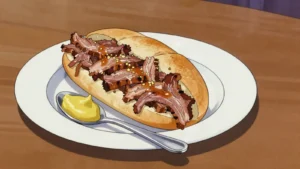 Bifanathin garlic-marinated pork cutlets in a soft roll
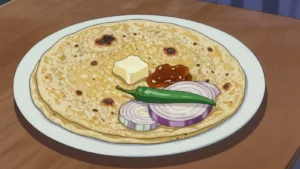 Makai ki RotiCoarse maize flatbread patted by hand, cooked on a griddle with butter
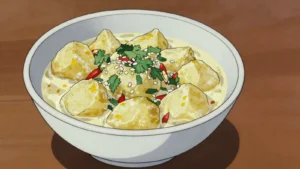 ChukauniBoiled potatoes dressed with yoghurt, fenugreek, sesame and chilli
Mustard is tagged on 234 dishes from 85 countries in the atlas. These notes are written from general knowledge and carry no per-fact citation — see About.