The dried, unripe fruit of a climbing vine, Piper nigrum — the spice that Roman and medieval Europe paid for in silver, and the one seasoning that is on almost every table on earth without anyone thinking of it as a spice at all.
Where it comes from
Pepper is native to the Malabar coast of south-west India, and the wild vine still grows in the Western Ghats. It was being shipped west two thousand years ago; for most of the Middle Ages it was the single most valuable commodity in the spice trade, and ‘peppercorn rent’ survives in English law as the name for a token payment. Today it is grown across the tropics — Vietnam is the largest producer by a wide margin, with Brazil, Indonesia and India behind it.
Black, white and green pepper are the same fruit at different stages and treatments. Black pepper is picked unripe and dried whole, so the skin blackens and wrinkles around the seed. White pepper is the ripe fruit with the skin soaked and rubbed off, leaving the pale seed — milder in aroma, sharper on the tongue, and preferred where black specks would show. Green pepper is the unripe fruit preserved fresh, in brine or by freeze-drying, and tastes of the vine rather than of heat. Pink peppercorns are not pepper at all but the berry of a Peruvian tree.
Varieties
- Tellicherry — Large berries left longest on the vine, from the Malabar coast. Full, fruity and a little citrusy behind the heat; the grade most cooks mean when they say good pepper.
- Malabar — The standard Indian grade — smaller than Tellicherry, hotter for its size, the pepper in most mills.
- Lampong — From Sumatra. Small, very dark, with a clean sharp heat and less fruit.
- Sarawak — From Borneo; both black and white are traded. Mild, bright, and the white is unusually clean — the choice in Chinese and Malaysian kitchens.
- Kampot — From Cambodia, protected by name. Sweet, floral, expensive; sold black, white and red, the red being the fully ripe berry dried whole.
- White pepper — The skinned ripe berry. Earthy and hot rather than aromatic — the pepper of Chinese soups, Thai stir-fries and pale French sauces.
In the kitchen
Grind it at the last moment. The aroma is in volatile oils that leave within an hour of grinding, which is why pre-ground pepper tastes of heat and dust and freshly cracked pepper tastes of the fruit. A pepper mill is the one gadget every kitchen actually needs.
Whole peppercorns go into stocks, brines and braises at the start; cracked or ground pepper goes on at the end. Cooked long, ground pepper turns bitter, and in a hot dry pan it scorches in seconds.
Choosing and keeping
Buy whole berries, not ground. Good ones are heavy, evenly dark and smell strongly when a few are crushed; dusty, faded or light berries are old. Whole pepper keeps its character for two or three years in a sealed jar away from light; ground, for a few weeks.
White pepper should smell clean and slightly earthy. A barnyard or fermented smell is not a fault of the variety but of the soaking, and that jar will taste of it.
Dishes with black pepper
 Filet américainSeasoned raw minced beef spread on bread or with fries.
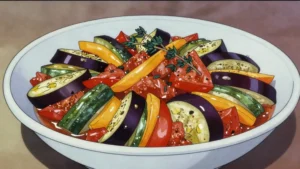 RatatouilleProvençal stew of aubergine, courgette, peppers, and tomato.
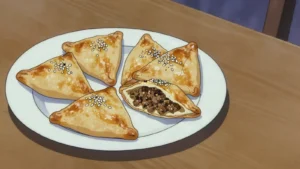 SomsaTriangular pastries of minced mutton and onion baked in a tandyr.
 Zereshk polobarberry-jeweled saffron rice served with chicken
 Avelukwild mountain sorrel dried in braids, cooked with walnuts, onion and lentils
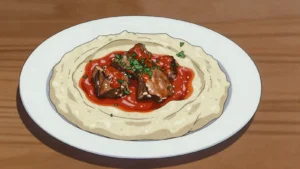 Hunkar begendilamb stew spooned over smoky aubergine béchamel
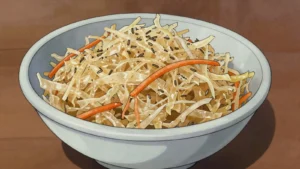 Kvashanaya kapustacabbage salted and fermented in barrels for the winter
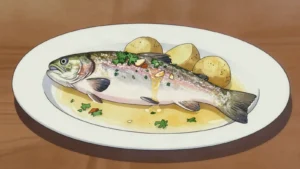 Trout in Riesling sauceMoselle trout poached in creamy Riesling sauce.
Black pepper is tagged on 1,888 dishes from 196 countries in the atlas. These notes are written from general knowledge and carry no per-fact citation — see About.