
Ingredients
Base
- 250 gplain flour
- 150 gcold butter
- 80 gicing sugar
- 2egg yolks
- 1 tspbaking powder
- a pinch of salt
Filling
- 1 kgtwaróg, dry Polish curd cheese
- 200 gsugar
- 5eggs, separated
- 150 gbutter, softened
- 3 tbsppotato starch
- 1 tspvanilla
- grated zest of 1 lemon
Optional
- 100 graisins soaked in rum
- candied orange peel
To finish
- icing sugar
- or a lattice of the pastry
Equipment
- a mincer or fine sieve
- a 24 cm springform tin
Directions
- Put it through a mincer twice, or push it through a fine sieve, or blend it thoroughly. If the twaróg is very wet, hang it in muslin for a few hours first. Rub the cold butter into the flour, icing sugar, baking powder and salt. Handle it as little as possible, because a worked pastry goes tough and this is meant to be short and crumbly.
- Wrap it and chill it 30 minutes. Press two-thirds of it into the base of the tin and prick it with a fork. Blind bake it at 180°C for 15 minutes until pale gold, then cool it.
- Keep the remaining third for a lattice if you want one. Now cream the softened butter with the sugar until pale and light. Add the yolks one at a time, beating well between each. Add them one at a time. Tipped in together the mixture splits and never fully comes back.
- Beat in the ground twaróg a spoonful at a time until completely smooth. Add the potato starch, vanilla and lemon zest. Now whisk the egg whites to firm peaks and fold them in gently.
- Fold the whites in last and gently, which is what lifts the dense curd into something lighter. Stir in the soaked raisins if using. Pour the filling onto the cooled base and level it.
- Lay a lattice of the reserved pastry over if you want the Krakowski style. Now bake at 160°C (320°F) for about an hour. Bake it low and slow. A hot oven puffs the cake up and it cracks straight across the middle as it falls.
- Take it out while the middle wobbles, because it firms as it cools and a fully set cake in the oven is a dry one. Now turn the oven off, prop the door open with a spoon, and leave the cake inside for an hour. Dust with icing sugar and serve it cold, in slabs.
Technique
- Sernik krakowski has the pastry lattice; sernik wiedeński is richer and smoother.
- Ready-ground twaróg, sold as sernik-ready, saves the mincing.
- It keeps five days refrigerated and freezes well.
Substitutions
- Dry-pressed cottage cheese or farmer’s cheese, sieved thoroughly.
- Ricotta drained overnight, which is not the same but is the nearest widely available thing.
Variations
- Sernik krakowski, with a pastry lattice.
- With a chocolate glaze.
- Baked without a base, which is common.
History
A cheesecake made from twaróg, a specific fresh, dry Polish curd cheese rather than the cream cheese more commonly used in American-style cheesecake, documented in Polish baking for generations and considered one of the country’s most essential and widely made traditional desserts. Twaróg‘s drier, more crumbly texture compared to cream cheese gives Polish sernik a notably different, somewhat denser consistency than cheesecakes made with softer cheese, and Polish bakers and home cooks maintain genuine regional and family variations in exact texture, from a firmer, more classic style to lighter, airier modern versions using whipped egg white. Sernik remains a fixture of Polish home baking and bakery counters alike, made for both everyday enjoyment and specific holiday and celebration occasions.
Frequently asked questions
What is Sernik?
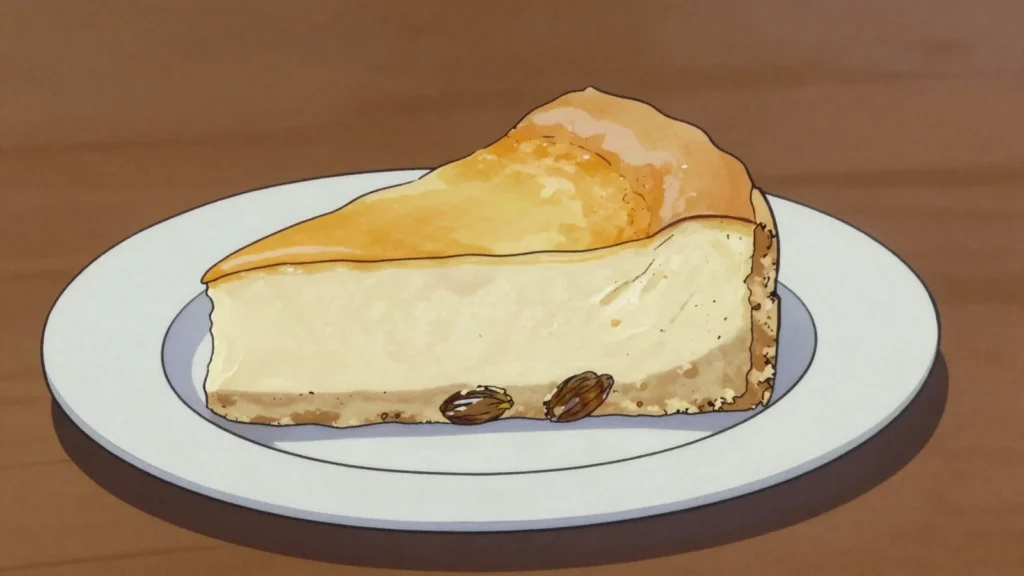
Sernik is a dessert from Poland: velvety baked cheesecake of twaróg curd, sometimes raisins. A cheesecake made from twaróg, a specific fresh, dry Polish curd cheese rather than the cream cheese more commonly used in American-style cheesecake, documented in Polish baking for generations and considered one of the country’s most essential and widely made traditional desserts. Twaróg’s drier, more crumbly texture compared to cream cheese gives Polish sernik a notably different, somewhat denser consistency than cheesecakes made with softer cheese, and Polish bakers and home cooks maintain genuine regional and family variations in exact texture, from a firmer, more classic style to lighter, airier modern versions using whipped egg white. Sernik remains a fixture of Polish home baking and bakery counters alike, made for both everyday enjoyment and specific holiday and celebration occasions.
How long does Sernik take to make?
Sernik takes 40 min of preparation and 1 hr 15 min of cooking. The recipe makes 12 servings. It is rated medium to make.
What can I substitute in Sernik?
Yes, within limits. Dry-pressed cottage cheese or farmer’s cheese, sieved thoroughly. Ricotta drained overnight, which is not the same but is the nearest widely available thing.
What is the most important thing to get right in Sernik?
Keep the remaining third for a lattice if you want one. Now cream the softened butter with the sugar until pale and light. Add the yolks one at a time, beating well between each. Add them one at a time. Tipped in together the mixture splits and never fully comes back.