Wheat ground to a powder — the most used ingredient in the world’s kitchens after water and salt — sold by how much protein it carries and how finely it is milled, which between them decide whether it makes a tender cake, a chewy bread, a silky pasta or a flaky pastry.
Where it comes from
Wheat was domesticated in the Fertile Crescent ten thousand years ago and ground between stones from the start; roller milling in the nineteenth century made white flour cheap by stripping the bran and germ and leaving the starchy endosperm, and the world’s bread, pasta and pastry are built on the result. The whole grain is still milled for wholemeal flour, and the bran and germ that white flour loses are where most of the fibre, oil and flavour are — and why wholemeal goes rancid and white keeps.
The single number that matters is protein, because wheat protein becomes gluten when wet and worked, and gluten is what gives dough its stretch and strength. Low-protein soft wheat (8–10%) makes tender cakes and biscuits; high-protein hard wheat (12–14%) makes chewy, well-risen bread; all-purpose or plain flour sits between and does both adequately. Italian ’00’ refers to fineness of milling, not strength; French T45 and T55 refer to ash content, roughly how white the flour is. Durum wheat, the hardest, is milled to semolina for pasta and has its own page.
Varieties
- Plain / all-purpose flour — Around 10–11% protein; the everyday flour for sauces, batters, biscuits, quick breads and most home baking.
- Strong / bread flour — 12–14% protein, from hard wheat; for yeasted bread, pizza and anything that must rise and hold.
- Cake and pastry flour — 8–9% protein, finely milled, often bleached; for tender sponges and shortcrust.
- Self-raising flour — Plain flour with baking powder and salt added; a British and Australian convenience for scones and cakes.
- Wholemeal / whole wheat — The whole grain ground; nuttier, heavier, thirstier, and it goes stale faster.
- Italian 00 and Manitoba — 00 is the finest grind, in soft (for pasta) and strong (for pizza) versions; Manitoba is very high-protein Canadian wheat for long-fermented doughs.
In the kitchen
Match the flour to the job. Bread wants strong flour and long kneading or fermentation to develop the gluten; pastry and cakes want soft flour and the least handling possible, so the gluten stays undeveloped and the crumb tender. Where a recipe gives a weight, weigh — a cup of flour varies by a third depending on how it is scooped.
For a roux or a thickened sauce, cook the flour in the fat for a minute or two first to lose its raw taste; for a batter, rest it half an hour so the starch swells. Sift only when the recipe needs air folded in. Toasting flour in a dry pan until it smells nutty, as Mexican cooks do for atole and West Africans for some porridges, changes it entirely.
Choosing and keeping
White flour keeps a year or more in a sealed container in a cool dry cupboard; wholemeal, with its oils, goes stale and then rancid within a few months and is better kept in the fridge or freezer. Flour that smells musty or has weevils — tiny beetles or webbing — is finished.
The protein content is on the label in most countries; where it is not, ‘strong’ or ‘bread’ means high and ‘cake’ or ‘pastry’ means low. Store away from anything strongly scented; flour absorbs smells.
Dishes with flour
 SpurgosCurd or yeast doughnuts fried and rolled in sugar
 Melktertsilky cinnamon-dusted milk custard tart
 Popeciveal rolls filled with cheese and pršut, breaded and fried
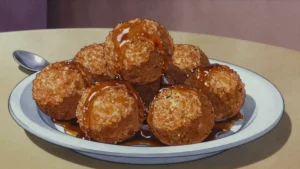 NuégadosFried yuca or corn fritters soaked in dark panela syrup
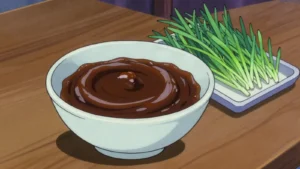 Semenisweet dark paste of sprouted wheat, cooked overnight for Nowruz
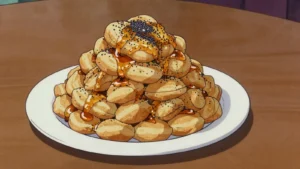 SkruzdėlynasAnthill cake of fried dough strips heaped with honey and poppy seeds.
 Pispilicornbread baked with leeks, spinach and fresh gjizë curd
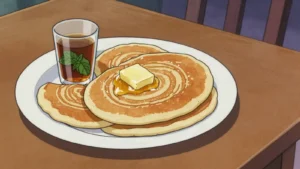 MelouiCoiled semolina pancake flattened and griddled in oil, eaten with honey or jam
Wheat flour is tagged on 1,094 dishes from 181 countries in the atlas. These notes are written from general knowledge and carry no per-fact citation — see About.