Milk with its water taken out and its proteins set — a preservation method that turned into the most varied family of foods there is.
Where it comes from
Cheese begins as a way to keep milk. Milk sours and spoils within a day; a hard cheese lasts years. Almost everything that distinguishes one cheese from another is a decision about how much water to remove and what is allowed to grow in what is left.
The setting is done with acid or with rennet, an enzyme originally from the stomach lining of a young ruminant. Most cheese now uses microbial or fermentation-produced rennet, which is also what makes vegetarian cheese possible.
Cheese traditions cluster where milk was plentiful and transport was hard: mountain valleys made large hard wheels that kept a winter, and lowlands with markets nearby made soft cheeses eaten within days.
Varieties
- Fresh — No ageing, high moisture. Ricotta, paneer, cottage, queso fresco, chhena. Days, not months.
- Soft-ripened — Ripened from the outside by a white mould. Brie, Camembert. Runny under the rind when ready.
- Washed-rind — Rind wiped with brine or spirit, encouraging bacteria that smell far stronger than the cheese tastes. Époisses, Taleggio, Munster.
- Blue — Penicillium moulds grown through the paste along channels pierced into it. Roquefort, Stilton, Gorgonzola.
- Semi-hard — Pressed, aged months. Cheddar, Gouda, Manchego, Cantal.
- Hard grating — Very low moisture, aged a year or more, crystalline. Parmigiano Reggiano, Pecorino Romano, aged Gouda.
- Pasta filata — Curd heated and stretched. Mozzarella, provolone, oaxaca, halloumi’s relatives.
- Brined — Kept in salt water. Feta, halloumi, sirene, and most of the Balkan and Levantine cheeses.
In the kitchen
Cheese splits in a sauce when its proteins tighten and squeeze the fat out. Low heat, off the boil, and adding it at the end are the practical answers; a starch — flour, cornflour — physically gets in the way and is why a béchamel-based sauce is stable and a bare one is not.
Young cheeses melt and stretch, old ones melt and go oily, and very fresh ones do not melt at all. Halloumi and paneer hold their shape in a pan because their proteins were set by acid or heat rather than left free to flow.
Take cheese out of the fridge an hour before eating. Cold flattens the aromatics that are most of what you are paying for.
Choosing and keeping
Wrap cheese in waxed paper, not cling film — it needs to breathe, and plastic makes the rind sweat and taste of plastic.
Surface mould on a hard cheese cuts away and the rest is fine. On a soft or fresh cheese, mould has gone through it and it is finished.
Dishes with cheese
 MedianocheSweeter egg-bread version of the Cuban sandwich
 BougatsaThessaloniki phyllo with custard or cheese, dusted with sugar
 Kačamakpotato-cornmeal porridge beaten with kajmak and cheese
 Bourekia tis anarisFried pastry parcels of sweet anari cheese, dusted with sugar and cinnamon.
 Squacqueronevery soft, tangy fresh cow's cheese spread on warm piadina
 ReggianitoHard salty grating cheese, shaved over pasta and into ñoquis
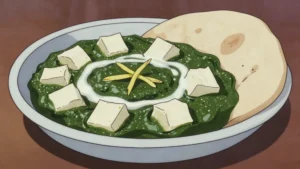 Palak PaneerFresh cheese cubes in pureed spinach gravy
 Cuajada con melaoFresh curd cheese under warm panela syrup, eaten with a spoon
Cheese is tagged on 474 dishes from 112 countries in the atlas. These notes are written from general knowledge and carry no per-fact citation — see About.