The seed pod of an orchid that has to be pollinated by hand outside its native Mexico, and then cured for months — the second most expensive spice after saffron.
Where it comes from
Vanilla planifolia is a climbing orchid from Mexico and Central America, where it is pollinated by specific native bees. Everywhere else it must be pollinated by hand, flower by flower, in a window of a few hours — a technique worked out by Edmond Albius, an enslaved twelve-year-old on Réunion, in 1841. That single discovery is why vanilla could be grown commercially at all.
The green pod has no smell. The vanilla aroma is created by curing — killing, sweating, drying and conditioning over several months — during which enzymes release vanillin and hundreds of other compounds. Most vanilla now comes from Madagascar, and prices swing violently with its cyclones.
Varieties
- Madagascar / Bourbon — The standard. Rich, creamy, straightforwardly vanilla.
- Mexican — The original. More spiced, with a faint clove note.
- Tahitian — A different species. Floral, fruity, less vanillin — better uncooked.
- Vanilla extract — Beans macerated in alcohol and water. Real extract carries the full range of compounds.
- Vanilla paste — Extract with seeds and a thickener. Convenient, and the seeds are visible.
- Synthetic vanillin — One compound out of several hundred. Adequate in a strongly flavoured bake, obvious in a custard.
In the kitchen
Both parts of the pod matter. The seeds are visible and mildly flavoured; the pod itself carries far more aroma, which is why a scraped pod should go into the milk and be infused rather than thrown away.
Vanilla is volatile and long baking drives much of it off. In a custard or ice cream it goes in with the hot liquid and is left to infuse off the heat.
A spent pod, dried, still perfumes sugar for months.
Dishes with vanilla
 Vana TallinnSweet dark rum liqueur with citrus and vanilla, poured into coffee.
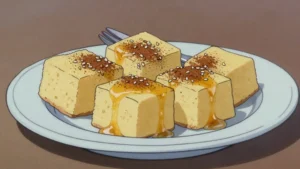 Torta de yemaEgg-yolk sponge soaked in sweet syrup, eaten in small squares
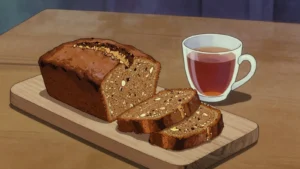 NthochiDense banana bread made with overripe bananas and groundnuts
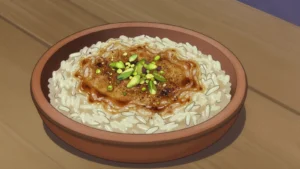 Sutlacbaked rice pudding with caramelised top
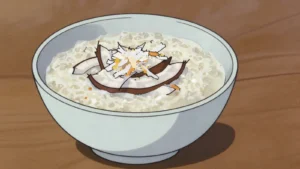 VaisaloThick coconut porridge with young coconut flesh and starch; served warm.
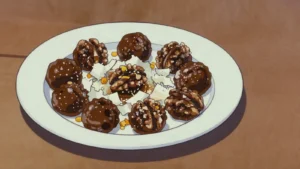 ToolumSticky balls of molasses, grated coconut and orange peel
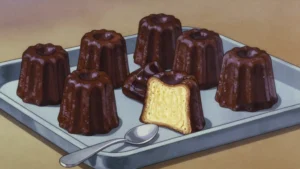 CaneléSmall fluted rum and vanilla custard cake with a dark caramelised shell
 Tufahijapoached apple stuffed with walnuts, topped with whipped cream
Vanilla is tagged on 447 dishes from 150 countries in the atlas. These notes are written from general knowledge and carry no per-fact citation — see About.