The rich yellow centre of the egg — fat, protein and the emulsifier lecithin — that thickens custards, binds mayonnaise and hollandaise, enriches pasta dough and glazes pastry: the cook’s most useful single ingredient after salt.
Where it comes from
Cooks separated eggs long before anyone knew why it worked. The white is almost pure protein and water and sets firm and dry; the yolk is a third fat, carries lecithin that holds oil and water together, and sets soft and creamy, thickening a liquid at around 65–70°C without curdling it until well above that. That difference is the whole of custard-making, of the great French sauces, of carbonara and of the egg-yolk pasta of Emilia.
Whole cuisines lean on the yolk: Italian pasta dough and zabaglione; French crème anglaise, sabayon, hollandaise and mayonnaise; Portuguese convent sweets — pastéis de nata, ovos moles — invented to use yolks left over when whites went to starch clothes; the Japanese tamago and the raw yolk over rice; the Spanish crema catalana and tocino de cielo. The colour of a yolk comes from the hen’s diet and says nothing about nutrition — deep orange is often the result of marigold in the feed.
Varieties
- Hen’s egg yolk — The standard. Roughly 18 grams each in a large egg; two yolks thicken 250 ml of custard.
- Duck egg yolk — Larger, richer, higher in fat; prized for pasta, custards and baking in Britain and China.
- Salted duck yolk — Cured in brine or salted ash until firm and orange; grated over congee and baked into Chinese pastries and mooncakes.
- Cured yolk — Buried in salt and sugar for days, then dried until firm; grated like a hard cheese over pasta and vegetables.
- Pasteurised yolk — Liquid or frozen, for commercial mayonnaise and ice cream; safe raw.
In the kitchen
Temper, do not shock: whisk hot liquid into yolks a little at a time, or yolks into liquid off the heat, then return to gentle heat and stir until it thickens — about 80°C for a custard, less for a sauce. Boil it and it scrambles. A spoon of cornflour or a little sugar in the yolks buys some protection. For mayonnaise, whisk oil into yolks drop by drop at first; one yolk holds about 150 ml of oil.
Beaten with a splash of milk or water, a yolk glazes pastry gold. Kneaded into flour it makes a golden, silky pasta. Stirred with cheese and pepper into hot spaghetti off the heat — never on it — it is carbonara. Spare yolks freeze poorly unless beaten with a little sugar or salt first.
Choosing and keeping
Fresh eggs have firm, domed yolks that sit high in a thick white; a flat, spreading yolk is an old egg. Separated yolks keep a day or two in the fridge under a film of water or covered tightly against the air, which skins them.
For anything served raw or barely cooked — mayonnaise, mousse, tiramisu — use the freshest eggs from a trusted source, or pasteurised yolk. Cured and salted yolks keep for weeks.
Dishes with egg yolk
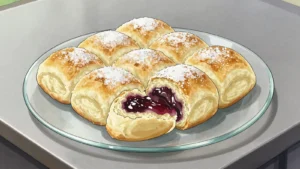 BuchtelnSoft yeast buns baked together and filled with plum jam.
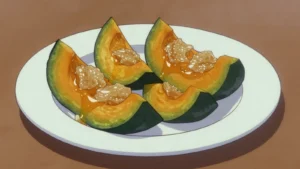 Sangkhaya Fak ThongPandan-coconut custard steamed inside a whole small pumpkin, then sliced
 ŽagarėliaiThin twisted ribbons of fried dough dusted with icing sugar.
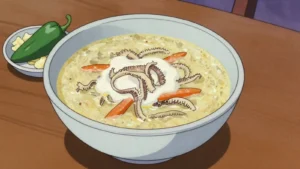 Ciorbă de burtăsour tripe soup with garlic, vinegar, cream
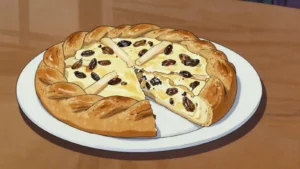 PascaSweet Easter bread with a braided rim holding sweetened cheese and raisins.
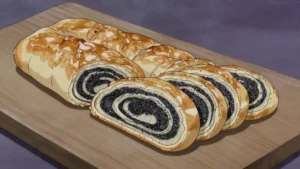 BejgliRolled pastry log filled with dense poppy seed or walnut paste.
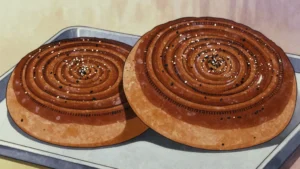 RohtSweet cardamom bread stamped with patterns, baked for births and Nowruz
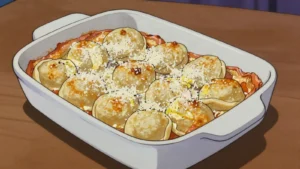 Gnocchi alla romanabaked semolina rounds with butter and Parmesan
Egg yolk is tagged on 246 dishes from 95 countries in the atlas. These notes are written from general knowledge and carry no per-fact citation — see About.