Distilled alcohol as an ingredient — rum in a Caribbean cake and a Bananas Foster, brandy in a flambé and a Christmas pudding, whisky in a Cranachan, kirsch in a fondue, vodka in a tomato sauce — and the aniseed spirits, arak, raki, ouzo and pastis, of the eastern Mediterranean table.
Where it comes from
Distilling arrived in European kitchens through Arab alchemy and medieval monasteries, and spirits went into food almost as soon as into glasses: brandy preserved fruit and enriched pâtés, rum soaked the cakes of the sugar colonies, kirsch and eau-de-vie flavoured the pastries of Alsace and Switzerland, and whisky went into Scotland’s puddings and Ireland’s coffee. Each region cooks with the spirit it distils — rum in the Caribbean and Brazil (cachaça), pisco in Peru and Chile, tequila and mezcal in Mexico, grappa in Italy, slivovitz in the Balkans, sake and shochu in Japan.
In cooking, a spirit does three things. Its alcohol carries and dissolves flavour compounds that water cannot, which is why a splash of brandy makes a pan sauce taste deeper and a spoon of vodka makes a tomato sauce taste more of tomato; it preserves, which is why fruit steeped in rum or brandy keeps for years; and, set alight in a flambé, it burns off dramatically while caramelising the sugars beneath. Most of the alcohol cooks away in a long braise; in a quick flambé or an uncooked dessert, most of it stays.
Varieties
- Rum (dark, golden, white) — Caribbean and Brazilian sugar-cane spirit; dark rum in black cake, rum baba, Bananas Foster and glazes; white in ceviche-style marinades and drinks.
- Brandy and Cognac — Grape spirit; for flambé, pâtés, pan sauces (steak Diane), Christmas pudding and preserved fruit.
- Whisky and bourbon — Grain spirit; Scotch in Cranachan and Atholl brose, bourbon in pecan pie, barbecue sauce and bread pudding.
- Kirsch, eau-de-vie, grappa — Fruit and pomace spirits; kirsch in cheese fondue and Black Forest gateau, grappa and eau-de-vie in Alsatian and Italian sweets.
- Anise spirits (arak, raki, ouzo, pastis, sambuca) — Aniseed-flavoured, clouding with water; served at the table with meze and used to flavour seafood, marinades and sweets.
- Vodka, gin, tequila, mezcal, pisco, cachaça — Neutral vodka for pasta sauce and pastry crusts; gin with juniper for game; agave spirits in Mexican marinades; pisco and cachaça in Andean and Brazilian desserts.
In the kitchen
To flambé, warm the spirit, pour it into the hot pan away from the heat, tilt toward the flame or light it with a long match, and let it burn out — it takes seconds and leaves caramelised sugars and a rounded, less raw spirit flavour. Never pour from the bottle into a flame. For a pan sauce, add a splash after browning and let it reduce almost away before the stock and cream.
Rum, brandy and whisky in a dessert are usually raw and should be measured — a tablespoon or two in a cream, a custard or a syrup; more in a soaked cake. Dried fruit steeped in rum or brandy for weeks is the base of Caribbean black cake and Christmas pudding. Vodka in a pastry crust evaporates in the oven and leaves a flakier result than water. Anise spirits are splashed over grilled fish and prawns or added to a fish stew at the end.
Choosing and keeping
Spirits keep indefinitely unopened and for years opened, slowly losing aroma; fruit steeped in spirit keeps for years too. Keep a dark rum, a brandy and a whisky for the kitchen, and buy the rest as recipes need them.
A cheap spirit is fine for a long braise or a flambé; for a dessert where the spirit is tasted raw, use one you would drink. Alcohol in food does not fully cook off — a flambé leaves most of it — which matters for children and those who avoid it.
Dishes with spirits
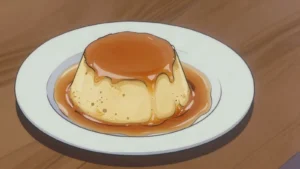 QuesilloCaramel flan made with condensed milk and whole eggs
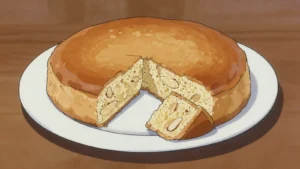 Kotorska tortaRich almond and citrus cake from the Bay of Kotor, served in thin slices.
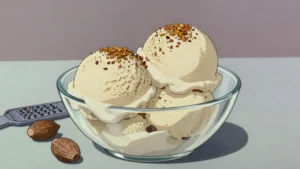 Nutmeg ice creamSpice Isle ice cream perfumed with fresh nutmeg
 BatidaCachaça shaken with fruit juice, sugar and often condensed milk
 LonkeroLong drink of gin and grapefruit soda, sold ready-mixed in cans.
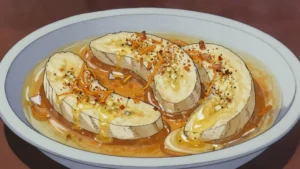 AkwaduBaked banana with coconut and citrus
 Kyuftapounded beef whipped smooth, boiled and sliced with butter
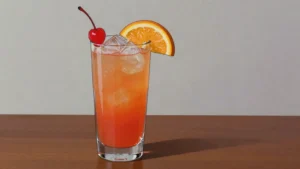 Weng WengSeveral white and dark spirits mixed with orange juice and grenadine
Spirits in the kitchen is tagged on 327 dishes from 98 countries in the atlas. These notes are written from general knowledge and carry no per-fact citation — see About.