Grapes dried in the sun until their sugar concentrates — the oldest way of keeping fruit — and the sweet, chewy studding of breads, pilafs, tagines, puddings and stuffings from Persia to Yorkshire.
Where it comes from
Drying grapes is as old as growing them; the Egyptians, Greeks and Romans all did it, and dried grapes were a trade good across the ancient Mediterranean. The word raisin is simply French for grape. The English distinguished three kinds by their ports of origin — raisins from Málaga, currants from Corinth and sultanas from the Ottoman sultan’s Smyrna — and the names stuck long after the trade moved on. California, Turkey, Iran and Greece are the main producers now.
Which grape and how it is dried decides the fruit. Raisins are dark, from red or black grapes dried three weeks in the sun; sultanas are golden, from the green Thompson Seedless, often treated to keep them pale; currants are tiny, dark and intense, from the small Black Corinth grape and nothing to do with the garden currant bush. Persian and Middle Eastern cooking uses all three in savoury dishes — in rice, with lamb, in stuffings — where northern Europe kept them mostly for baking.
Varieties
- Raisin — Dark brown, sun-dried from red grapes. Sweet, slightly winey; in fruit cakes, oatmeal, pilafs and Moroccan tagines.
- Sultana (golden raisin) — Pale gold, from seedless green grapes; softer and juicier. In scones, couscous and Persian rice.
- Currant (Zante currant) — Tiny, near-black, intensely flavoured. In Eccles cakes, spotted dick, Sicilian pasta and Greek stuffings.
- Muscat raisin — Large, dark, from the Muscat grape; deeply perfumed. A Spanish speciality, sometimes still on the stem.
- Flame raisin — Large, dark red seedless raisins from Flame grapes; plump and mild.
- Kishmish (green raisin) — Central Asian and Afghan pale green raisins, dried in the shade; in pulao and eaten with nuts.
In the kitchen
Plump them first for most cooked dishes: ten minutes in warm water, tea, juice, wine or spirits, drained, and they go into a cake, a pilaf or a stuffing soft rather than leathery. Straight from the packet they are fine in a slow braise, where they soften in the liquid and sweeten the sauce.
In savoury cooking they belong with pine nuts and spinach (Catalonia and Sicily), with lamb and almonds (Morocco), with onion in an agrodolce, with rice and saffron (Iran), and in a sauce for tongue or ham. Tossing them in a spoonful of the recipe’s flour stops them sinking to the bottom of a cake.
Choosing and keeping
Soft and plump, not hard, dry or sugary-crystallised. Kept in a sealed jar or bag away from heat they last a year; in the fridge, longer. Sugar crystals on the surface are harmless and dissolve when the fruit is soaked.
Sultanas and golden raisins are usually treated with sulphur dioxide to keep them pale; untreated ones darken to brown and taste the same. Currants are not interchangeable with raisins in a recipe that names them — their small size and intensity are the point.
Dishes with raisin
 Chakerysweet millet couscous stirred into yoghurt and soured cream
 Bun and cheeseSpiced Easter bun eaten with cheddar slices
 Morog PolaoCelebratory chicken pilaf, mild and aromatic
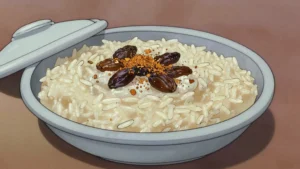 Nan mburuChilled rice pudding mixed with baobab juice and sweetened milk
 Fritulerum-scented mini doughnuts with raisins, festive treat
 Sahlabwarm thickened milk drink topped with cinnamon, coconut and nuts
 Socatăfizzy elderflower drink fermented for a few days in summer
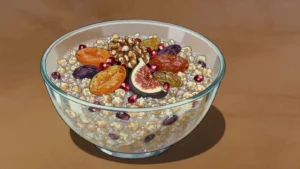 Asurepudding of grains, pulses, dried fruit and nuts, shared with neighbours
Raisins, sultanas and currants is tagged on 217 dishes from 119 countries in the atlas. These notes are written from general knowledge and carry no per-fact citation — see About.