The most versatile single ingredient in a kitchen — it thickens, sets, binds, emulsifies, leavens, clarifies and glazes, and it does each of those at a different temperature.
Where it comes from
Hens’ eggs dominate, but ducks’, quails’, geese and, in parts of Asia, century-preserved duck eggs all have their own uses. Duck eggs have more fat and protein in the yolk and make richer custards and better baking.
Shell colour is decided by the breed of hen and tells you nothing about flavour or nutrition. Yolk colour tracks what the bird ate — marigold, maize, grass — and is routinely managed with feed.
Varieties
- Hen — The default. Sized by weight, which matters in baking where recipes assume a medium.
- Duck — Bigger yolk, more fat, more protein. Richer custards, superior cakes, and firmer whites.
- Quail — Small and mild, mostly used whole and boiled.
- Century / preserved duck egg — Cured in alkaline clay for weeks. Black translucent white, dark creamy yolk, strongly ammoniac.
- Salted duck egg — Brined whole. The yolk goes firm, orange and rich — the filling in mooncakes and countless rice dishes.
In the kitchen
White and yolk set at different temperatures — white from about 62°C, yolk from about 65°C — and every egg technique exploits that gap. It is why a poached egg can be firm outside and liquid inside, and why a slow-cooked egg held at 63°C comes out with a set yolk and a barely-set white, the reverse of normal.
Scrambled eggs turn to rubber and weep water because the protein has over-coagulated and squeezed the water out. Low heat and taking them off before they look done are the entire technique.
Yolk is an emulsifier because of its lecithin, which is what holds mayonnaise and hollandaise together. Whites whip because their proteins unfold and trap air — and any trace of fat, including a speck of yolk, prevents it.
Older eggs peel more easily after boiling and whip to a greater volume; very fresh eggs poach far more neatly. Freshness is not simply better.
Choosing and keeping
The float test works: an old egg has a larger air cell and floats. It is a staleness test, not a safety test.
Raw or lightly cooked egg carries a salmonella risk, small in countries that vaccinate flocks and real elsewhere. It matters most for the very young, the very old, pregnant people and anyone immunocompromised.
Dishes with egg
 NishaldaWhite foam of whipped egg white, sugar and liquorice root, eaten with bread.
 Mee GorengFried yellow noodles with soy, egg and vegetables
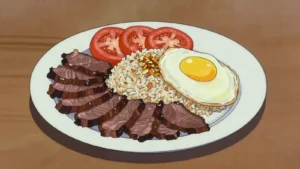 TapsilogCured beef tapa with garlic fried rice and runny egg
 Magiritsalamb offal and lettuce soup thickened with egg and lemon
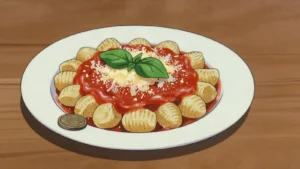 Ñoquis del 29Potato gnocchi eaten on the twenty-ninth with money under the plate
 Pao de loAiry egg sponge, often deliberately underbaked so the centre stays molten.
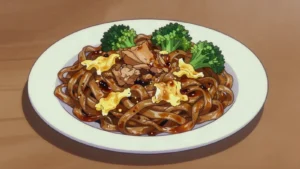 Pad See EwWide rice noodles charred with soy sauce, egg and Chinese broccoli
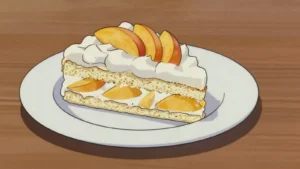 ChajáSponge, peaches, cream and crushed meringue; Paysandú creation
Egg is tagged on 489 dishes from 136 countries in the atlas. These notes are written from general knowledge and carry no per-fact citation — see About.