
Ingredients
Fresh fettuccine
- 300 gtipo 00 flour
- 3large eggs, plus 1 yolk
- A pinch of salt
- Semolina, for dusting
Sauce
- 150 gprosciutto crudo, sliced 3 mm thick and cut into short strips (never smoked)
- 1small onion (80 g), sliced paper-thin
- 60 gunsalted butter
- 3large egg yolks
- 1whole egg
- 80 gParmigiano Reggiano, finely grated
- 100 mldouble cream
- Freshly ground white pepper
- Salt, for the pasta water
Directions
- Mound the flour, make a well, add the eggs and yolk and the salt, and work them in with a fork before kneading 10 minutes to a smooth, firm dough. Wrap and rest 30 minutes.
- Roll the dough out to about 1 mm, either by machine to the second-thinnest setting or by hand with a long pin, then flour, fold and cut into 6 mm ribbons. Toss with semolina and leave in loose nests.
- Melt the butter in a wide pan over low heat and sweat the onion for 8–10 minutes until translucent and completely soft. It must not colour: papalina is a pale, delicate dish.
- Add the prosciutto strips and warm them through for 2 minutes only, until they turn opaque and the fat goes glassy. Prosciutto crudo toughens and turns salty if it fries.
- Beat the yolks, the whole egg, the cream, the Parmigiano and plenty of white pepper together in a bowl until smooth and pale.
- Boil the fettuccine in well-salted water for 2–3 minutes only, until the ribbons float and are tender with a faint bite. Reserve a cup of the water.
- Drain and tip the pasta into the pan with the butter, onion and prosciutto off the heat, and toss for 20 seconds to coat and cool the pan slightly.
- Pour in the egg mixture and toss continuously, returning the pan to the very lowest heat for no more than 30–45 seconds, loosening with splashes of pasta water until the sauce is a glossy, ivory cream that coats every ribbon.
- Serve at once in warmed bowls with more Parmigiano and white pepper. If the pan gets too hot the eggs scramble and the dish is lost.
Technique
- This is the Roman aristocratic answer to carbonara, created by the chef Cesare Simmi for Cardinal Eugenio Pacelli, later Pius XII, who wanted the flavours of carbonara in a gentler form.
- The three substitutions are deliberate: butter for the rendered fat, onion where carbonara has none, prosciutto crudo instead of guanciale, and white pepper instead of black.
- The sauce is set by residual heat. Anything above about 70°C (160°F) curdles the yolks, so work off the flame and use the pasta water to control the texture.
Substitutions
- No fresh pasta time? Use 400 g good dried egg fettuccine or tagliatelle, cooked one minute short of the packet time.
- Cream is used by many Roman kitchens for stability but some purists leave it out entirely; without it, add an extra yolk and be more careful with the heat.
Variations
- The cream-free version, made with five yolks and pasta water alone.
- With peas added in spring, folded in with the onion.
- Made with tagliolini rather than fettuccine, for a finer, silkier plate.
History
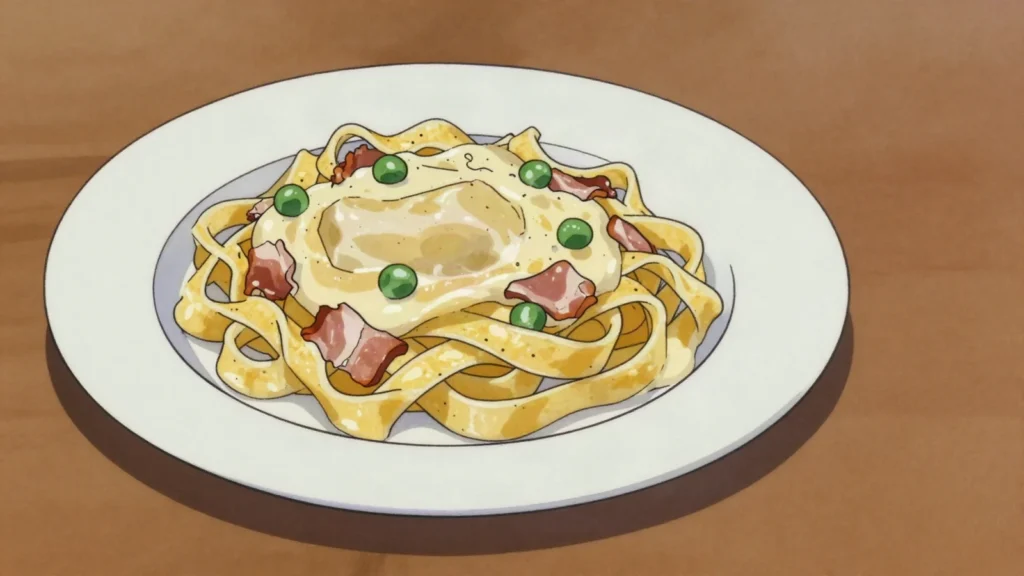
A pasta dish combining fettuccine noodles with a cream sauce, ham, peas and egg, developed within the Vatican and its surrounding Roman culinary sphere, its name meaning literally the pope’s fettuccine, reflecting its historic association with papal or Vatican kitchen cooking, generally understood as a somewhat more refined variation on the Roman carbonara and cacio e pepe pasta tradition, softened with cream and enriched with ham and peas rather than relying purely on egg, cheese and pepper. Its exact point of specific origin and connection to the papacy is not precisely documented, though the dish’s naming and its close relationship to Roman pasta cooking, given the Vatican’s complete geographic enclosure within Rome, are well established. It remains associated with Vatican and papal-adjacent culinary tradition specifically.
Frequently asked questions
What is Fettuccine alla papalina?
Fettuccine alla papalina is a main from Vatican City: silky egg-and-cream fettuccine with prosciutto, created for future Pius XII. A pasta dish combining fettuccine noodles with a cream sauce, ham, peas and egg, developed within the Vatican and its surrounding Roman culinary sphere, its name meaning literally the pope’s fettuccine, reflecting its historic association with papal or Vatican kitchen cooking, generally understood as a somewhat more refined variation on the Roman carbonara and cacio e pepe pasta tradition, softened with cream and enriched with ham and peas rather than relying purely on egg, cheese and pepper. Its exact point of specific origin and connection to the papacy is not precisely documented, though the dish’s naming and its close relationship to Roman pasta cooking, given the Vatican’s complete geographic enclosure within Rome, are well established. It remains associated with Vatican and papal-adjacent culinary tradition specifically.
How long does Fettuccine alla papalina take to make?
Fettuccine alla papalina takes 20 min of preparation and 20 min of cooking. The recipe makes 4 servings. It is rated medium to make.
What can I substitute in Fettuccine alla papalina?
Yes, within limits. No fresh pasta time? Use 400 g good dried egg fettuccine or tagliatelle, cooked one minute short of the packet time. Cream is used by many Roman kitchens for stability but some purists leave it out entirely; without it, add an extra yolk and be more careful with the heat.
What is the most important thing to get right in Fettuccine alla papalina?
Melt the butter in a wide pan over low heat and sweat the onion for 8–10 minutes until translucent and completely soft. It must not colour: papalina is a pale, delicate dish.