Durum wheat — the hardest wheat — coarsely milled into semolina, and the grains made from it: couscous, the rolled and steamed staple of North Africa; bulgur, the parboiled cracked wheat of the Levant and Turkey; and freekeh, the smoked green wheat of the same lands.
Where it comes from
Durum wheat is a separate species from bread wheat, higher in protein and gluten but of a kind that makes a firm, elastic dough rather than a stretchy, airy one — which is why it is the wheat of dried pasta, not bread. Milled coarse it is semolina, the golden, sandy grain of Italian pasta, of the Indian sooji and rava for upma and halwa, of the North African and Middle Eastern semolina cakes soaked in syrup (basbousa, namoura, harissa cake), and of the gnocchi alla romana of Rome.
Couscous is semolina moistened and rolled by hand into tiny pellets, dried, and then steamed over a stew in a couscoussier, three times, until light and separate — the Berber staple of Morocco, Algeria and Tunisia for a thousand years, and the base of the dish that shares its name. Bulgur is a different process: whole durum wheat parboiled, dried and cracked, so it needs only soaking or a brief simmer — the grain of tabbouleh, kibbeh and pilafs from Turkey to Iraq. Freekeh is durum harvested green, roasted over straw fires and cracked, with a smoky, grassy flavour.
Varieties
- Semolina (fine, medium, coarse) — Fine for pasta and cakes; coarse for gnocchi alla romana, upma and dusting a pizza peel.
- Couscous (fine, medium, coarse) — Moroccan fine and medium for the classic dish; Tunisian coarse. Most exported couscous is pre-steamed and needs only hot water.
- Israeli / pearl couscous (ptitim) — Large toasted pasta pellets, not true couscous; boiled like pasta.
- Bulgur (fine, medium, coarse) — Fine for tabbouleh and kibbeh, soaked only; coarse for pilafs and soups, simmered.
- Freekeh — Smoky green cracked wheat; cooked like bulgur or rice for pilafs and salads.
- Sooji / rava — Indian semolina; for upma, rava dosa, halwa and idli.
In the kitchen
Instant couscous: pour over an equal volume of boiling water or stock with a little salt and oil, cover five minutes, then fork through and rub with buttered fingers to separate the grains. Real couscous is steamed twice or three times over the stew, moistened and rubbed between steamings, and is far lighter. Serve under a stew of lamb or chicken and seven vegetables, or with harissa.
Fine bulgur for tabbouleh is soaked in a little water or the juice of the tomatoes for twenty minutes, not cooked; the salad is mostly parsley. Coarse bulgur is fried in butter with onion and simmered in stock like a pilaf, or cooked with tomato and pepper for Turkish bulgur pilavı. Semolina for gnocchi alla romana is cooked in milk to a thick paste, set, cut and baked with butter and cheese; for basbousa, mixed with yoghurt and sugar, baked, and soaked in syrup.
Choosing and keeping
All of these keep a year or more in a sealed container in a cool cupboard; bulgur and freekeh a little less, having some germ. Buy couscous from North African shops for quality and the right grade, bulgur from Turkish and Middle Eastern shops labelled by fineness.
Cooked couscous and bulgur keep three days refrigerated and reheat with a splash of water. Semolina for pasta should be labelled ‘semola rimacinata di grano duro’ — twice-milled — for the smoothest dough.
Dishes with semolina
 Makroudsemolina diamonds stuffed with date paste, fried and dipped in honey
 Hurmašicedate-shaped cookies soaked in lemon syrup
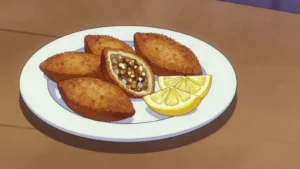 Icli koftebulgur shell stuffed with minced meat, onion and walnuts, then fried
 Salgam suyusour purple juice of fermented turnip and black carrot, mildly spicy
 Usbancasings stuffed with rice, herbs and offal, steamed or simmered; festive dish
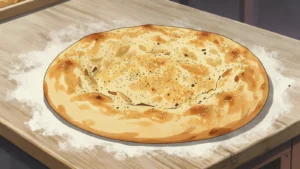 Khobz darhomestyle round semolina house bread topped with sesame
 SarkeljRing-shaped yeast cake with nuts or raisins, baked in a fluted mould.
 Colțunașiboiled dumplings filled with cheese, potato or cherries
Semolina, couscous and bulgur is tagged on 155 dishes from 63 countries in the atlas. These notes are written from general knowledge and carry no per-fact citation — see About.