Ingredients
The chicken
- 1.5 kgchicken pieces
- on the bone
- juice of 2 limes
- or sour orange
- salt and pepper
The sofrito
- 1onion, chopped
- 1green pepper, chopped
- 4garlic cloves, crushed
- 3spring onions, chopped
- a bunch of coriander
- 1 teaspoondried oregano
- 2 tablespoonstomato paste
The caramel base
- 3 tablespoonsoil
- 2 tablespoonsbrown sugar
- or white sugar
The pot
- 2potatoes, cut in chunks
- 1carrot, sliced
- green olives, optional
- about 400 ml water
- 1stock cube
- salt
Directions
- Stand well back as you add it. Add the pieces gently rather than dropping them. Chicken must be cooked right through. Check it rather than guessing. Wash hands after handling raw chicken. Wash boards and knives as well. Do not let raw juices touch other food. Rub the chicken with lime juice. Rinse the chicken after if you like. Season it with salt and pepper.
- Add some of the sofrito to it. An hour is a good minimum here. Blend the onion, pepper and garlic. Add the spring onion and coriander. Add the oregano to them as well. Blend it down to a coarse paste. Heat the oil in a heavy deep pot.
- Add the sugar into the hot oil. The oil should be hot before the sugar. Heat the oil first for a minute. That takes only a minute or two. Add the chicken at deep amber. Do not wait for it to go black. Add the chicken pieces to the caramel. Stand well back as you add it. Use tongs rather than your hands. Turn the pieces to coat them well.
- Let them brown on all of their sides. Give them about eight minutes. Work in batches if the pot is full. Add all of the sofrito to the pot. Cook it for about five minutes. The sofrito should soften and darken. Stir it through all of the chicken. Add the tomato paste to the pot.
- Cook it for two more full minutes. Two minutes is quite enough for it. Add the water and the stock cube. Season the whole pot with salt. This is a thick stew rather than a soup.
- Add enough to come partway up. It should not cover the chicken. Add more later on if it dries out. Bring it up to a gentle simmer. Cover it and then let it cook. Give it about thirty full minutes. Add the potato and the carrot. Twenty minutes of cooking suits them.
- Stir in green olives near the end. Add them in the last ten minutes. Taste before adding more salt. Judging the chicken takes a check. Take the lid off near the end.
- Let the sauce reduce and thicken. It should be thick and clinging. Reduce it further if it is loose. Taste the sauce and adjust the salt. It should be deeply savoury indeed. Adjust the salt to lift the whole thing. Serving it is always done hot. Spoon it out over plain white rice. Serve beans alongside if you like. It keeps three days refrigerated.
Technique
- Sugar caramelised in hot oil is the base of the whole stew, and the window is narrow: it dissolves, bubbles, turns amber, then darkens toward mahogany in only a minute or two. Add the chicken at deep amber rather than waiting, since it keeps darkening as you work — and if it goes black, start again, because burnt sugar turns the whole stew bitter beyond fixing.
- Caramelising sugar is far hotter than boiling water, sticks to skin and burns badly, so never touch or taste it hot. Adding chicken to hot caramel spits as the moisture hits it, so stand well back and lower the pieces in gently with tongs.
- Chicken must be cooked right through: check the thickest part for seventy-five degrees avoiding the bone, or look for meat pulling from the bone and entirely clear juices. Wash hands, boards and knives after handling it raw.
Substitutions
- Sour orange stands in for lime; rubbing the chicken with citrus is standard Dominican practice and also seasons and firms the flesh.
- Blend the sofrito to a coarse paste or chop everything very finely — both are genuinely done, and it is often made in batches and kept to save time.
Variations
- The caramel gives colour rather than sweetness and the finished stew does not taste sweet at all.
- Add the potato and carrot partway through rather than at the start, where they turn to mush; about twenty minutes of cooking suits them.
- Rice, beans and stewed meat together is the standard Dominican plate, called la bandera — the flag — and eaten at everyday lunch.
History
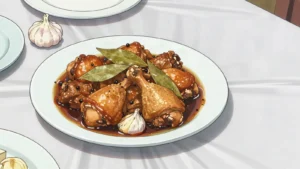
Chicken braised in sofrito with a caramelised sugar base, the most common Dominican main dish.
Frequently asked questions
What is Pollo guisado?
Pollo guisado is a main from Dominican Republic: chicken braised with sofrito, an everyday stew. Chicken braised in sofrito with a caramelised sugar base, the most common Dominican main dish.
How long does Pollo guisado take to make?
Pollo guisado takes 30 minutes plus marinating of preparation and 1 hour of cooking. The recipe makes serves 6. It is rated medium to make.
What can I substitute in Pollo guisado?
Yes, within limits. Sour orange stands in for lime; rubbing the chicken with citrus is standard Dominican practice and also seasons and firms the flesh. Blend the sofrito to a coarse paste or chop everything very finely — both are genuinely done, and it is often made in batches and kept to save time.
What is the most important thing to get right in Pollo guisado?
Stand well back as you add it. Add the pieces gently rather than dropping them. Chicken must be cooked right through. Check it rather than guessing. Wash hands after handling raw chicken. Wash boards and knives as well. Do not let raw juices touch other food. Rub the chicken with lime juice. Rinse the chicken after if you like. Season it with salt and pepper.