The unripe olive, picked firm and cured in brine or lye — crisp-fleshed, grassy, sharper and saltier than a black olive, and the one that is stuffed, cracked, marinated and put out with drinks.
Where it comes from
Green olives are harvested early, in autumn, while the fruit is full-sized but still hard and pale. They have less oil and more bitterness than ripe olives and need a longer or stronger cure; the Spanish method uses a brief lye bath followed by brine fermentation, which gives the firm, clean-tasting olive of Seville and the tapas bar, while the Greek and Middle Eastern method cracks or slits the fruit and ferments it slowly in brine alone.
Spain is the largest producer and the source of most stuffed olives — the Manzanilla and Gordal of Andalusia, pitted and filled with pimiento, anchovy, almond or garlic. Italy’s Castelvetrano from Sicily is buttery and mild, cured with very little bitterness left; the Levant and Turkey favour cracked green olives marinated with lemon, garlic, chilli and herbs, eaten with bread at breakfast.
Varieties
- Manzanilla — The Spanish standard: small, firm, slightly bitter, brine-cured. The olive in a martini and in most jars of stuffed olives.
- Gordal — ‘The fat one’ — very large, meaty, mild Spanish olive from Seville, often stuffed or served whole.
- Castelvetrano (Nocellara del Belice) — Bright green, plump, buttery and mild, from western Sicily. The gentlest green olive; eaten by the handful.
- Picholine — The slim, crisp, slightly nutty green olive of southern France; brine-cured and often marinated with herbs.
- Cracked green (Lebanese, Turkish çizik) — Slit or cracked before curing so the brine penetrates; marinated with lemon, garlic and chilli. Firm and sharp.
- Lucques — A crescent-shaped, crisp, mild olive from Languedoc, eaten young.
In the kitchen
Green olives hold their shape and bite in cooking better than black ones, which is why they go into tagines, braised chicken and the Sicilian caponata — added in the last twenty minutes so they warm through without collapsing.
Stuffed and marinated green olives are for the table, not the pan; their fillings fall out and their marinades burn. For cooking, plain brine-cured olives with the stone in are best, pitted at the last minute.
Choosing and keeping
A good green olive is firm and squeaks slightly against the teeth; soft or mushy green olives are over-cured or old. Colour should be a natural yellow-green — a vivid emerald in a jar often means a colour-fixing additive.
Kept under their brine in the fridge they last for months. Marinated olives in oil keep a few weeks; the garlic in them is the first thing to spoil.
Dishes with green olive
 Locrio de polloOne-pot seasoned rice and chicken, Dominican 'paella'
 Chipa so’oCorn cake stuffed with seasoned minced beef and egg
 PastelCrackly fried pastry envelopes of cheese or beef, with sugarcane juice
 FiambreVast chilled salad of meats and pickled vegetables for Day of the Dead
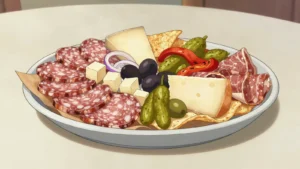 PicadaBoard of salami, cheese, olives and crisps shared before dinner
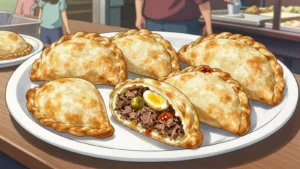 EmpanadasProvincial turnovers of hand-cut beef, olive and egg; Salta's are famed
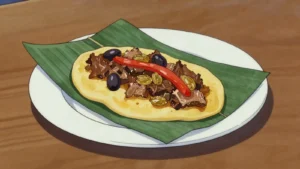 HallacaChristmas corn-dough parcels of beef, pork, olives, raisins in banana leaves
 Sherryfortified Andalusian wine aged in solera, from dry fino to sweet PX
Green olive is tagged on 40 dishes from 27 countries in the atlas. These notes are written from general knowledge and carry no per-fact citation — see About.