Sugars that keep some or all of their cane’s molasses — soft brown, muscovado, demerara, and the whole unrefined block sugars of the tropics: jaggery, panela, piloncillo, palm sugar, gur — sweeter-tasting than white, with caramel, toffee and mineral notes that white sugar has had refined out.
Where it comes from
All cane sugar starts brown. Cane juice boiled down and left to set gives a dark, sticky, intensely flavoured block — the jaggery and gur of India, the panela and piloncillo of Latin America, the rapadura of Brazil, the kokuto of Okinawa — and this was sugar for most of history and still is across the tropics. Refining strips the molasses out to make white sugar; brown sugars are either white sugar with molasses added back (most soft brown and demerara) or partially refined cane sugar that keeps its own (muscovado, turbinado).
Palm sugar is a different tree: the sap of coconut, date, palmyra or sugar palms tapped from the flower stalk, boiled down and set into discs and cakes — the gula melaka of Malaysia, the gula jawa of Indonesia, the nam tan pip of Thailand, the jaggery of southern India and Sri Lanka — with a smoky, caramel, faintly savoury depth that makes it the sweetener of Southeast Asian sauces and desserts. The two families are used interchangeably in a pinch and are not the same.
Varieties
- Light and dark soft brown sugar — Fine, moist, white sugar with molasses added back; light for cookies and cakes, dark for gingerbread and barbecue sauce.
- Muscovado — Unrefined cane sugar, dark, damp and strongly flavoured; for sticky toffee pudding, dark fruit cakes and coffee.
- Demerara and turbinado — Large, dry, golden crystals with a little molasses; for crunchy toppings, coffee and crème brûlée crusts.
- Jaggery, gur, panela, piloncillo, rapadura — Whole unrefined cane sugar in blocks or cones; grated or dissolved. For Indian sweets and chai, Latin American drinks and desserts.
- Palm sugar (gula melaka, gula jawa, nam tan pip) — Boiled palm sap in discs or tubs; smoky and caramel. For Thai and Malay sauces, curries and desserts.
- Coconut sugar — Palm sugar from coconut palm sap, granulated; mild and caramel-like.
In the kitchen
Soft brown sugar in a cookie or cake gives a moister, chewier result than white because of the molasses’ moisture and acidity; dark brown gives more so. It pairs with butter, vanilla, cinnamon, ginger and oats — the flavours of gingerbread and flapjack. Muscovado makes a toffee sauce with butter and cream in five minutes. Demerara does not dissolve fast, which is the point on a crumble top or a brûlée.
Block sugars are grated, shaved or chopped, then dissolved in a little hot water or melted in the pan. Palm sugar goes into a Thai dressing with lime and fish sauce, into a rendang, into sticky rice with coconut; piloncillo simmers with cinnamon into the syrup for Mexican café de olla and capirotada; jaggery sweetens payasam, chikki and chai. Each brings a flavour white sugar cannot; substitute white only for sweetness.
Choosing and keeping
Soft brown sugar hardens as its moisture evaporates: keep it airtight, and soften a hard block with a slice of apple or bread in the container overnight, or a few seconds in the microwave. Muscovado is meant to be damp and clumpy. Demerara keeps indefinitely.
Block sugars keep for years wrapped in a cool cupboard; grate with a box grater or chop with a heavy knife. Palm sugar in tubs is soft; in discs it is hard and can be pounded. Check that ‘palm sugar’ is palm and not coloured cane — the label should name the palm.
Dishes with brown sugar
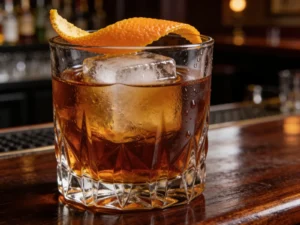 Old FashionedWhiskey, sugar, bitters and ice, stirred and twisted with orange peel
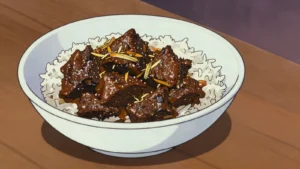 Beef RendangBeef slow-cooked dry in coconut and spices for festive days
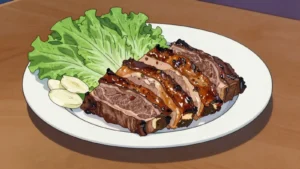 GalbiMarinated beef short ribs grilled over charcoal
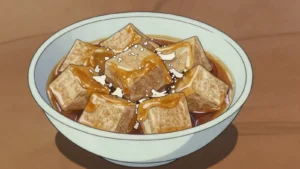 Fa’ausiGrated taro or bread squares drowned in thick caramelised coconut sauce
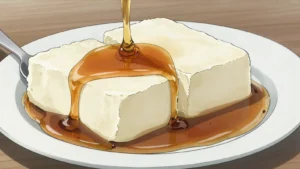 Cuajada con melaoFresh curd cheese under warm panela syrup, eaten with a spoon
 SimaHome-brewed lemon mead with raisins for May Day.
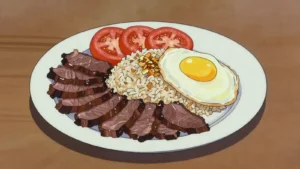 TapsilogCured beef tapa with garlic fried rice and runny egg
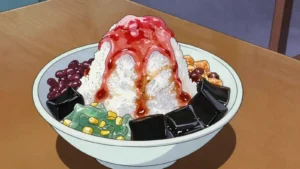 Ais KacangShaved-ice mountain with beans, jellies, corn and syrups
Brown and unrefined sugars is tagged on 325 dishes from 77 countries in the atlas. These notes are written from general knowledge and carry no per-fact citation — see About.