The base layer of more savoury dishes than any other single vegetable, and the only common one whose flavour is created by cutting it rather than present in it.
Where it comes from
Onions were domesticated somewhere in Central or West Asia and are among the oldest cultivated vegetables. They keep for months, travel without refrigeration and grow almost anywhere, which is why nearly every cuisine on earth starts something with them.
An intact onion barely smells. Cutting it ruptures cells and lets an enzyme meet a sulphur compound, which produces both the sharp flavour and the volatile that stings the eyes. Heat destroys the enzyme, which is why a cooked onion is sweet and mild and a raw one is not.
Varieties
- Brown / yellow — The all-purpose cooking onion. High in the sulphur compounds that turn sweet and deep with long cooking.
- Red — Milder and less sharp raw, and its colour bleeds in cooking. Salads, pickling, garnish.
- White — Cleaner and sharper. The standard onion in Mexican cooking.
- Sweet onions — Vidalia, Cévennes, Tropea. Low in sulphur, high in water. Good raw, poor keepers, and they will not caramelise the same way.
- Shallot — Finer, more concentrated, less watery. The choice where the onion should not dominate — vinaigrettes, pan sauces.
- Spring onion / scallion — Immature, mild, and used raw or added at the end.
- Leek — A different species, sweeter and more delicate, and it does not brown well — it is for gentle sweating.
In the kitchen
Sweating and caramelising are different jobs. Sweating is a few minutes on low heat with salt to draw water out, and keeps the onion pale; caramelising is genuinely 30 to 45 minutes and cannot be rushed with high heat, which just burns the outside while the inside stays raw.
Salt early: it pulls water out and speeds everything that follows.
Onion burns bitter, and burnt onion cannot be rescued from a dish. It is the single commonest ruined base.
Choosing and keeping
Cool, dark, dry, and never in a bag or next to potatoes — each makes the other sprout and rot faster.
A cut onion oxidises and turns harsh within a day. Wrap it, use it soon, and do not judge an onion by a leftover half.
Dishes with onion
 LevivotFried grated potato pancakes eaten with sour cream or apple sauce.
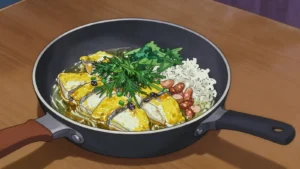 Cha Ca La VongTurmeric fish fried at the table with mountains of dill and spring onion
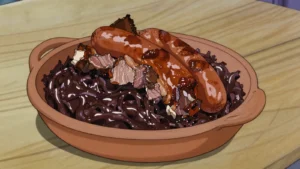 Podvaraksauerkraut baked with smoked meat and roast pork or turkey
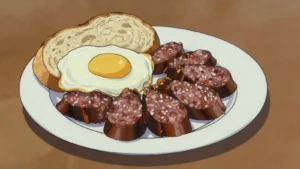 Morcilla de Burgosblood sausage bulked with rice and onion, fried in slices
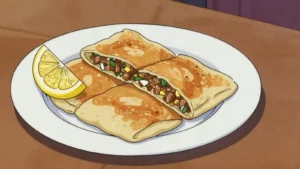 Mutabbaqcrispy folded pancake stuffed with spiced meat, egg and leek
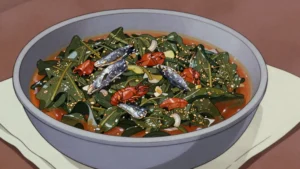 FolonAmaranth leaves stewed with palm oil and smoked fish
 Azifacold green-lentil salad with mustard, onion and chili
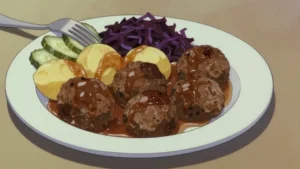 FrikadellerPan-fried pork meatballs with potatoes, gravy, pickled cucumber.
Onion is tagged on 555 dishes from 168 countries in the atlas. These notes are written from general knowledge and carry no per-fact citation — see About.