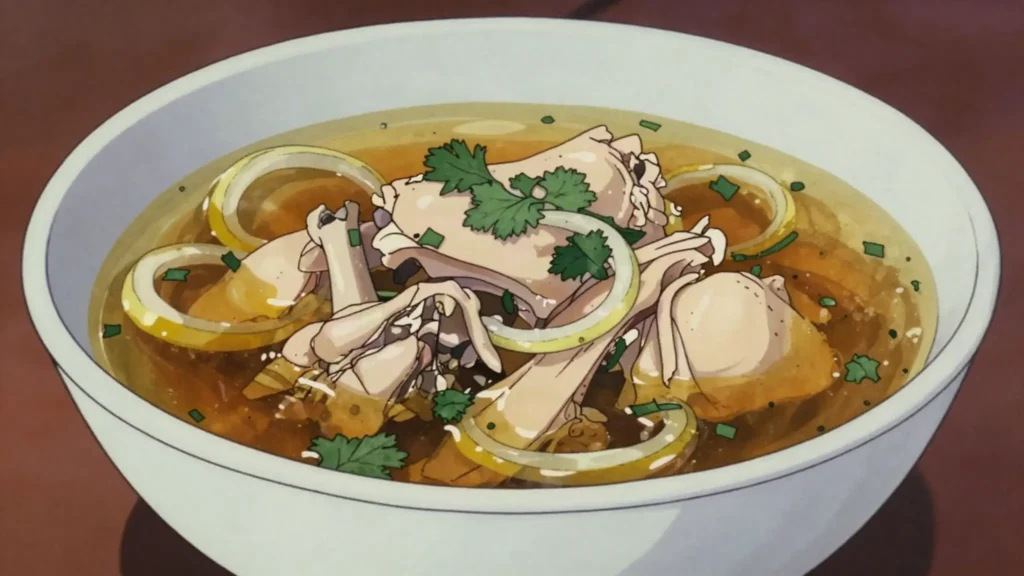

Ingredients
Chicken
- 1free-range chicken
- about 1.8 kg, jointed
- 2 teaspoonssalt
- juice of 1 lemon
The pot
- 3onions, chopped
- 6garlic cloves, crushed
- 4cm ginger, grated
- 5tomatoes, chopped
- 2 tablespoonstomato purée
- 4 tablespoonsoil
- 2 teaspoonsground coriander
- 1 teaspoonground cumin
- 1 teaspoonturmeric
- 1stock cube
- black pepper
- water to cover
To finish
- a handful of coriander, chopped
- 1green chilli, sliced
- 1carrot, sliced, optional
To serve
- ugali
- or chapati and rice
- sukuma wiki
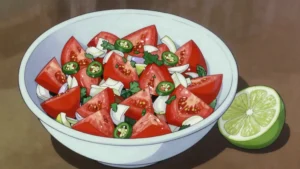
- kachumbari
Directions
- Cut the chicken into eight or ten pieces. Cut through the joints rather than the bone. Keep the bones in it throughout. Boneless chicken gives a thin result. Rub the pieces with lemon juice and salt. Let them sit for fifteen minutes. Rinse them thoroughly in cold water. Pat every piece completely dry. Heat the oil in a large heavy pot. Add the chicken pieces in batches.
- Brown them well on all of their sides. Do not crowd the pot at any point. Set each batch aside as it browns. Pale chicken gives a thin flat result. Take the time to do it properly. Add the chopped onions to the same pot. Cook them for a good twelve minutes.
- Let them go genuinely soft and golden. Undercooked onion leaves it sharp and thin. Take them further than feels necessary. Add the crushed garlic and the ginger.
- Cook them for a good two minutes. Add the ground spices to the pot. Fry them for thirty seconds only. Add the chopped tomatoes to the pot. Add the tomato purée with them. Cook them down for about ten minutes. The tomatoes must cook right down.
- Oil should separate and rise at the edges. Put the browned chicken back in the pot. Crumble the stock cube into the pot. Add black pepper and a little salt. Add water to just cover the pieces. Bring it up to a gentle simmer.
- Cover the pot and let it cook on. Give it at least two full hours. Stir it every half hour or so. Add hot water if it reduces too far. The pieces should stay mostly covered. Cook it until it is tender rather than until time is up. Take the lid right off the pot.
- Let it simmer uncovered for twenty minutes. Judging the sauce takes a look. Oil should be visible at the surface. It should be a deep reddish brown. Add sliced carrot in the last half hour. Taste it and adjust the salt as needed. Add the sliced green chilli to it. Scatter chopped coriander over it. Let it stand for a good ten minutes. Serving it is always done piping hot.
- Ladle it into bowls with plenty of sauce. Serve ugali alongside it as well. Serve sukuma wiki with it too. Pinch off ugali and scoop with it. It keeps three days refrigerated.
Technique
- Kienyeji chickens are indigenous scavenging birds that range freely and grow slowly over months, which develops far more flavour than a grill’s soft fast-grown muscle; Kenyans pay considerably more for one, and the broth is richer and darker as a result.
- A working bird has strong connective tissue that needs hours of gentle cooking to turn to gelatine, which tenderises the meat and enriches the broth at once; a grill cooks in forty minutes and a kienyeji bird can take three hours, so cooking one like the other ruins it.
- Cook it until it is tender rather than until the time is up: two hours may not be enough and three is not unusual for an old bird, and a laying hen past her prime is the toughest of all but gives the deepest broth.
Substitutions
- Any free-range or older stewing hen behaves the same way.
- Carrot or potato added in the last half hour softens without collapsing.
Variations
- Some households add potato and others keep it to chicken alone.
- It is served with ugali, with chapati, or with rice.
- The chilli level varies considerably between households.
History
Indigenous scavenging birds take hours to tenderise but are prized over broilers; kienyeji means local or indigenous in Swahili.
Frequently asked questions
What is Kuku kienyeji?
Kuku kienyeji is a main from Kenya: tough free-range village chicken stewed slowly into deep-flavoured broth. Indigenous scavenging birds take hours to tenderise but are prized over broilers; kienyeji means local or indigenous in Swahili.
How long does Kuku kienyeji take to make?
Kuku kienyeji takes 30 minutes of preparation and 2 hours 30 minutes of cooking. The recipe makes serves 6. It is rated medium to make.
What can I substitute in Kuku kienyeji?
Yes, within limits. Any free-range or older stewing hen behaves the same way. Carrot or potato added in the last half hour softens without collapsing.
What is the most important thing to get right in Kuku kienyeji?
Cut the chicken into eight or ten pieces. Cut through the joints rather than the bone. Keep the bones in it throughout. Boneless chicken gives a thin result. Rub the pieces with lemon juice and salt. Let them sit for fifteen minutes. Rinse them thoroughly in cold water. Pat every piece completely dry. Heat the oil in a large heavy pot. Add the chicken pieces in batches.