
Ingredients
The leaves
- 500 gfresh moringa leaves
- stripped from the stems
- washed thoroughly
- or 400 g spinach
- for a milder version
The peanut element
- 150 gpeanut flour
- or 150 g roasted peanuts
- ground finely
- or kuli kuli, crumbled
- the fried peanut cake
The seasoning
- 1onion, sliced paper-thin
- 2 tablespoonsgroundnut oil
- or red palm oil
- 1 tablespoonchilli powder
- or to taste
- 1stock cube
- or salt to taste
- 1tomato, chopped, optional
Sometimes added
- a squeeze of lime
- a little grated ginger
- chopped fresh chilli
- a few dried shrimp, ground
To serve
- on its own, as a side
- with rice or millet porridge
- with grilled meat
- or with kuli kuli scattered over
Directions
- Discard nuts that are shrivelled or dark. Discard any that smell musty or stale. Store them airtight and completely dry. Strip the leaflets off by hand. Hold the stalk and pull downwards. This takes patience and it is slow.
- Fill a bowl with cold water. Lift them out rather than pouring off. Drain them thoroughly. Steaming keeps both far better. Set up a steamer over boiling water. Line the basket with muslin if needed. Tip the leaves in loosely. Do not press them down at all. Steam must pass through them freely.
- Steam them for about five minutes. They should wilt and darken slightly. Let the steamed leaves cool a little. Steam scalds badly and condenses on skin. Do not squeeze them completely dry. Heat the oil in a small pan. Add the paper-thin sliced onion. Cook it until soft and lightly golden. Now take the pan off the heat.
- Add the chilli powder off the heat. Chilli scorches instantly in hot oil. Stir it into the warm oil. Add the crumbled stock cube. Add ginger or dried shrimp if using. Let it cool slightly.
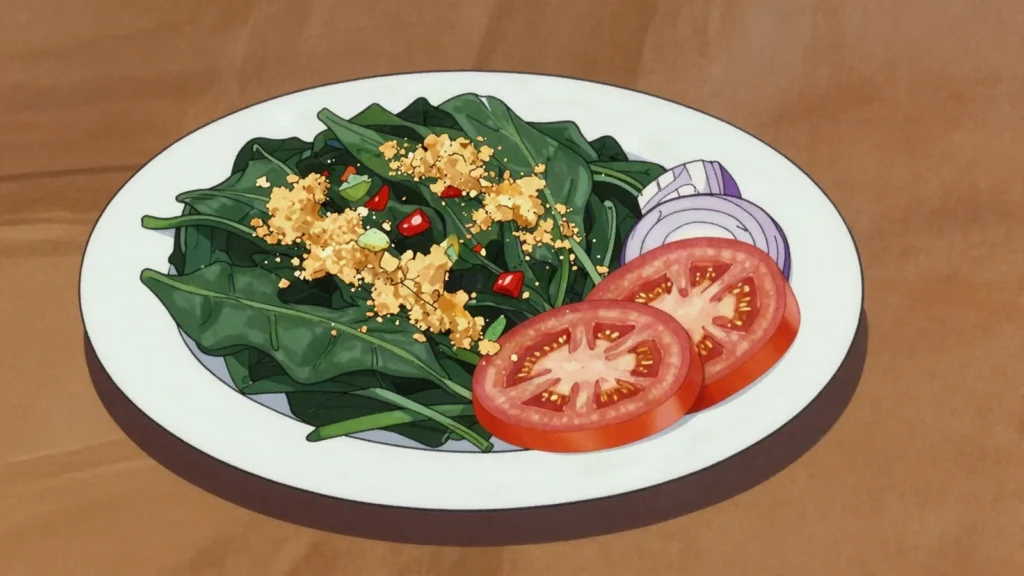
- Put the steamed leaves in a wide bowl. Add the peanut flour gradually. Toss it through with your hands. The flour should coat every leaf. Add the oil and onion mixture. Toss it through thoroughly. Add salt if it needs it.
- Add more chilli if you want it hotter. Northern Nigerian versions are genuinely hot. Add a squeeze of lime to brighten it. It is not always traditional but it helps.
- Add more flour if it is too wet. Add a little oil if it is too dry. Serve it warm or at room temperature. It is not usually served hot. Crumble kuli kuli over the top. That adds crunch against the soft leaves.
Technique
- Moringa keeps producing leaves through the Sahelian dry season when most vegetables fail, which is exactly why it matters there. That timing is the point of the plant.
- Moringa is heavily marketed as a superfood with extraordinary claims attached. The atlas records those as claims and makes none of its own: these are green leaves, nutritious as green vegetables are, and they have been eaten in the region for a long time without requiring discovery by anyone.
- This dish uses leaves only. Moringa root and bark contain compounds that are not safe to eat, and pregnant women are advised to avoid root preparations. That distinction matters and the leaves are what is eaten across the Sahel.
- Steam the leaves rather than boiling them. Boiling leaches out flavour and colour; five minutes of steam wilts them while keeping them green. Olive grey leaves have been overcooked.
- Take the pan off the heat before the chilli powder goes into the oil. Chilli scorches instantly in hot oil and turns bitter beyond use.
- Toss it with your hands rather than a spoon. You can feel whether every leaf is coated, which is what you are aiming for — a loose separate mixture, not a wet paste.
- Do not squeeze the steamed leaves completely dry. A little moisture is what makes the peanut flour cling.
- Peanut allergy can be life-threatening and the peanut is central to this dish; there is no version without it. Groundnuts also carry a risk of aflatoxins from mould in warm humid storage, which cooking does not destroy — buy from a reputable supplier and discard anything shrivelled, dark or musty-smelling.
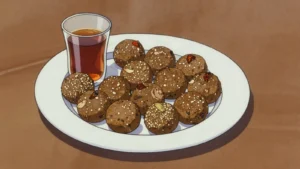
- Kuli kuli, the fried peanut cake made from the solids left after pressing out peanut oil, is crumbled over the top for crunch. It is sold by West African grocers and is worth seeking out.
- The bitterness of moringa is part of its character rather than a fault. Steaming softens it and the peanut and oil balance it.
Substitutions
- Spinach replaces moringa for a much milder dish; it needs only two or three minutes of steaming.
- Ground roasted peanuts replace peanut flour; grind them finely.
- Crumbled kuli kuli replaces or supplements the flour and adds crunch.
- Red palm oil replaces groundnut oil and gives a deeper colour and flavour.
- Ground dried shrimp adds savoury depth and is used in some households, though it makes the dish non-vegetarian.
- A stock cube is what most cooks in the region use; salt alone does the job.
Variations
- Northern Nigerian versions of zogale are close relatives and are often considerably hotter.
- A version with far more oil, closer to a dressed salad, is made in some households.
- Dried moringa leaf is used in soups and stews rather than in this salad.
- Kuli kuli eaten on its own is a widespread West African snack.
- Moringa pods, the drumsticks, are cooked as a vegetable in South Asia and increasingly in the Sahel.
- Some cooks toss the raw leaves with flour before steaming, which keeps them more separate.
History
Moringa grows fast in the Sahel and its leaves are eaten fresh; the salad is a dry-season source of greens when other vegetables fail.
Frequently asked questions
What is Zogale?
Zogale is a salad & side from Niger: steamed moringa leaves tossed with peanut flour, chili and oil. Moringa grows fast in the Sahel and its leaves are eaten fresh; the salad is a dry-season source of greens when other vegetables fail.
How long does Zogale take to make?
Zogale takes 25 minutes of preparation and 15 minutes of cooking. The recipe makes serves 6 as a side. It is rated easy to make.
What can I substitute in Zogale?
Yes, within limits. Spinach replaces moringa for a much milder dish; it needs only two or three minutes of steaming. Ground roasted peanuts replace peanut flour; grind them finely. Crumbled kuli kuli replaces or supplements the flour and adds crunch. Red palm oil replaces groundnut oil and gives a deeper colour and flavour. Ground dried shrimp adds savoury depth and is used in some households, though it makes the dish non-vegetarian. A stock cube is what most cooks in the region use; salt alone does the job.
What is the most important thing to get right in Zogale?
Fill a bowl with cold water. Lift them out rather than pouring off. Drain them thoroughly. Steaming keeps both far better. Set up a steamer over boiling water. Line the basket with muslin if needed. Tip the leaves in loosely. Do not press them down at all. Steam must pass through them freely.