The knobbly rhizome of a tropical Asian plant — hot, sharp, lemony and fragrant when fresh, warm and sweet when dried — and one of the few spices used just as readily fresh, dried, pickled and candied.
Where it comes from
Ginger is native to tropical Asia and has been grown in India and China for so long that no wild form is known. It reached the Mediterranean in antiquity and was, with pepper, the cheapest and most common spice of medieval Europe, used in everything from gingerbread to sauces for fish; the Spanish carried it to Jamaica, whose ginger is still considered among the finest. India and China grow most of it now.
Fresh and dried ginger are almost different spices. The fresh rhizome is juicy, sharp and citrusy and is the ginger of Chinese, Japanese, Indian and Southeast Asian savoury cooking; dried and ground it becomes warmer, sweeter and more peppery, and is the ginger of European baking and of Middle Eastern and Moroccan spice blends. Galangal, the Thai and Indonesian relative, is a different rhizome — piny, sharper, more medicinal — and is not a substitute.
Varieties
- Fresh (mature) ginger — Firm, tan-skinned, fibrous; sharp and hot. The everyday ginger for savoury cooking, grated or sliced.
- Young (spring) ginger — Thin pale skin, pink tips, tender and juicy, mild. For pickling — the pink ginger with sushi — and eating raw.
- Dried ground ginger — Warm, sweet, peppery; for gingerbread, cakes, chai masala, ras el hanout and Chinese five-spice.
- Galangal — A different rhizome, hard and piny; the ginger of Thai tom yum and Indonesian pastes. Not interchangeable.
- Pickled and candied ginger — Young ginger in sweet vinegar (gari); mature ginger cooked in syrup and dried (stem ginger, crystallised ginger).
- Jamaican ginger — Prized for a clean, bright, less harsh flavour; the ginger of ginger beer.
In the kitchen
Peel it with the edge of a spoon, which follows the knobs where a knife cannot, or leave the skin on young ginger. Grate on a fine grater for juice and pulp, slice into coins to flavour a broth and remove, or cut into fine matchsticks for a stir-fry. Fresh ginger’s heat and aroma fade with long cooking, so a Chinese dish often uses it twice — early and at the end.
Ground ginger belongs in baking and spice mixes and does not replace fresh in a stir-fry or a curry paste; nor does fresh replace ground in a gingerbread. Ginger, garlic and spring onion are the base of Chinese cooking; ginger and garlic pounded together, the base of northern Indian.
Choosing and keeping
Choose fresh ginger that is heavy, firm and taut-skinned, and snaps cleanly; wrinkled, soft or mouldy ends mean age. Unpeeled, in the fridge, it keeps two or three weeks; peeled and frozen it grates beautifully from frozen and keeps for months.
Ground ginger keeps a year sealed away from light. Young ginger is a spring and early summer thing in Asian shops and does not keep long.
Dishes with ginger
 GizzadaPinch-crust tart filled with spiced grated coconut
 Bulla cakeDense molasses and ginger cake eaten with avocado or cheese
 Cocoa teaSpiced hot drink grated from cocoa sticks
 ChotpotiTangy pea-and-potato stew topped with grated egg and tamarind
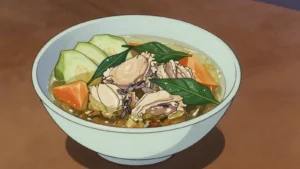 TinolaGinger chicken soup with green papaya and chili leaves
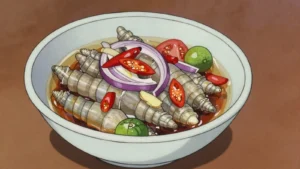 TamilokWoodworm from rotting mangrove trunks, eaten raw with vinegar, calamansi and chilli
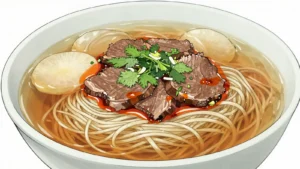 Lanzhou Beef Noodle SoupHand-pulled noodles in clear beef broth with radish, chili oil and coriander
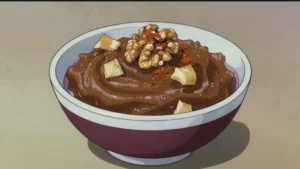 Charosetpaste of fruit, nuts and wine eaten at the Passover seder
Ginger is tagged on 781 dishes from 148 countries in the atlas. These notes are written from general knowledge and carry no per-fact citation — see About.