Dried red chillies ground fine — a whole family of powders from the pure single-chilli grinds of India and Korea to the seasoned blends of the American Southwest, which share a name and not much else.
Where it comes from
Grinding dried chillies is as old as drying them, and every chilli-growing culture has its own powder. In India it is simply ground dried red chilli, often from a named region — Kashmiri for colour, Guntur for heat. In Korea it is gochugaru, coarsely flaked from sun-dried chillies with the seeds removed, the red of kimchi and gochujang. In Mexico the single-chilli grinds — ancho, guajillo, chipotle — are sold and used separately, and blending them is the cook’s job.
The ‘chili powder’ of the United States is a different thing: a blend of ground chilli with cumin, garlic, oregano and salt, invented in Texas in the late nineteenth century for making chili con carne quickly. A recipe from an American source that calls for chili powder means that blend; a recipe from India means pure ground chilli, and swapping one for the other is a common and noticeable mistake.
Varieties
- Kashmiri chilli powder — Vivid red and mild. Used in quantity for colour in Indian curries and tandoori marinades without making them fiercely hot.
- Indian red chilli powder — The general hot grind, usually from Guntur or similar. Where an Indian dish’s heat actually comes from.
- Gochugaru — Korean chilli flakes or powder, sun-dried, seeds removed. Fruity, moderate, slightly smoky; the only chilli in traditional kimchi.
- Cayenne — Very fine, hot and plain — heat with little aroma. The pepper in Cajun seasoning and on top of a gratin.
- Ancho and other single Mexican grinds — Dried poblano, ground: sweet, raisiny, mild. Sold pure in Mexican shops and used for moles and rubs.
- American chili powder — A seasoned blend, not a chilli. Cumin-forward, mild, salted; for chili con carne and Tex-Mex.
In the kitchen
Like paprika, chilli powder scorches in hot fat. Add it off the heat or with liquid, or bloom it briefly in warm oil with the other ground spices before the wet ingredients go in — the Indian method — watching it constantly.
For colour without heat, Kashmiri; for heat, a hot grind, added a little at a time. Gochugaru is not interchangeable with either: its coarse flake and mild fruitiness are specific, and fine hot powder in a kimchi will burn.
Choosing and keeping
Buy from shops that turn stock over quickly, in small quantities, and keep it sealed away from light. Ground chilli loses its aroma within months and its colour soon after; a dull brown powder is mostly heat and dust.
Check the label. ‘Chilli powder’ in a British or Indian shop is pure chilli; in an American one it is a blend, and the two are used in very different quantities.
Dishes with chilli powder
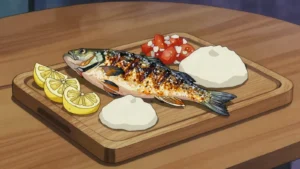 Nsomba zowotchaLake fish salted and grilled whole over charcoal by the water
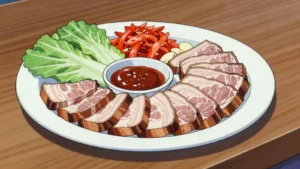 BossamBoiled pork belly slices wrapped in cabbage leaves with radish salad and ssamjang
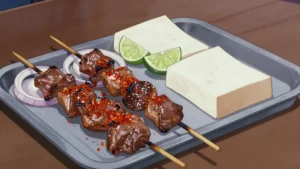 KamundeleGoat or beef skewers grilled with onion and chili, eaten with chikwanga
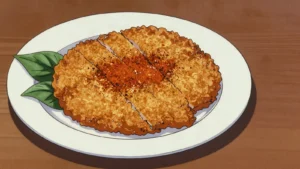 Fried Chicken CutletOversized flattened fried chicken breast dusted with spiced pepper salt
 KategnaInjera toasted crisp and brushed with spiced butter and berbere
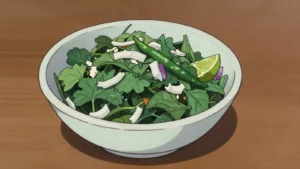 Gotu Kola SambolaFinely shredded pennywort leaf with coconut, lime, onion and green chilli
 Hamhung NaengmyeonExtra-chewy potato-starch noodles in fiery sauce, often topped with raw skate
 BirianiLayered coastal rice with spiced meat, saffron-tinted and served at weddings
Chilli powder is tagged on 179 dishes from 59 countries in the atlas. These notes are written from general knowledge and carry no per-fact citation — see About.