
Ingredients
The fish
- 4thick fillets
- about 200 g each
- deep-water snapper
- or any firm white fish
- or 1 whole fish, about 1.5 kg
- scaled and gutted
The seasoning
- 2 teaspoonssalt
- 1 teaspoonblack pepper
- juice of 2 limes
- 3 tablespoonscoconut oil
- or any oil
- 4 clovesgarlic, crushed
- a thumb of ginger, sliced
- optional
For the steamed version
- banana leaves
- softened over a flame
- or foil
- 200 mlthick coconut cream
- 2spring onions, sliced
- 1tomato, sliced
- 1chilli, sliced, optional
For the fire
- charcoal
- or a wood fire
- burned down to embers
- a hinged fish cage
- or a grill rack
To serve
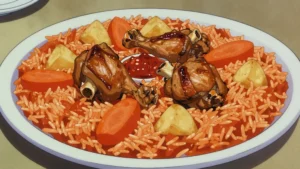
- rice, or boiled taro
- or roasted breadfruit
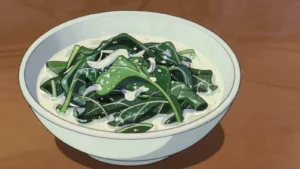
- island cabbage or greens
- lime wedges
- a chilli sauce
Directions
- Season the fish with salt, pepper and lime. Let it sit twenty minutes. Do not leave fish in lime juice long. Rub the fish with coconut oil. Rub the garlic over it. Oil stops the fish sticking to the grill. It also helps it brown.
- Let it burn down to embers. Never grill indoors at all. Grill outdoors in open air only. Get the grill genuinely hot first. Oil the bars with a cloth held in tongs.
- Oil the fish as well. Fish releases from the bars when it is ready to turn. Lay them skin side down first. Give them about five minutes. Turn them once. Give them three or four minutes more.
- Score three slashes into each side. That helps it cook evenly. Grill it about eight minutes a side. Baste it with lime and oil. The flesh should be opaque throughout. Take it off slightly early. Banana leaves crack when folded cold. Lay a piece of leaf out. Set the fish on it.
- Season it with salt, pepper and lime. Lay tomato and spring onion over. Pour thick coconut cream over. Add chilli if you like. Fold the leaf over the fish. Fold the ends under.
- Tie it with string or a strip of leaf. Wrap it tightly. Steam it over boiling water. Give it about twenty-five minutes.
- Let it stand five minutes. Steam escapes and it scalds. Pour it over the fish when serving. Do not discard it. Serve it with rice or a root vegetable. It must be cooked thoroughly.
Technique
- Ciguatera concentrates up the reef food chain, and deep-water species feed outside it — so deep-water snapper carries a considerably lower risk than reef fish, which is part of why it is prized and widely eaten. Lower risk is not no risk, some deeper species have been implicated occasionally, and local knowledge about which fish and which waters remains the real guide. The atlas gives the full ciguatera warning under grilled reef fish.
- Take fish off the heat slightly early. It goes from just done to dry within a minute and carries on cooking off the heat — that is the commonest failure with any fish.
- Fish releases from the grill bars when it is ready to turn. If it sticks, it needs longer — do not force it. Get the grill hot, scrub it, oil the bars with a cloth held in tongs, oil the fish too, and then leave it alone. A hinged fish cage removes the problem entirely.
- Twenty minutes with lime is plenty. Lime cures fish chemically, turning the surface opaque and firm, so longer changes the dish.
- Use thick fillets if you can. Deep-water snapper gives them, and thin fillets overcook before they take any colour.
- Wrap the leaf parcel tightly. It steams the fish in its own liquid, and the coconut and fish juices that collect inside are the sauce — pour them over rather than discarding them.
- Coconut cream does not split inside a sealed parcel, since it never boils hard. That is a real advantage of the leaf method.
- Soften banana leaves over a flame or in boiling water for ten seconds. Cold leaves crack when folded.
- Let the parcel stand five minutes and open it away from your face. The trapped steam scalds.
- Charcoal and wood produce carbon monoxide, which has no colour, smell or taste and kills in enclosed spaces. Grill outdoors only, never in a garage, tent or shed, and never bring a used grill inside.
- Taro must be cooked thoroughly — raw taro contains irritant crystals that cooking destroys, and peeling it raw irritates some people’s skin.
- Deep-water snapper are long-lived and slow-growing, which makes stocks slow to recover and vulnerable to overfishing. Several Pacific fisheries manage them with catch limits; ask about the source where you buy.
- The fish is named for its flesh, which is white, firm and mild enough to be compared to chicken breast.
Substitutions
- Sea bass, grouper, snapper or cod replace deep-water snapper.
- Foil replaces banana leaves for the parcel, without the leaf flavour.
- Any oil replaces coconut oil, which is what is used in the islands.
- Lemon replaces lime.
- Rice, taro, breadfruit or cassava all serve as the starch.
- An oven at 180 degrees replaces the fire for the parcel version.
Variations
- Grilled reef fish is the everyday Pacific preparation and carries a higher ciguatera risk.
- Laplap, grated root vegetable baked in leaves, is Vanuatu’s national dish.
- Fish cooked in coconut cream in a leaf parcel is made across the Pacific under many names.
- Raw fish cured in lime and coconut cream is the other great treatment of the same fish.
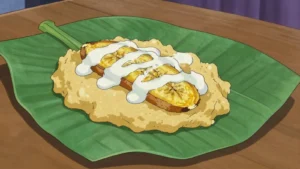
- Simboro wraps grated cassava in island cabbage with coconut cream.
- Tuluk and other leaf-wrapped dishes belong to the same cooking tradition.
Frequently asked questions
What is Poulet Fish?
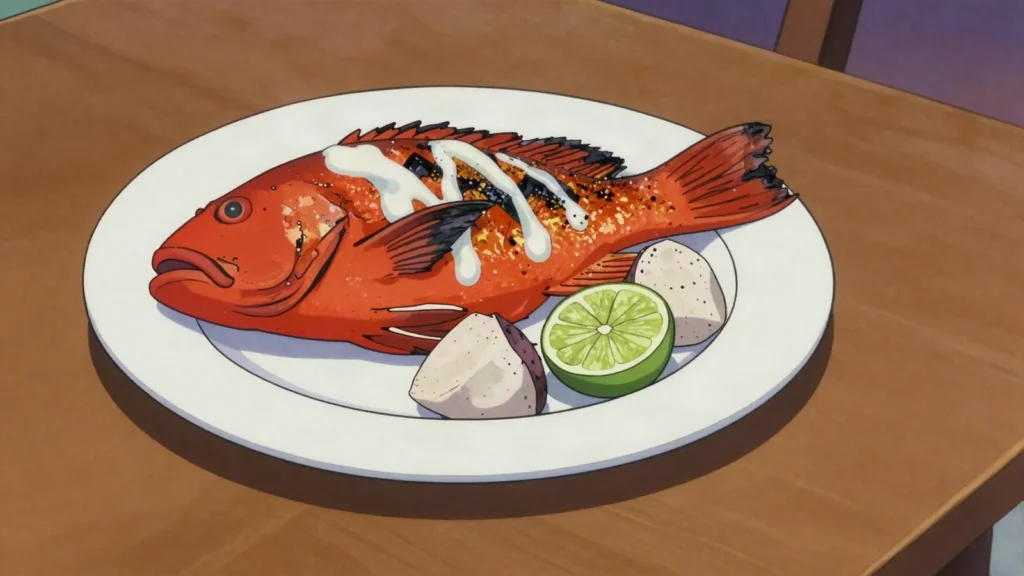
Poulet Fish is a main from Vanuatu: prized deep-water snapper, grilled or steamed, named for chicken-tender flesh.
How long does Poulet Fish take to make?
Poulet Fish takes 20 minutes of preparation and 25 minutes of cooking. The recipe makes serves 4. It is rated easy to make.
What can I substitute in Poulet Fish?
Yes, within limits. Sea bass, grouper, snapper or cod replace deep-water snapper. Foil replaces banana leaves for the parcel, without the leaf flavour. Any oil replaces coconut oil, which is what is used in the islands. Lemon replaces lime. Rice, taro, breadfruit or cassava all serve as the starch. An oven at 180 degrees replaces the fire for the parcel version.
What is the most important thing to get right in Poulet Fish?
Season the fish with salt, pepper and lime. Let it sit twenty minutes. Do not leave fish in lime juice long. Rub the fish with coconut oil. Rub the garlic over it. Oil stops the fish sticking to the grill. It also helps it brown.