The world’s most-eaten fruit, and one where the entire global export trade rests on a single sterile clone with no genetic defence against anything.
Where it comes from
Bananas were domesticated in New Guinea and Southeast Asia and spread to Africa very early — East African highland bananas are a staple crop with hundreds of local varieties. The seedless fruit is a sterile hybrid, propagated only from suckers.
Almost every banana in international trade is Cavendish, a single clone. Its predecessor, Gros Michel, was wiped out commercially by a soil fungus in the mid-twentieth century, and a new strain of the same disease is now moving through Cavendish plantations. A monoculture of clones has no variation for selection to work on, which is exactly the problem.
Varieties
- Cavendish — The export banana. Sweet, mild, and picked green to survive shipping.
- Lady finger / sugar banana — Small, thin-skinned, more intense.
- Red banana — Softer, faintly raspberry-scented.
- Highland cooking bananas — Matoke and relatives, steamed as a staple in East Africa.
- Plantain — Starchy cooking types, treated separately in the atlas.
- Banana leaf and flower — Not fruit, but food — leaves for wrapping and steaming, the flower as a vegetable across Southeast Asia.
In the kitchen
Bananas ripen after picking, which is unusual — they convert stored starch to sugar right through to black. A banana too ripe to eat is exactly right for baking, and no amount of added sugar substitutes for it.
They give off a lot of ethylene and are among the strongest ripening agents in a fruit bowl. Bagging a banana with hard avocados or peaches genuinely works.
Banana browns fast and does not stop. Acid slows it a little; nothing prevents it.
Dishes with banana
 Dirty BananaRum, coffee liqueur, banana and cream blended with ice into a milkshake
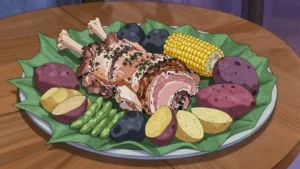 PachamancaMeats and tubers steamed underground on hot stones, Andean feast
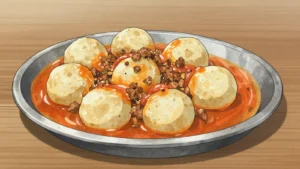 KandaSteamed squash-seed and minced-meat balls in tomato-palm sauce
 DucanaGrated sweet potato-coconut dumpling steamed in banana leaf
 Pad ThaiWok-fried rice noodles with tamarind, egg, tofu, shrimp and peanuts
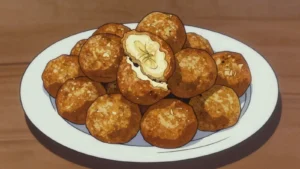 PanikekeDeep-fried round banana pancake balls sold in bags, sweet snack
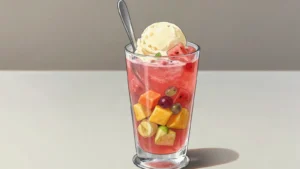 SalpicónChopped fruit in watermelon juice or soda, eaten with a spoon
 ChikondamoyoSweet maize flour cake baked in a covered pot over coals
Banana is tagged on 283 dishes from 99 countries in the atlas. These notes are written from general knowledge and carry no per-fact citation — see About.