
Ingredients
Stew
- 1.2 kgbeef chuck or shin on the bone, cut into 5 cm pieces
- 4 tbspgroundnut (peanut) oil
- 2large onions (350 g), one finely chopped, one cut into wedges
- 4garlic cloves, crushed
- 300 gunsweetened pure peanut butter, smooth or lightly chunky
- 3 tbsptomato puree (double concentrate)
- 3ripe tomatoes (300 g), grated or chopped
- 1stock cube (Jumbo or Maggi), crumbled
- 1whole scotch bonnet chilli, left unbroken
- 1bay leaf
- 1.5 litreswater
- 2 tspsalt, or to taste
Vegetables
- 400 gcassava, peeled, cored and cut into batons
- 2sweet potatoes (400 g), peeled and cut into thick chunks
- 3carrots (250 g), cut into thick lengths
- ¼white cabbage (250 g), cut into two wedges
- 1small aubergine (200 g), quartered
- 150 gokra, left whole (optional)
To serve
- 500 glong-grain white rice, steamed
Directions
- Heat the groundnut oil in a heavy pot over high heat and brown the meat hard in two batches, 6–8 minutes a batch, until crusted on all sides. Lift out.
- Lower the heat, add the chopped onion and garlic and cook 8 minutes until soft and golden, scraping up the browned meat stuck to the base.
- Stir in the tomato puree and fry it 4–5 minutes, until it darkens from bright red to brick and smells sweet rather than tinny. This step is what stops the finished stew tasting raw.
- Add the fresh tomato, cook 5 minutes to a jam, return the meat, pour in the water, add the crumbled cube, bay leaf and the whole scotch bonnet, and simmer covered for 45 minutes.
- Loosen the peanut butter with 3 or 4 ladles of the hot broth in a bowl, whisking to a smooth cream, then stir it back into the pot. Never drop it in as a lump; it will sit on the bottom and scorch.
- Simmer uncovered on a low, lazy bubble for 30 minutes, stirring every few minutes and scraping the base. Add the cassava, sweet potato, carrot and onion wedges and cook 20 minutes more.
- Lay the cabbage, aubergine and okra on top, cover and cook 12–15 minutes until everything is tender but still holding shape. Lift out the chilli before it bursts, unless the table wants heat.
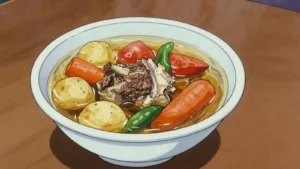
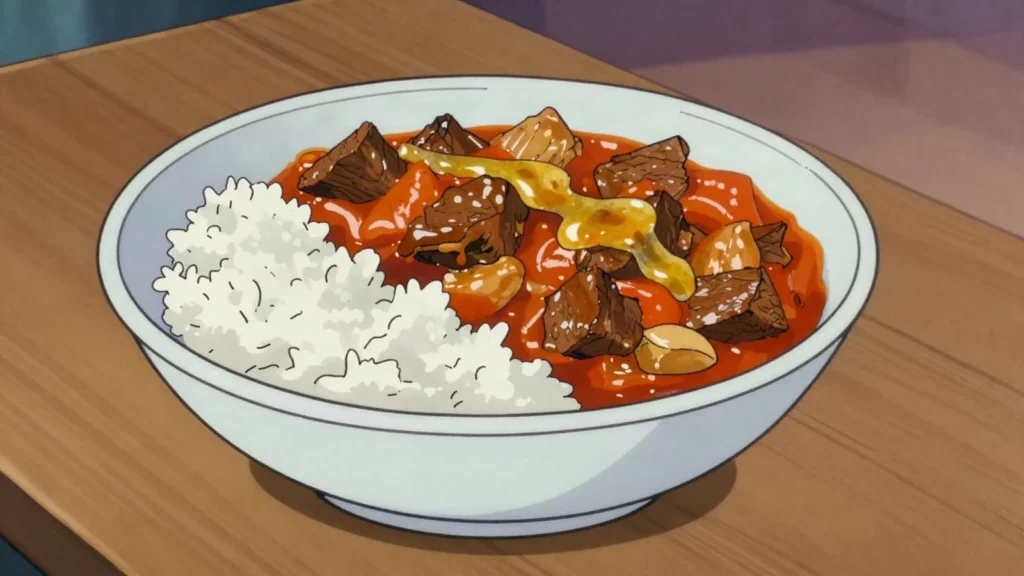
- The stew is ready when a slick of red-orange peanut oil floats clear on the surface and the sauce coats a spoon. Season with salt and serve in a wide communal bowl, meat and vegetables in the middle, over steamed rice.
Technique
- The rising oil is the doneness signal Malian cooks look for. Until the groundnut oil separates out, the sauce still tastes chalky and floury.
- Use pure ground peanuts with nothing added. Commercial peanut butter with sugar, palm oil and emulsifiers makes the stew cloying and stops it splitting properly.
- Keep the chilli whole. Maafe is warm, not fiery; the heat is meant to perfume the sauce, and the hot pepper is served separately for those who want it.
Substitutions
- Lamb shoulder or a whole jointed chicken both work; chicken needs only 25 minutes of simmering before the peanut goes in.
- No cassava: use waxy potatoes, added 10 minutes later than the sweet potato so they do not collapse.
Variations
- Tigadegena, the Bambara name, is the everyday Malian form with fewer vegetables and a looser, redder sauce eaten with plain rice.
- Senegalese mafe leans sweeter, often with a spoon of tamarind or a little sugar, and always includes cabbage.
- A dry-season version replaces the fresh vegetables with sun-dried okra and baobab leaf powder stirred in at the end.
History
A stew built on ground peanut, or groundnut, paste simmered with meat, tomato and leafy greens, developed among the Mandinka and other peoples of the historic Mali Empire, which by the 1300s controlled major trans-Saharan trade routes carrying, among other goods, peanuts that had themselves arrived in West Africa from South America through earlier Portuguese trade contact along the coast. The specific point at which ground peanut was worked into a savory stew base, rather than eaten roasted or in other forms, is not precisely documented, but the dish spread widely along the same Mandinka and broader West African trade networks that had once carried gold and salt, reaching neighboring countries including Senegal, Guinea and beyond under various local names for essentially the same peanut-stew technique.
Frequently asked questions
What is Maafe?
Maafe is a soup & stew from Mali: mandinka peanut-butter stew of meat, tomato and vegetables over rice. A stew built on ground peanut, or groundnut, paste simmered with meat, tomato and leafy greens, developed among the Mandinka and other peoples of the historic Mali Empire, which by the 1300s controlled major trans-Saharan trade routes carrying, among other goods, peanuts that had themselves arrived in West Africa from South America through earlier Portuguese trade contact along the coast. The specific point at which ground peanut was worked into a savory stew base, rather than eaten roasted or in other forms, is not precisely documented, but the dish spread widely along the same Mandinka and broader West African trade networks that had once carried gold and salt, reaching neighboring countries including Senegal, Guinea and beyond under various local names for essentially the same peanut-stew technique.
How long does Maafe take to make?
Maafe takes 25 min of preparation and 1 hr 45 min of cooking. The recipe makes 6 servings. It is rated medium to make.
What can I substitute in Maafe?
Yes, within limits. Lamb shoulder or a whole jointed chicken both work; chicken needs only 25 minutes of simmering before the peanut goes in. No cassava: use waxy potatoes, added 10 minutes later than the sweet potato so they do not collapse.
What is the most important thing to get right in Maafe?
Stir in the tomato puree and fry it 4–5 minutes, until it darkens from bright red to brick and smells sweet rather than tinny. This step is what stops the finished stew tasting raw.