Meat from cattle, and the clearest case in the kitchen of a single animal supplying cuts that need opposite treatments — minutes of fierce heat, or hours of gentle heat, and almost nothing useful in between.
Where it comes from
Cattle descend from the aurochs, an animal domesticated at least twice: taurine cattle in the Near East and zebu, the humped cattle of the tropics, in South Asia. The two have been crossed everywhere the climates meet.
How beef tastes owes as much to what the animal ate and how long it lived as to the cut. Grass-fed beef is yellower in the fat and more savoury; grain finishing lays down more intramuscular fat and a milder, sweeter flavour. Neither is a quality grade.
Varieties
- Fast cuts — Loin, rib, fillet, rump — muscles that did little work. Tender, low in connective tissue, ruined by long cooking.
- Slow cuts — Shin, chuck, brisket, oxtail, cheek. Full of collagen that only turns to gelatine after hours, and dry and stringy if hurried.
- Mince — A mixture, and its fat content is the whole story: about 20% for burgers and meatballs, leaner for a sauce where the fat is skimmed anyway.
- Dry-aged — Hung in cold, moving air for weeks. Water leaves, enzymes break down muscle, and the flavour turns nutty and concentrated.
- Cured and dried — Bresaola, biltong, pastrami, jerky — preservation traditions that became flavour traditions.
In the kitchen
Browning is not sealing. Nothing is sealed in; what browning does is run the Maillard reaction, which builds hundreds of savoury compounds that raw meat does not have. A stew browned properly and one merely simmered are different dishes.
A slow cut is not done when it reaches a temperature but when its collagen has melted, which takes time at temperature. That is why a braise that is still tough usually needs another hour, not more heat.
Resting a roast lets the muscle relax and reabsorb juice that would otherwise run out on the board. Ten minutes for a steak, half an hour for a joint.
Dishes with beef
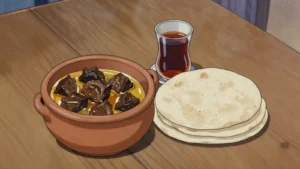 MuqmadCubes of camel or beef dried hard, fried and stored submerged in ghee
 Doktorskaya kolbasapale, finely ground boiled sausage sliced for sandwiches
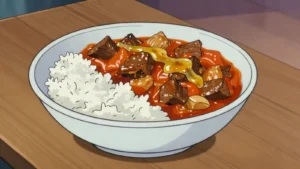 MaafeMandinka peanut-butter stew of meat, tomato and vegetables over rice
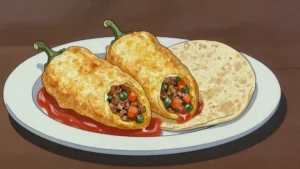 Chiles rellenosPeppers stuffed with meat and vegetables, egg-battered and fried
 LabskausMash of corned beef, potato and beetroot with herring, gherkin and fried egg.
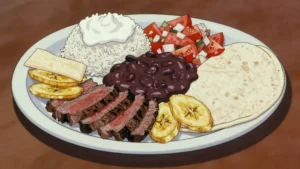 Plato típicoGrilled beef with beans, rice, plantains, and chismol
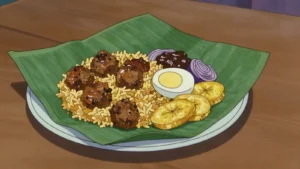 LampraisDutch Burgher packet of rice, curries and frikkadel baked in banana leaf
 Zignilong-simmered beef stew fiery with berbere, ladled over injera
Beef is tagged on 478 dishes from 145 countries in the atlas. These notes are written from general knowledge and carry no per-fact citation — see About.