A lantern-shaped chilli from the Yucatán and the Caribbean with a fierce, fast heat and, behind it, a fruit-and-flowers aroma that no milder chilli can copy — the reason it is used at all when heat alone would be easier to get elsewhere.
Where it comes from
The habanero belongs to Capsicum chinense, a different species from the jalapeño and the cayenne. Despite the name, which points to Havana, the species is Amazonian in origin and reached the Caribbean and the Yucatán long before the Spanish. Mexico’s Yucatán peninsula grows most of the world’s habaneros today and holds a protected designation for them; the Caribbean islands grow their own close relatives under other names.
The Scotch bonnet of Jamaica, Trinidad and the wider Caribbean is the habanero’s sibling — same species, squatter and more wrinkled, with the same fruity heat. The two are interchangeable in almost every recipe, and the choice between them is usually about which island the cook comes from rather than the dish.
Varieties
- Orange habanero — The standard. Ripens from green through to bright orange; very hot, with apricot and citrus in the aroma.
- Red habanero — Slightly larger and often slightly hotter than the orange; the one in most bottled Yucatecan salsas.
- Chocolate habanero — Dark brown when ripe, smokier and among the hottest of the group. Common in Caribbean pepper sauces.
- Scotch bonnet — Jamaica’s pepper and the taste of jerk. Same heat, a touch sweeter and more rounded; usually sold red or yellow.
- Habanada / mild habanero — A recent breed with the habanero’s aroma and none of its heat. Useful where the fruitiness is wanted by someone who does not want the fire.
- Datil — The habanero relative grown around St Augustine, Florida since the eighteenth century; sweeter and a little milder.
In the kitchen
Very little goes a long way. One habanero, seeds and membranes removed, will heat a pot for six; left whole and dropped into a stew, then lifted out before serving, it perfumes the dish and heats it gently — a common Caribbean trick with Scotch bonnets in rice and peas.
Its aroma is at its best raw or barely cooked, in a fresh salsa with lime and onion, or blended into a sauce after the cooking is done. Long frying flattens the fruitiness and leaves only heat.
Choosing and keeping
Look for firm, shiny fruit with a waxy skin and no soft patches. They keep a week or two in the fridge and freeze whole without much loss; dried, they lose most of what makes them worth having.
Wear gloves, or wash hands thoroughly with soap afterwards and keep them away from the eyes. The oils sit in the membranes and seeds and do not rinse off with water alone.
Dishes with habanero
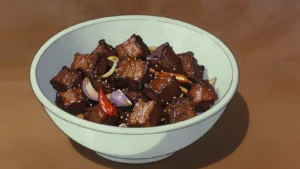 Geera porkPork cubes cooked dry with roasted cumin and hot pepper, eaten with drinks
 Gari fotoMoistened gari tossed with tomato, onion and scrambled egg
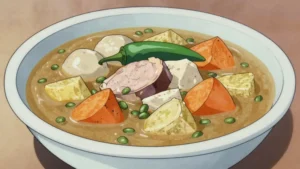 SancocheThick soup of salt meat, ground provisions, split peas and dumplings
 Stamp and GoCrispy saltfish fritters, old-time fast food
 Stewed saltfishNational dish with spicy plantains and coconut dumplings
 Egg ballBoiled egg wrapped in seasoned cassava, fried; eaten with sour
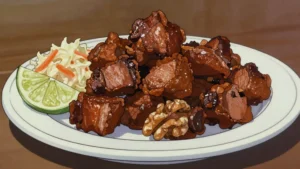 GriotCitrus-marinated pork chunks boiled then fried crisp
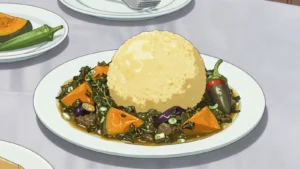 Fungee and pepperpotNational dish: cornmeal-okra ball with leafy meat stew
Habanero is tagged on 209 dishes from 43 countries in the atlas. These notes are written from general knowledge and carry no per-fact citation — see About.