The glossy purple fruit — eggplant in America, brinjal in India — that is spongy and bitter raw and turns silky, smoky and rich when cooked with enough heat and oil; the vegetable the whole Mediterranean and South Asia built dishes around.
Where it comes from
The aubergine was domesticated in India and southern China and reached the Middle East and the Mediterranean with the Arabs, who took it to Spain and Sicily by the ninth century. Europe was slow to trust it — its relatives are nightshades, and it was called the mad apple for a while — but it became the vegetable of the eastern Mediterranean, the Balkans and the Levant, and in India it remains one of the most eaten vegetables of all.
Its flesh is mostly air and water held in a spongy structure, which is why it drinks oil and why the cooking method matters more than for most vegetables. Charred whole over a flame it collapses into smoky pulp for baba ghanoush and the Indian baingan bharta; sliced and fried or grilled it turns creamy; salted and pressed first it fries with less oil. Modern varieties are far less bitter than the old ones, and salting is now more about texture than bitterness.
Varieties
- Globe (large purple) — The standard fat, dark aubergine of European shops. For moussaka, parmigiana, roasting whole and grilling in slices.
- Italian and Sicilian round — Pale purple or striped, plump, sweeter and less seedy. The aubergine of caponata.
- Long Asian (Japanese, Chinese) — Slim, thin-skinned, with tender flesh and few seeds; cooks fast and takes sauce well. For stir-fries and braising.
- Indian baby brinjal — Small, round, purple or green, often stuffed whole with spices. Firmer, slightly bitter.
- Thai green and white — Small round eggplants, some the size of a golf ball, some pea-sized; crunchy and slightly bitter, in green curry.
- White aubergine — Pale, thick-skinned, mild; the ‘egg’ that gave the American name.
In the kitchen
Give it heat. Char it whole over a gas flame or under a hot grill until the skin is black and the inside collapses, then scoop the pulp — the beginning of baba ghanoush, melitzanosalata and bharta. Or slice thick, brush with oil, and grill or roast hot until deeply browned; pale, undercooked aubergine is rubbery and unpleasant.
Salting sliced aubergine for half an hour and pressing it draws out water and lets it fry crisper with less oil. For frying, it needs more oil than seems reasonable and then, at the end, none — the flesh releases the oil back as it softens. Aubergine loves garlic, tomato, olive oil, yoghurt, cumin, sesame and lamb.
Choosing and keeping
Choose fruit that is firm, heavy for its size and glossy, with a bright green cap and no soft or brown patches; a dull skin and a spongy feel mean it is old and seedy. Smaller and younger is generally better.
It keeps a week in a cool place or the fridge but bruises easily and dislikes very cold storage. Cooked aubergine keeps well and often improves overnight — caponata and imam bayildi are both better the next day.
Dishes with aubergine
 Khorovatsskewered pork or lamb barbecued over coals; national feast centerpiece
 Tajin mahshiPeppers, courgettes and aubergines stuffed with minced meat and rice, then baked
 Malidzanoaubergine and walnut spread with garlic and white cheese
 Fish Head CurryRed snapper head in South Indian curry with okra and aubergine
 Gyuvechslow oven stew named after its earthenware dish
 Bitterballssmall bitter African aubergines cooked in soups or eaten raw with salt
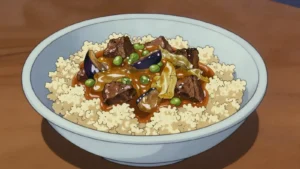 Thiérésteamed millet couscous with meat and vegetable-bean sauce
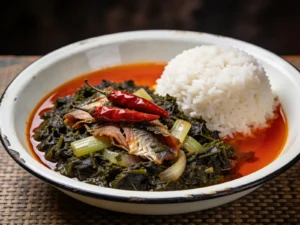 Saka sakaPounded cassava leaves cooked with palm oil, peanut and smoked fish
Aubergine is tagged on 121 dishes from 73 countries in the atlas. These notes are written from general knowledge and carry no per-fact citation — see About.