The dried leaf of the bay laurel — a background herb, faintly of eucalyptus and pepper, that makes a stock or braise taste finished without anyone being able to say why.
Where it comes from
The bay laurel is a Mediterranean evergreen and the tree whose leaves crowned Greek athletes and Roman generals; ‘laureate’ and ‘baccalaureate’ descend from it. As a kitchen herb it is used almost always dried, one or two leaves at a time, in anything simmered long: stocks, court-bouillons, béchamel, braises, brines, pickles and the milk for a rice pudding.
The Indian bay leaf, tej patta, is a different plant — the leaf of a cinnamon tree — with a warm, cinnamon-clove taste, and the two are not interchangeable. The Indonesian salam leaf and the West Indian bay used to make bay rum are different again. In an English-language recipe ‘bay leaf’ means the Mediterranean laurel.
Varieties
- Turkish (Mediterranean) bay — The standard: oval, matte, mild and rounded when dried. The bay of European cooking.
- Californian bay — A related tree with longer, glossier leaves and a much stronger, almost medicinal flavour. Use half as much.
- Tej patta (Indian bay) — Three-veined leaf of Cinnamomum tamala. Cinnamon-scented; used whole in biryanis and curries.
- Fresh bay — Picked from the tree. Sharper and greener than dried; a week or two on the shelf mellows it.
In the kitchen
One or two leaves is the dose for a pot that serves six. More does not make it taste more of bay; it makes it taste medicinal. Bay needs time and liquid — at least twenty minutes simmering — and does nothing in a quick sauté.
Take the leaves out before serving; they stay rigid and sharp-edged and are unpleasant to bite. Crumbled or ground bay is rare and best avoided for the same reason — it cannot be removed.
Choosing and keeping
Dried bay should still be green-grey and smell of something when snapped; brown, brittle, scentless leaves are years old and worth replacing. A jar lasts about a year.
A bay tree in a pot on a step will supply a kitchen for life, and leaves dried on a tray for a week or two are better than most bought ones.
Dishes with bay leaf
 SayadiehRed Sea fish over caramelised-onion spiced rice
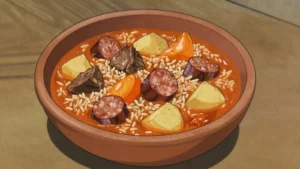 Guiso carreroSlow stew of pasta, meat and vegetables cooked in one pot
 Afeliapork braised in red wine with crushed coriander seed
 JambalayaCreole rice cooked with sausage, chicken, and shrimp
 SisigSizzling chopped pork face and chicken liver with calamansi and chili
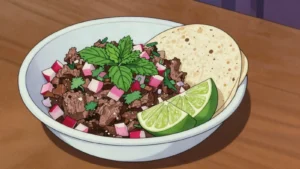 SalpicónMinced beef tossed with radish, mint, onion and lime
 Tripa mishquiGrilled cow intestine on skewers, served with hominy and potato
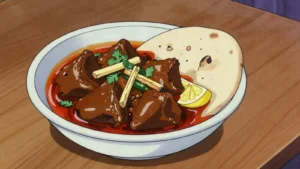 PayaGelatinous trotter stew simmered overnight, a hearty breakfast with naan
Bay leaf is tagged on 498 dishes from 161 countries in the atlas. These notes are written from general knowledge and carry no per-fact citation — see About.