The ridged green pod — bhindi in India, gumbo in Louisiana, lady’s fingers in old cookbooks — whose famous slipperiness is either the point of the dish or the thing the cook is trying to avoid.
Where it comes from
Okra is African, most likely domesticated in the Ethiopian highlands or West Africa, and it travelled everywhere Africans were taken: to Brazil, the Caribbean and the American South with the slave trade, to the Middle East and India with earlier traders. The Louisiana word gumbo is a West African word for okra, and the stew is named for the pod that thickens it. India grows and eats more than anywhere else.
Its mucilage — the sap that turns a cut pod slippery — is the thing to understand. In a gumbo, a Nigerian okra soup, a Brazilian caruru or a Middle Eastern bamia stew, that silkiness thickens and enriches the liquid and is exactly what is wanted. In Indian and Turkish cooking it is avoided: the pods are kept whole or fried hard and fast, or soured with lemon or tamarind, which stops the sap.
Varieties
- Green okra — The standard ridged pod, best under ten centimetres. Larger pods are woody.
- Red (burgundy) okra — Same plant, red skin that turns green when cooked. Slightly more tender.
- Baby okra (bamia) — Very small pods, often frozen or tinned; the Egyptian and Levantine stewing okra, left whole.
- Chinese okra (luffa) — Not okra at all but a ridged gourd cooked similarly in Asian kitchens.
In the kitchen
To keep it dry: leave the pods whole, or slice and fry hot in a wide pan without crowding until browned, adding acid — lemon, tamarind, tomato — which sets the surface. Indian bhindi masala is sliced okra fried until the slime cooks off, then spiced. Dry-roasting or grilling whole pods works the same way.
To use the silk: slice it and simmer in a soup or stew so the sap thickens the liquid — gumbo, Nigerian okro soup, Egyptian bamia with lamb and tomato. Okra pairs with tomato, onion, garlic, chilli, cumin, lemon and coriander, and with shrimp and smoked meat in the Americas.
Choosing and keeping
Small, firm, bright green pods that snap when bent; large, dull or spotted pods are woody and bitter. They keep two or three days in the fridge in a paper bag and dislike moisture.
Frozen okra is fine for stews and soups where the texture matters less. Dry the pods well before slicing and frying — wet okra steams and slimes.
Dishes with okra
 Superkanjaokra, palm oil, fish and greens stew served over rice
 Begova čorbacreamy chicken and okra 'bey's soup'
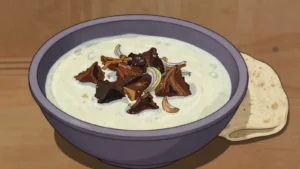 Mullah roubsoured milk stewed with dried okra powder and dried meat
 Mbahalrice cooked with dried fish, netetou, beans and bitter tomato
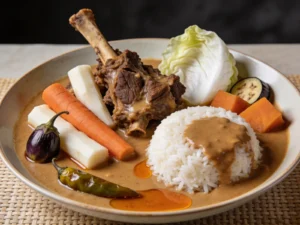 Mafépeanut-butter stew of meat and vegetables served over rice
 KajaikDried fish stew with okra, eaten with kisra or asida
 YakeyakeSteamed granules of fermented cassava dough eaten with stew
 AkpessiBoiled plantain or aubergine one-pot with smoked fish and palm oil
Okra is tagged on 80 dishes from 46 countries in the atlas. These notes are written from general knowledge and carry no per-fact citation — see About.