Ingredients
Meat
- 800 gbeef on the bone, in pieces
- 2 litreswater
- 2 teaspoonssalt
Base
- 2onions, chopped
- 5garlic cloves, crushed
- 4tomatoes, chopped
- 3 tablespoonstomato paste
- 4 tablespoonsoil
- 2 teaspoonsground cumin
- 1 teaspoonground coriander
- 1 teaspoonpaprika
- 2dried chillies, or to taste
- 2bay leaves
Vegetables
- 600 gpotatoes, in chunks
- 3carrots, thickly sliced
- 1green pepper, chopped
- 2courgettes, thickly sliced
To finish
- juice of 1 lemon
- a large handful of chopped coriander
- salt and black pepper
To serve
- bread
- dates
- lemon wedges
Directions
- Use beef on the bone rather than boneless. Cut it into fairly small pieces. Put the beef into a large pot. Cover it with all the cold water. Starting from cold draws flavour into the broth.
- Bring it slowly up to a simmer. Skim it off carefully with a spoon. Keep skimming until no more rises. Take your time over this step. Heat the oil in a separate wide pan. Add the chopped onions to the oil. Cook them for about eight minutes until soft.
- Add the crushed garlic and cook for one minute. Stir the tomato paste in as well. Fry it for a good two minutes. That frying takes the raw edge off it. Add the cumin, coriander and paprika. Add the dried chillies as well. Fry them for about one minute. Add a splash of water if they stick. Never let ground spices burn in the pan.
- Add the chopped tomatoes to the pan. Cook them down for about eight minutes. Tip the whole tomato base into the broth pot. Add the bay leaves to the pot. Season it with salt and black pepper. Stir it all together thoroughly.
- Bring it back up to a gentle simmer. Simmering it takes about an hour. Cover the pot and lower the heat. Let it cook for one full hour. The beef should become tender. Check the water level halfway through. Top up with hot water if it drops. Adding the vegetables is done by timing.
- Add the carrots and the potatoes first. Those take about twenty minutes. Add the green pepper after ten minutes. Add the courgettes for the last eight minutes. Courgettes collapse quickly if added early.
- Add hot water if it has reduced too far. Finishing it is done off the heat. Squeeze in the juice of the lemon. Stir in most of the chopped coriander. Taste it and adjust the salt to suit. Add more chilli if you want more heat. Let it stand covered for five minutes. Serving it is done hot in deep bowls.
- Ladle it out while it is still steaming. Scatter the rest of the coriander over. Serve bread alongside for dipping. It keeps three days refrigerated.
Technique
- Iftar begins with dates and water, and a soup like this follows before anything heavier, so the stomach settles gently after a day of fasting.
- The name is shared with soups across the Maghreb and beyond, appearing as chorba and shorba in other spellings of the same Arabic word.
Substitutions
- Lamb or mutton can replace the beef and cook in about the same time.
- Any firm vegetables work, and cooks use whatever the market has.
Variations
- Some households add vermicelli or rice to thicken it.
- A version with chickpeas is made in some families.
- Chorba frik in Algeria uses cracked green wheat in the same way.
History
The standard Ramadan opening dish in N’Djamena households, cooked in quantity and shared with neighbours.
Frequently asked questions
What is Chourbah?
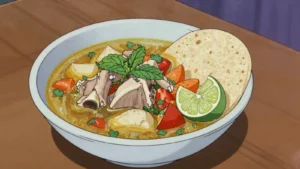
Chourbah is a soup & stew from Chad: beef soup with potato, carrot and chilli, taken to break the fast. The standard Ramadan opening dish in N’Djamena households, cooked in quantity and shared with neighbours.
How long does Chourbah take to make?
Chourbah takes 30 minutes of preparation and 1 hour 30 minutes of cooking. The recipe makes serves 8. It is rated easy to make.
What can I substitute in Chourbah?
Yes, within limits. Lamb or mutton can replace the beef and cook in about the same time. Any firm vegetables work, and cooks use whatever the market has.
What is the most important thing to get right in Chourbah?
Use beef on the bone rather than boneless. Cut it into fairly small pieces. Put the beef into a large pot. Cover it with all the cold water. Starting from cold draws flavour into the broth.