
Ingredients
Peppers
- 6large rocoto peppers
To tame them
- 2 litreswater
- 150 gsugar
- 150 mlvinegar
- 2 tbspsalt
Filling
- 500 gminced beef
- 2onions, finely chopped
- 4 clovesgarlic
- 2 tbspají panca paste
- 1 tspground cumin
- 1 tspdried oregano
- 60 graisins
- 60 gpeanuts, chopped
- 12black botija olives, chopped
- 3hard-boiled eggs, chopped
- salt and pepper
To bake
- 250 gqueso fresco or a firm white cheese, sliced
- 300 mlevaporated milk
- 2eggs, beaten
Pastel de papa
- 800 gpotatoes, thinly sliced
- 200 mlmilk
- 100 gcheese
- salt
To serve
- the potato gratin alongside
Directions
- Cut the tops off the peppers and keep them as lids. Scoop out all the seeds and the white veins inside. Almost all the heat is in the veins and seeds rather than the flesh, so take them out completely with a small spoon.
- Drain them, throw that water away, and repeat the whole boil with fresh water and fresh sugar. Taste a small piece after the third boil. It should be warm rather than fierce.
- Drain the peppers upside down on a rack. Fry the onions in oil over a medium heat for 12 minutes until deep golden. Take the onions properly golden rather than merely soft, because that sweetness is most of the flavour.
- Add the garlic, ají panca, cumin and oregano and fry 2 minutes. Ají panca is dark, mild and faintly smoky rather than hot, and it is the everyday Peruvian chilli paste. Add the mince and cook it hard until browned and dry. Cook the filling until it is genuinely dry, because a wet filling makes the pepper collapse in the oven.
- Take it off the heat and fold through the raisins, peanuts, olives and chopped egg. Add those at the end rather than cooking them, so they stay distinct. Cool the filling, then pack it into the drained peppers.
- Lay a slice of cheese over the filling and put the lid back on each pepper. Stand them in a baking dish, packed close together so they hold each other upright. Beat the evaporated milk with the eggs and pour it around the peppers. Layer the thinly sliced potato in a separate dish with milk, cheese and salt.
- Bake both at 180°C (355°F) for 40 to 45 minutes. The peppers are done when the cheese has melted, the custard has set and the skins are soft and slightly blistered. Rest them 10 minutes before serving.
Technique
- Rocotos are sold frozen or in jars outside Peru, already partly prepared.
- The heat varies enormously between peppers, so always taste after boiling.
- It reheats well, covered, in a low oven.
Substitutions
- Large red bell peppers with a chopped rocoto or habanero in the filling, which is a different but workable dish.
- Jarred rocotos, which are already tamed.
Variations
- Made with chicken or with a mix of beef and pork.
- Vegetarian, with mushrooms and cheese.
- Served without the potato gratin, which Arequipeños would consider incomplete.
History
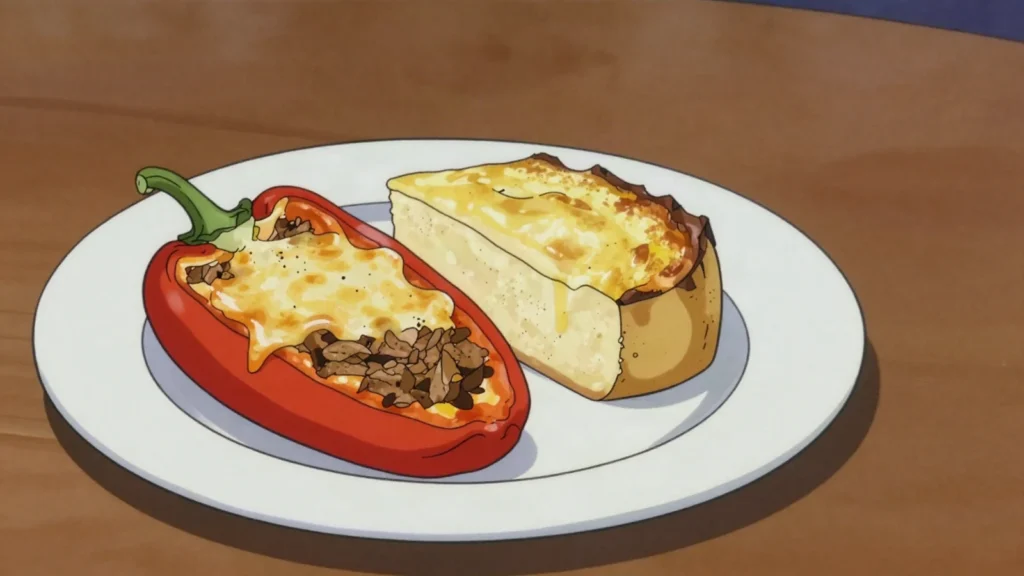
A rocoto pepper, a specific fiery Andean chili variety distinct from and generally hotter than more widely known chilies, hollowed out and stuffed with a savory filling of ground meat, olive, egg and raisin, then baked, most strongly associated with the Peruvian city of Arequipa, where it is considered one of the region’s defining traditional dishes. Rocoto peppers themselves are native to the Andes and were cultivated there for many centuries before Spanish colonization, distinguishing the pepper’s own history from many other now-common chili varieties that spread from different parts of the Americas following European contact. Properly preparing rocoto relleno requires first parboiling the pepper to reduce some of its intense heat, a technique developed and refined specifically within Arequipa’s culinary tradition over generations.
Frequently asked questions
What is Rocoto relleno?
Rocoto relleno is a main from Peru: arequipa’s hot rocoto pepper stuffed with beef, baked with cheese. A rocoto pepper, a specific fiery Andean chili variety distinct from and generally hotter than more widely known chilies, hollowed out and stuffed with a savory filling of ground meat, olive, egg and raisin, then baked, most strongly associated with the Peruvian city of Arequipa, where it is considered one of the region’s defining traditional dishes. Rocoto peppers themselves are native to the Andes and were cultivated there for many centuries before Spanish colonization, distinguishing the pepper’s own history from many other now-common chili varieties that spread from different parts of the Americas following European contact. Properly preparing rocoto relleno requires first parboiling the pepper to reduce some of its intense heat, a technique developed and refined specifically within Arequipa’s culinary tradition over generations.
How long does Rocoto relleno take to make?
Rocoto relleno takes 1 hr plus soaking of preparation and 45 min of cooking. The recipe makes 6 servings. It is rated hard to make.
What can I substitute in Rocoto relleno?
Yes, within limits. Large red bell peppers with a chopped rocoto or habanero in the filling, which is a different but workable dish. Jarred rocotos, which are already tamed.
What is the most important thing to get right in Rocoto relleno?
Cut the tops off the peppers and keep them as lids. Scoop out all the seeds and the white veins inside. Almost all the heat is in the veins and seeds rather than the flesh, so take them out completely with a small spoon.