Meat ground or chopped fine — beef, lamb, pork, veal, or a mix — the most economical way to eat meat and the basis of an astonishing share of the world’s dishes: meatballs, kofte, burgers, dumplings, ragù, kibbeh, keema, shepherd’s pie and larb.
Where it comes from
Chopping meat fine is as old as the knife: it makes tough cuts tender, stretches a little meat with grain and vegetables, and lets a cook shape and season it at will. Every culture has its mince dishes — the Middle East’s kofte and kibbeh, the Balkans’ ćevapi, Italy’s polpette and ragù, Germany’s Frikadellen, Sweden’s köttbullar, India’s keema, China’s dumplings and lion’s head meatballs, Thailand’s larb, Mexico’s picadillo, the hamburger. The hand-cranked mincer of the nineteenth century made it a home process; the industrial grinder made it cheap.
What is minced and how coarsely changes everything. Fatty cuts — beef chuck, pork shoulder, lamb neck — mince into juicy meatballs and burgers; lean mince is dry. A coarse grind keeps texture for a ragù or a burger; a fine one, or a double pass, makes the smooth paste of a kofte or a Chinese dumpling filling. Hand-chopped meat, the traditional way for steak tartare, larb and Lebanese kibbeh nayyeh, has a texture no machine gives.
Varieties
- Beef mince — From chuck, brisket or a mix; 15–20% fat is right for burgers and meatballs, 10% for a dry cook. The mince of ragù, chilli, burgers and Cornish pasties.
- Lamb mince — From shoulder or neck; fattier and stronger. The Middle Eastern, Indian and Greek mince — kofte, keema, moussaka.
- Pork mince — From shoulder; rich and soft. The Chinese dumpling, Italian meatball, German and Scandinavian mince.
- Veal mince — Lean, delicate, pale; softens a beef or pork mix in Italian and French meatballs.
- Mixed mince (beef and pork, or with veal) — The classic meatball and meatloaf mix: beef for flavour, pork for fat and tenderness.
- Turkey and chicken mince — Lean, mild; needs fat or moisture added — grated onion, oil, breadcrumbs soaked in milk.
In the kitchen
For tender meatballs and kofte, use fatty mince and handle it lightly: mix seasoning through with the fingers, add a binder (soaked bread, grated onion, egg) if the recipe wants one, and do not overwork it, which makes it dense. Chill shaped meatballs before cooking so they hold. For a burger, salt only the outside just before cooking; salt worked through the mince tightens it.
For a ragù or a keema, brown the mince in a hot wide pan in batches so it sears rather than steams, breaking it up, then build the sauce on it and cook long. Fresh mince should be cooked the day it is bought or the next; it spoils faster than whole cuts because of its surface area, and it should be cooked through — the exception is tartare and kibbeh nayyeh, made from meat minced to order from a trusted butcher.
Choosing and keeping
Buy mince the day you cook it, from a butcher who grinds it fresh from a named cut if possible, or mince your own from chuck or shoulder in a food processor in short pulses. Fresh mince is bright and smells clean; grey, sticky or sour-smelling mince is off. The colour change inside a pack from red to brown-grey is oxidation and is normal.
Raw mince keeps a day or two in the fridge and three months frozen, flat in a bag so it thaws fast. Cooked mince dishes keep three or four days and freeze well.
Dishes with minced meat
 Warak enabvine leaves rolled around rice and meat, simmered with lemon
 Sausage RollSeasoned sausage mince wrapped in flaky puff pastry, bakery staple
 PirukadLittle baked buns filled with meat, cabbage, or carrot.
 Arepa de huevoFried maize arepa split, filled with a whole egg, then fried again
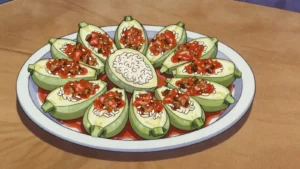 Kousa mahshicored courgettes stuffed with rice and lamb, simmered in tomato or yoghurt
 Magwinyagolden fat cakes, deep-fried dough sold everywhere
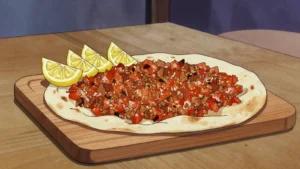 Lahm bi ajinthin Aleppo flatbread baked with minced lamb, pomegranate molasses and pepper
 Makaronia tou fournouCypriot baked pasta with mince and halloumi béchamel
Minced meat is tagged on 223 dishes from 117 countries in the atlas. These notes are written from general knowledge and carry no per-fact citation — see About.