
Ingredients
Porridge
- 400 gmillet flour
- or 400 g fine millet couscous
- 1.5 litreswater
- 1/2 teaspoonsalt
Groundnut
- 200 ggroundnut paste
- or 200 g unsweetened peanut butter
- 300 mlhot water, for loosening
To finish
- 500 mlsour milk or plain yoghurt
- 150 gsugar, or to taste
- a pinch of salt
- grated nutmeg, optional
- a splash of vanilla, optional
Sometimes added
- raisins
- a piece of baobab fruit pulp
- orange flower water
Directions
- Flour gives a smooth porridge. Mix the millet flour with cold water first. Make a smooth thin slurry with no lumps. Adding flour to hot water gives lumps forever.
- Bring the rest of the water to a boil. Add the salt to the boiling water. Pour the slurry in while stirring hard. Keep stirring as it comes back to the boil. Cooking the porridge takes patience.
- Let it cook for about twenty-five minutes. Stir it regularly with a wooden spoon. Add hot water if it becomes too stiff.
- Steam the millet couscous over water. Give it about twenty full minutes. Put the groundnut paste in a bowl. Add hot water a little at a time. Whisk it into a smooth thin cream each time.
- Work out every lump before it goes near the pot. Adding thick paste straight in leaves lumps forever. Pour the loosened groundnut into the porridge. Stir it right through thoroughly. Let it cook together for ten minutes.
- Stir it constantly during that time. A film of oil should form on top. Add hot water if it has gone too thick. Sweetening it is done at the end. Add the sugar and stir until it dissolves.
- Add a good pinch of salt as well. Add nutmeg or vanilla if you want them. Taste it and adjust the sugar. It should be gently sweet rather than a dessert. Spoon the porridge into bowls. Scatter raisins over if you want them. It keeps two days refrigerated.
Technique
- Gerteh is the Mandinka word for groundnut, and the dish joins millet and groundnuts, the two staples of the Gambian farm.
- Millet tolerates drought far better than maize, which is why it is the traditional grain across the Sahel.
- The sour milk poured over the top is not optional, since its sourness balances the richness of the groundnut.
Substitutions
- Unsweetened natural peanut butter replaces groundnut paste directly.
- Plain yoghurt thinned with a little water stands in for sour milk.
Variations
- Some households use fine millet couscous rather than flour for a grainier texture.
- Baobab fruit pulp is added in some families for extra sourness.
- Ngalakh in Senegal is a closely related ceremonial millet and groundnut dish.
History
Gerteh is Mandinka for groundnut; the porridge combines the two staples of the Gambian farm and is served at ceremonies and funerals.
Frequently asked questions
What is Chura gerteh?
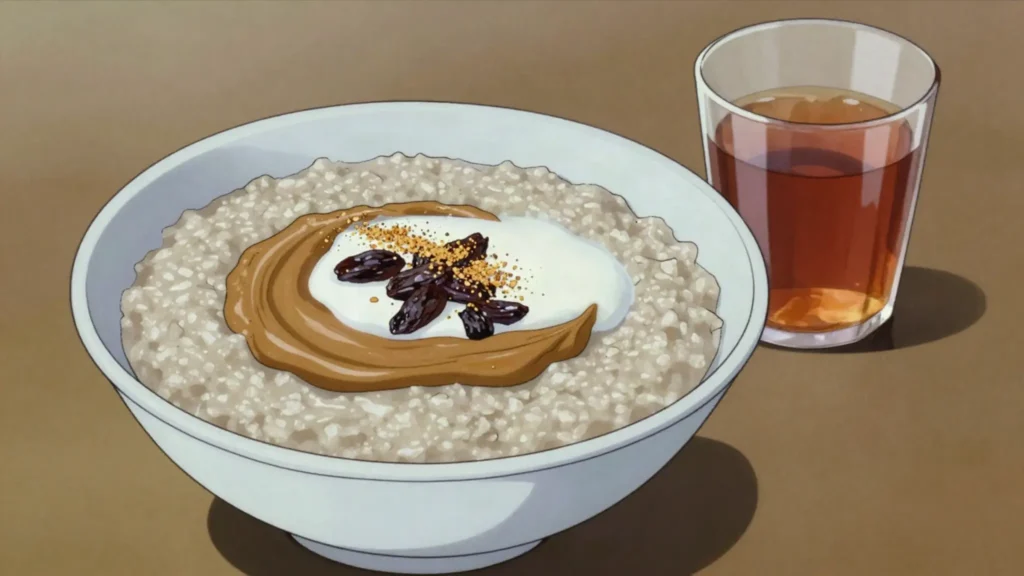
Chura gerteh is a breakfast from Gambia: millet porridge with peanut paste and sour milk, eaten from a bowl. Gerteh is Mandinka for groundnut; the porridge combines the two staples of the Gambian farm and is served at ceremonies and funerals.
How long does Chura gerteh take to make?
Chura gerteh takes 20 minutes of preparation and 40 minutes of cooking. The recipe makes serves 6. It is rated easy to make.
What can I substitute in Chura gerteh?
Yes, within limits. Unsweetened natural peanut butter replaces groundnut paste directly. Plain yoghurt thinned with a little water stands in for sour milk.
What is the most important thing to get right in Chura gerteh?
Add a good pinch of salt as well. Add nutmeg or vanilla if you want them. Taste it and adjust the sugar. It should be gently sweet rather than a dessert. Spoon the porridge into bowls. Scatter raisins over if you want them. It keeps two days refrigerated.