The clear, fragrant distillate of rose petals — and its companion, orange blossom water — the perfume of Persian, Turkish, Arab, Indian and North African sweets, a few drops at a time.
Where it comes from
Rose water is a by-product of making rose oil: petals of the damask rose are steam-distilled, the precious oil floats off, and the scented water beneath is bottled. The technique was perfected in Persia around the ninth century and Persian rose water was exported to China in the west and the Roman East; Iran, Bulgaria and Turkey’s Isparta region remain the centres of damask rose growing, and Kashan in Iran holds an annual harvest festival for it.
Orange blossom water is made the same way from the flowers of the bitter orange and is the more common of the two in North Africa and the Levant — in Moroccan pastries, Lebanese white coffee (which is hot water and orange blossom) and in the syrup for baklava and Egyptian and Lebanese sweets. Both appear in Indian sweets and drinks, rose in particular — in gulab jamun, whose name means ‘rose berry’, in falooda and in lassi. Kewra, distilled from the screwpine flower, is the third, used in biryani.
Varieties
- Rose water — Clear, strongly scented. Persian and Lebanese brands are usually the best; Turkish and Indian are widely sold.
- Orange blossom water — Clear, sharper and greener than rose. Moroccan, Lebanese and Tunisian brands.
- Kewra (screwpine) water — Sweet and musky; a few drops in a biryani or a Mughal sweet.
- Dried rose petals and buds — Crumbled into ras el hanout and advieh and scattered over Persian dishes; steeped for tea.
- Rose syrup — Rose water sweetened and coloured; for falooda and rose milk.
In the kitchen
Measure in drops and teaspoons, never tablespoons. A teaspoon of rose water perfumes a syrup for a tray of baklava, a bowl of rice pudding or a jug of lemonade; a tablespoon makes them taste of soap. Add it at the end, off the heat — its scent is volatile and cooking drives it off.
Rose goes with pistachio, cardamom, honey and cream; orange blossom with almonds, honey, cinnamon and dates. Both belong in a sugar syrup for pastries and in cold drinks. A splash of orange blossom water in a Moroccan salad of oranges and cinnamon is the classic use.
Choosing and keeping
Buy from a Middle Eastern or Indian grocer, where the bottles turn over; food-grade rose water is not the same as the cosmetic kind, which may carry alcohol or preservatives. A good one is clear and smells of fresh roses rather than perfume.
Kept sealed in a cool cupboard a bottle lasts a year or two, slowly fading. Dried petals should be deeply coloured and scented; grey, scentless ones are decoration only.
Dishes with rosewater
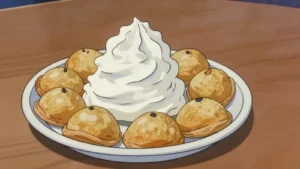 Karabij HalabNut-stuffed semolina domes served under a cloud of white soapwort cream.
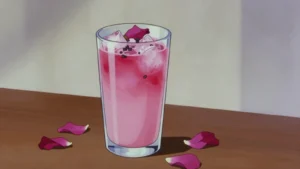 Rooh AfzaRose and herb syrup stirred into milk or water, the standard iftar cooler
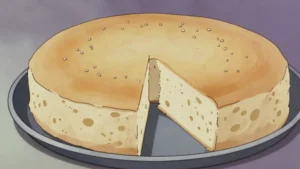 Mkate wa siniaFermented rice and coconut batter baked into a soft tray cake
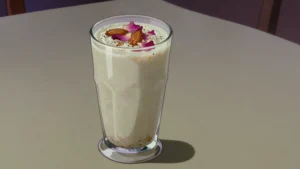 ThandaiCold milk ground with almonds, fennel, poppy seed, pepper and rose
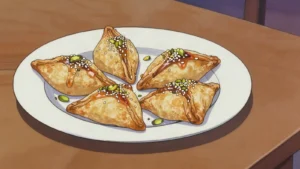 Samsalayered pastry squares of almond and sesame steeped in rose syrup
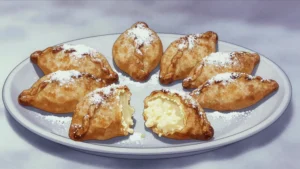 Bourekia tis anarisFried pastry parcels of sweet anari cheese, dusted with sugar and cinnamon.
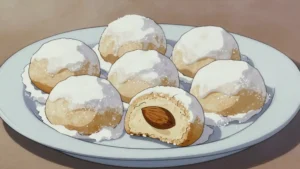 KourabiedesButtery almond shortbread buried under thick icing sugar.
 Gers ogailysaffron-cardamom sponge cake sprinkled with sesame
Rose water and the floral waters is tagged on 186 dishes from 65 countries in the atlas. These notes are written from general knowledge and carry no per-fact citation — see About.