
Ingredients
Pasta
- 400 gplain flour, or half durum semolina
- about 200 ml warm water
- 1 tspsalt
- 1 tbspolive oil, optional
Ragù
- 300 gminced beef and pork
- 1onion
- 1carrot
- 1 stickcelery
- 150 mlred wine
- 400 gtinned tomatoes
- olive oil
- salt and pepper
Or, vegetable
- 2courgettes
- 200 gcherry tomatoes
- garlic and chilli
- basil
- olive oil
To serve
- grated Parmigiano or pecorino
Equipment
- a board
- your hands, and nothing else
Directions
- Mix the flour and salt, then add warm water gradually. Add the water a little at a time and stop as soon as it comes together, because the amount varies with the flour.
- Knead it hard for 10 minutes until it is smooth and firm. Knead it properly. It should be noticeably firmer than an egg pasta dough. Wrap it and rest it 30 minutes. Now roll a portion out to about 2 mm thick.
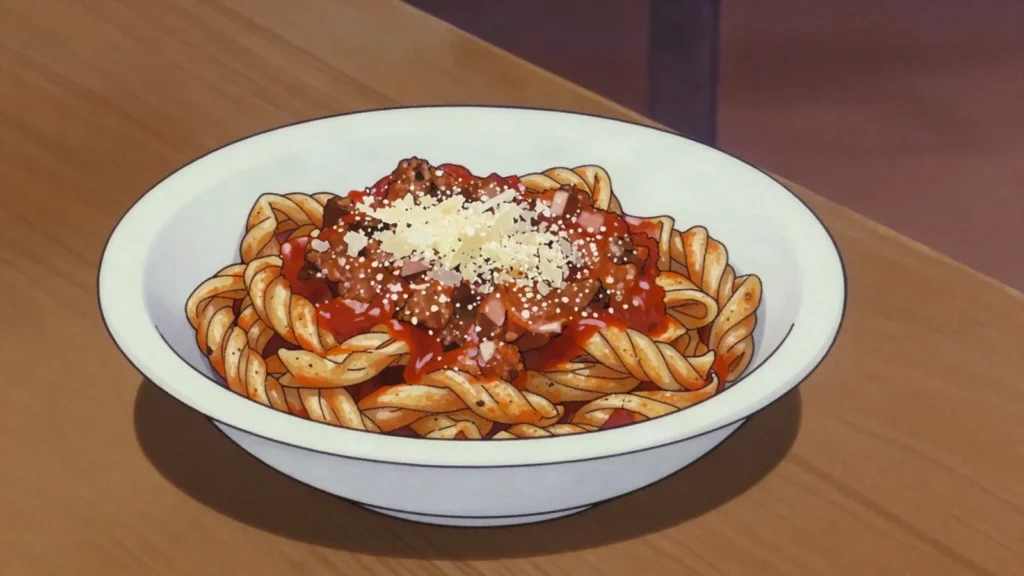
- Cut it into strips about 2 cm wide, then into pieces about 8 cm long. Now the shaping, which is the whole thing and takes practice. Take a strip and lay it across your palms. Roll it between your two hands, palm against palm, with a single quick twisting motion, then let it drop onto the board. The pieces should be uneven, twisted and slightly hollow, never uniform.
- Set them on a floured tray without touching. Dust them well with semolina, which stops them sticking to each other. They can be left to dry for an hour or used straight away.
- Add the wine and let it evaporate, then the tomatoes, and simmer for 2 hours. Cook the ragù long and slow rather than fast. Romagnolo ragù is meant to be thick and dark rather than a quick tomato sauce.
- Salt the water properly, as salty as a good broth, because this pasta has no egg and very little flavour of its own. Fresh strozzapreti cook in 3 to 5 minutes. Drain them, keeping a cup of the cooking water.
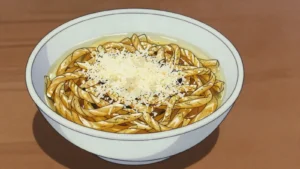
- Toss them in the sauce over the heat for a minute, adding a splash of the pasta water. That starchy water is what binds sauce to pasta, and tipping sauce over drained pasta in a bowl never gives the same result. Serve with grated cheese and eat immediately.
Technique
- The name’s origin is folk explanation rather than documented history.
- Similar hand-rolled shapes exist across central Italy under other names.
- They freeze well raw on a tray and are cooked from frozen.
Substitutions
- Dried strozzapreti, which are widely sold.
- Half durum semolina for a firmer bite.
Variations
- With a sausage and cream sauce.
- With courgette and cherry tomato, in summer.
- Made green with spinach in the dough.
History
The name means priest stranglers; folk explanations tie it to the tithes that Romagna and Montefeltro peasants paid the church in food.
Frequently asked questions
What is Strozzapreti?
Strozzapreti is a main from San Marino: hand-rolled twisted pasta of Romagna, served with ragù or vegetables. The name means priest stranglers; folk explanations tie it to the tithes that Romagna and Montefeltro peasants paid the church in food.
How long does Strozzapreti take to make?
Strozzapreti takes 1 hr plus 30 min resting of preparation and 5 min of cooking. The recipe makes 4 servings. It is rated medium to make.
What can I substitute in Strozzapreti?
Yes, within limits. Dried strozzapreti, which are widely sold. Half durum semolina for a firmer bite.
What is the most important thing to get right in Strozzapreti?
Cut it into strips about 2 cm wide, then into pieces about 8 cm long. Now the shaping, which is the whole thing and takes practice. Take a strip and lay it across your palms. Roll it between your two hands, palm against palm, with a single quick twisting motion, then let it drop onto the board. The pieces should be uneven, twisted and slightly hollow, never uniform.