The sweet, anise-and-clove-scented soft herb of Italian summer — and, in its Asian forms, the sharper, spicier basils that Thai and Vietnamese cooking depends on.
Where it comes from
Basil is a tropical plant of Indian and Southeast Asian origin that reached the Mediterranean in antiquity and became the defining herb of Ligurian and Neapolitan cooking: pesto is basil, and a Margherita is tomato, mozzarella and basil. It hates cold and bruises easily, both of which shape how it is used — raw, torn rather than chopped, and added at the end.
The Asian basils are different varieties with different oils. Thai basil is spicier and more anise-like and stands up to the heat of a stir-fry; holy basil (kaphrao) is peppery and clove-scented and is the basil of Thai pad kaphrao; lemon basil is used in Indonesian and Lao cooking. They are not interchangeable with sweet basil, and none of them make a pesto anyone would recognise.
Varieties
- Sweet (Genovese) basil — Large, tender, bright green leaves; sweet, clove-scented. The basil of pesto, caprese and tomato sauce.
- Thai basil (horapha) — Narrower leaves on purple stems; strong anise flavour that survives cooking. In green and red curries and pho.
- Holy basil (kaphrao) — Slightly hairy leaves, peppery and clove-like. The basil of Thai stir-fries; nothing like sweet basil.
- Lemon basil — Small leaves with a distinct citrus scent. In Indonesian and Lao dishes and Thai salads.
- Purple basil — Dark-leaved varieties of sweet basil, slightly less sweet; mostly for looks and vinegars.
- Greek (bush) basil — Tiny leaves on a compact plant, intensely aromatic; the basil kept in pots on Greek balconies.
In the kitchen
Sweet basil goes in last and raw, or nearly: torn over a pasta as it is served, stirred into a sauce after it comes off the heat, layered with tomato. Cooked more than a minute it goes dark and loses most of its perfume. Tear the leaves; chopping with a knife bruises and blackens them.
Thai and holy basil are the exceptions — thrown into a hot wok in the last thirty seconds they wilt and release their oils into the dish, which is the point. Pesto is best pounded in a mortar or blitzed very briefly; heat from a long blend turns it brown.
Choosing and keeping
Basil should be bright, unbruised and unwilted. Never refrigerate it in a cold fridge — the leaves blacken; stand a bunch in water on the counter out of the sun, or wrap it loosely in barely damp paper in the least cold part of the fridge.
Dried basil bears no relation to fresh and is not worth having. Leaves blended with oil and frozen in cubes keep the flavour for cooked dishes; frozen whole they turn black.
Dishes with basil
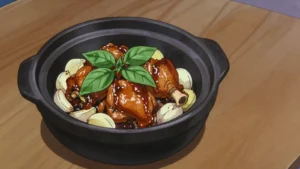 Three Cup ChickenChicken braised in soy sauce, rice wine and sesame oil with basil
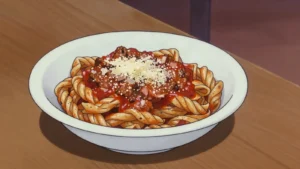 Strozzapretihand-rolled twisted pasta of Romagna, served with ragù or vegetables
 PhoBeef or chicken rice-noodle soup in star-anise scented broth
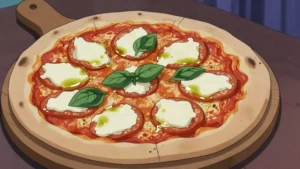 Pizza MargheritaNeapolitan wood-fired pizza with tomato, mozzarella, basil
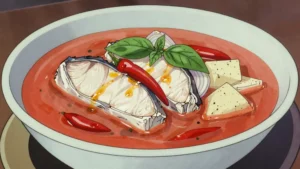 PepesupFiery fish pepper soup, weekend and celebration staple
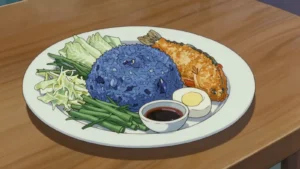 Nasi KerabuBlue rice dyed with butterfly pea flowers, served with herbs, fish and budu
 Chicago deep-dish pizzaTall buttery crust layered with cheese and chunky tomato
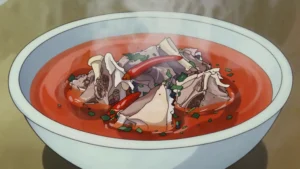 Pepper soupfiery clear broth of goat or fish with country peppers
Basil is tagged on 96 dishes from 43 countries in the atlas. These notes are written from general knowledge and carry no per-fact citation — see About.