
Ingredients
Oysters
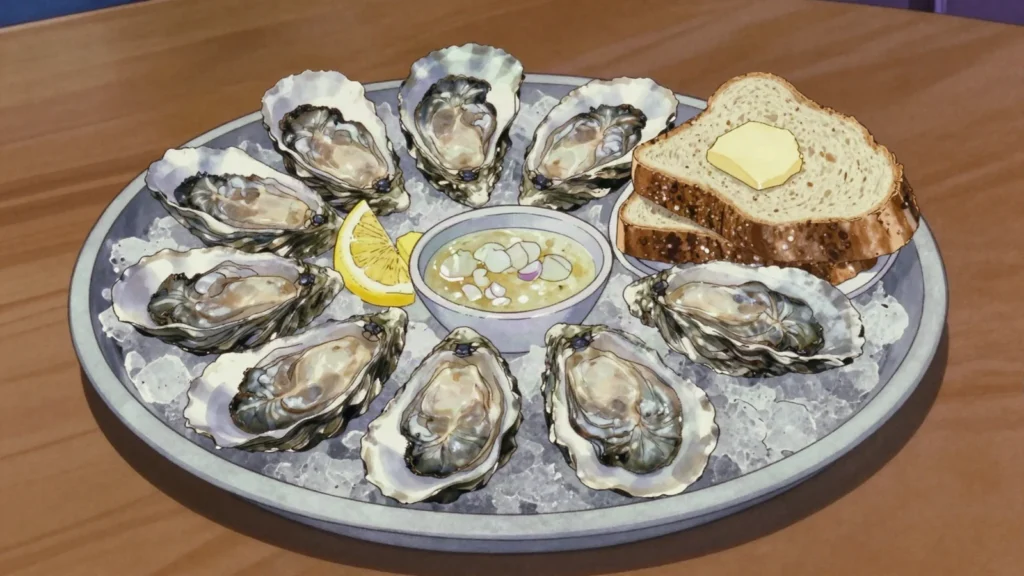
- 24Bluff oysters, in the shell
- or 24 fresh cold-water oysters
To serve raw
- lemon wedges
- a mignonette of shallot and vinegar, optional
- crushed ice, for the plate
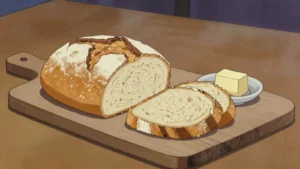
- brown bread and butter
Equipment
- an oyster knife
- a thick cloth or a chainmail glove
Directions
- Discard any that stay open at all. Discard any with a cracked or broken shell. They should smell clean and of the sea. Keep them in the refrigerator, cup side down. That keeps the liquor inside the shell.
- Cover them over with a damp cloth. Never store them in water or in a sealed bag. Wrap one hand in a thick folded cloth. Hold the oyster cup side down in the cloth.
- Work the tip of the knife into that hinge. Twist it rather than pushing hard. The shell should pop with a small sound.
- Cut the muscle holding it closed. Lift the top shell away and discard it. Cut the muscle attaching it to the bottom shell. Leave the oyster sitting in its own liquor. Never rinse that liquor away at all.
- Pick out any shell fragments with the knife tip. Discard any that look dull or smell wrong. Set them on a bed of crushed ice. That keeps them cold and holds them level.
- Serve fresh lemon wedges alongside. Eat them within minutes of opening. Tip the shell and take the oyster and liquor together.
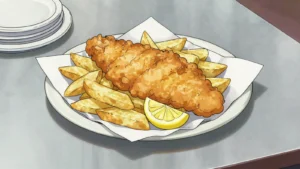
- Brown bread and butter goes alongside. A dry white wine or a stout is the usual drink. Dip them in flour, egg and breadcrumbs. Fry them for about ninety seconds until golden.
Technique
- The Bonamia parasite caused major mortality in the Foveaux Strait oyster beds in the 1980s and 1990s and the fishery has been tightly managed since.
- The species is a flat oyster, Ostrea chilensis, rather than the Pacific oyster farmed in most of the world.
Substitutions
- Any good cold-water oyster can be eaten the same way, though Bluff oysters have a particular reputation.
- Crumbing and frying them removes the raw shellfish risk entirely.
Variations
- Crumbed and fried Bluff oysters are as common in New Zealand as raw ones.
- Some people grill them briefly with butter and garlic.
- The annual Bluff Oyster Festival marks the opening of the season.
History
Dredged from Foveaux Strait in a season running March to August; the Bonamia parasite wiped out much of the fishery in the 1980s and 1990s.
Frequently asked questions
What is Bluff Oysters?
Bluff Oysters is a main from New Zealand: prized cold-water oysters from Foveaux Strait, eaten raw in season. Dredged from Foveaux Strait in a season running March to August; the Bonamia parasite wiped out much of the fishery in the 1980s and 1990s.
How long does Bluff Oysters take to make?
Bluff Oysters takes 20 minutes of preparation and none of cooking. The recipe makes serves 4 as a starter. It is rated medium to make.
What can I substitute in Bluff Oysters?
Yes, within limits. Any good cold-water oyster can be eaten the same way, though Bluff oysters have a particular reputation. Crumbing and frying them removes the raw shellfish risk entirely.
What is the most important thing to get right in Bluff Oysters?
Cover them over with a damp cloth. Never store them in water or in a sealed bag. Wrap one hand in a thick folded cloth. Hold the oyster cup side down in the cloth.