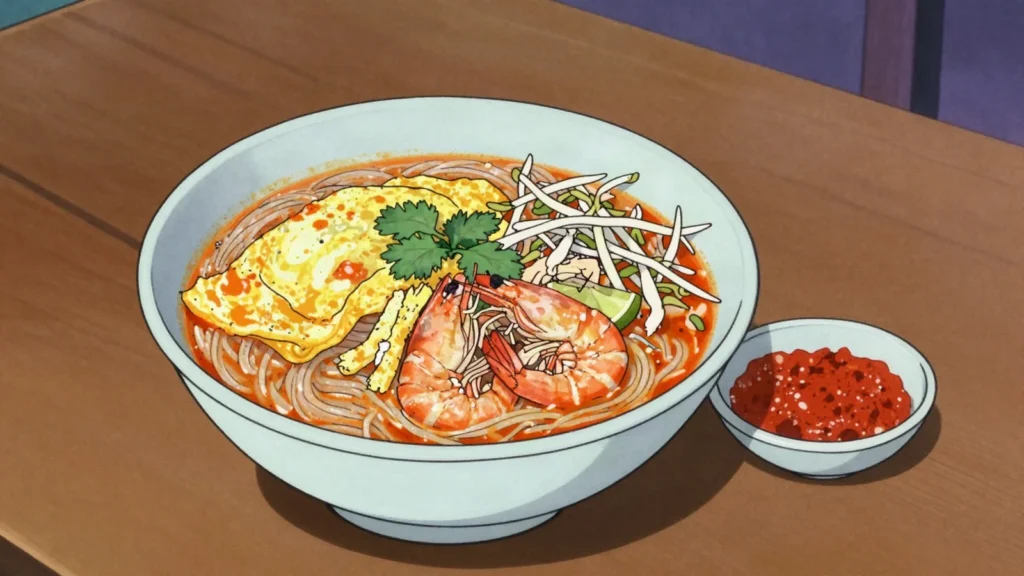

Ingredients
The paste
- 6 tablespoonsSarawak laksa paste
- shop bought is normal
- see the note
- or, to make it
- 10dried chillies, soaked
- 6shallots
- 6 clovesgarlic
- 2 stalkslemongrass
- tender part only
- a thumb of galangal
- 2candlenuts
- or macadamias
- 1 tablespoonbelacan, toasted
- 1 teaspoonground coriander
- 1 teaspoonground cumin
- half a teaspoon ground fennel
- half a teaspoon turmeric
- 1 teaspoontamarind pulp
The broth
- 4 tablespoonsoil
- 1.5 litreschicken stock
- or prawn stock
- 400 mlcoconut milk
- 200 mlthick coconut cream
- for the finish
- salt, to taste
- 1 teaspoonsugar
The toppings
- 2chicken breasts
- poached and shredded
- 300 graw prawns
- peeled, shells kept
- 3eggs, made into a thin omelette
- and sliced into strips
- 150 gbean sprouts
- blanched briefly
- a handful of coriander
- lime wedges
- sambal belacan, on the side
The noodles
- 400 grice vermicelli
- beehoon, soaked
Directions
- Wrap a piece in foil. Toast it in a dry pan two minutes a side. The smell fills a house and lingers for hours. Keep the prawn shells and heads. Simmer them in the stock for ten minutes.
- Strain them out, pressing hard. It is ten minutes well spent. Squeeze them hard when straining. Fry the paste properly. Heat the oil in a heavy pot. Add the paste. Fry it patiently for fifteen to twenty minutes. Stir it frequently. An underfried paste tastes sharp and thin.
- Add a splash of stock. Add the stock gradually. Stir it into the paste. Bring it to a simmer. Simmer it for twenty minutes. Add the thinner coconut milk. Simmer it ten minutes more. Never let coconut milk boil hard. Keep it at a bare simmer.
- Add it in the last five minutes. Sarawak laksa broth should not be thick. Season with salt and a little sugar. Taste it carefully. It should taste complete on its own. Poach it gently in stock or water. Give it about fifteen minutes. Let it cool in the liquid. It also takes up the broth better than sliced.
- Cut a piece to check. There should be no pink. Poach them briefly in the stock. Give them two minutes only. Beat the eggs with a pinch of salt. Heat a wide pan with a little oil. Pour in a thin layer. Swirl it to coat the pan. Cook it very thin. It should be a sheet rather than an omelette.
- Cook it until just set. Do not brown it. Roll it into a cylinder. Slice it across into fine strips. Warm omelette tears when rolled. Cool omelette slices cleanly. Refresh them in cold water.
- Soak it in hot water until pliable. Give it about ten minutes. Dip it briefly in boiling water to heat it before serving. Put noodles in each bowl. Arrange the toppings over them. Ladle the hot broth over. Do it at the table if you can.
- Scatter coriander. Serve lime wedges. Serve sambal belacan on the side. Squeeze it in generously. The broth keeps three days refrigerated. Freeze it before the coconut cream goes in if you can. Assembled bowls do not keep at all.
Technique
- Fry the paste fifteen to twenty patient minutes until it darkens and the oil separates and pools around it — pecah minyak, breaking the oil. That removes the raw harshness and concentrates the flavour, and an underfried paste tastes sharp and thin whatever else you do.
- Shop-bought Sarawak laksa paste is what almost everyone in Sarawak uses. The blends are long and complicated and making it from scratch is genuinely difficult — even the version given here is an approximation, since commercial pastes carry more spices than are listed. The atlas records that without disapproval.
- Never let coconut milk boil hard, and add the thick cream only in the last five minutes. It splits into grainy oil and will not come back.
- Keep the broth light. Sarawak laksa is not curry laksa — it should be a broth rather than a gravy, complex rather than rich, and thinned with stock if it goes heavy.
- Simmer the prawn shells and heads in the stock for ten minutes and press them hard when straining. The heads carry most of the flavour and it is ten minutes well spent.
- Season the broth to taste complete on its own. The noodles dilute it considerably.
- Shred the chicken by hand rather than slicing it. The texture is better and it takes up the broth properly.
- Two minutes for the prawns. A prawn curled into a loose C is done; curled into a tight O it is overcooked.
- Cook the omelette as a thin sheet, just set and not browned, then cool it before rolling and slicing. Warm omelette tears; cool omelette gives clean fine strips.
- Soak rice vermicelli rather than boiling it, then dip it briefly in boiling water to heat before serving. Boiling turns it to mush quickly.
- Blanch the bean sprouts thirty seconds and refresh them in cold water so they stay crunchy.
- Arrange the toppings in sections over the noodles rather than tossing them. That presentation is part of the dish.
- Toast the belacan wrapped in foil, two minutes a side, with the windows open. The smell fills a house and lingers for hours.
- Raw candlenuts are mildly toxic and always cooked in Southeast Asian use; frying them in the paste handles that. Macadamias substitute.
- The lime is essential rather than a garnish. It cuts a coconut broth that sits heavy without it.
- This contains shellfish, egg and often nuts. Shellfish allergy can cause anaphylaxis — say so plainly.
Substitutions
- Shop-bought Sarawak laksa paste replaces the homemade version and is what is normally used.
- Macadamia nuts replace candlenuts closely.
- Chicken stock replaces prawn stock if you buy the prawns peeled.
- Thin egg noodles replace rice vermicelli, though vermicelli is traditional.
- Firm tofu and mushrooms replace the chicken and prawns, though the belacan keeps it non-vegetarian.
- Leaving out the belacan and using soy for depth makes a vegan broth, at real cost to the character.
Variations
- Curry laksa on the peninsula is coconut-rich and yellow and a quite different dish.
- Asam laksa in Penang is sour and fish-based and different again.
- Kolo mee is the other great Sarawak noodle dish, dry and simple.
- Sarawak laksa served with only prawns, or only chicken, is common at stalls.
- Mee kolok and Sarawak’s other breakfast noodles come from the same shops.
- A version with more coconut cream is made for those who want it richer.
Frequently asked questions
What is Sarawak Laksa?
Sarawak Laksa is a soup & stew from Malaysia: sambal and coconut broth with vermicelli, omelette strips, prawns and shredded chicken.
How long does Sarawak Laksa take to make?
Sarawak Laksa takes 40 minutes of preparation and 1 hour of cooking. The recipe makes serves 4. It is rated hard to make.
What can I substitute in Sarawak Laksa?
Yes, within limits. Shop-bought Sarawak laksa paste replaces the homemade version and is what is normally used. Macadamia nuts replace candlenuts closely. Chicken stock replaces prawn stock if you buy the prawns peeled. Thin egg noodles replace rice vermicelli, though vermicelli is traditional. Firm tofu and mushrooms replace the chicken and prawns, though the belacan keeps it non-vegetarian. Leaving out the belacan and using soy for depth makes a vegan broth, at real cost to the character.
What is the most important thing to get right in Sarawak Laksa?
Add a splash of stock. Add the stock gradually. Stir it into the paste. Bring it to a simmer. Simmer it for twenty minutes. Add the thinner coconut milk. Simmer it ten minutes more. Never let coconut milk boil hard. Keep it at a bare simmer.