
Ingredients
The beans
- 400 gdried red kidney beans
- soaked overnight
- read the safety note first
- or 3 tins kidney beans
- drained and rinsed
The base
- 3 tablespoonsoil
- or coconut oil
- 2onions, finely chopped
- 4 clovesgarlic, crushed
- a thumb of ginger, grated
- 2tomatoes, chopped
- or 1 tablespoon tomato purée
- 1 teaspoonground cumin
- half a teaspoon turmeric
- 1green chilli, slit
- or to taste
- a curry leaf sprig, optional
The coconut
- 400 mlthin coconut milk
- or water
- 200 mlthick coconut milk
- for the finish
- or 1 tin coconut milk, separated
To finish
- salt, to taste
- black pepper
- juice of half a lime
- a handful of coriander, chopped
To serve
- rice, or coconut rice
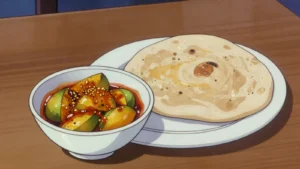
- chapati
- ugali
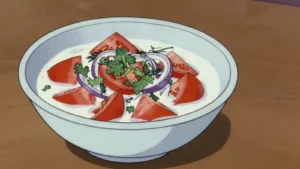
- a kachumbari salad
Directions
- Soak them for at least five hours. Discard the soaking water entirely. Then boil them hard for at least ten minutes. Drain and rinse them. Add them for the last twenty minutes only. Rinse them and pick out any stones. Cover them with plenty of cold water. Soak them overnight.
- Soak them in the refrigerator in warm weather. Beans left soaking warm begin to ferment. Drain and rinse the soaked beans. Put them in a large pot with fresh water. Bring them to a rolling boil. Boil them hard for ten minutes. Simmer them for about an hour. Old beans can take considerably longer.
- Salt added early can toughen the skins. They should be completely soft. Keep some of it. It is starchy and it helps thicken the dish. Heat the oil in a heavy pot. Add the chopped onions. Cook them for about ten minutes until soft.
- Add the garlic and ginger. Cook them for two minutes. Add the cumin and turmeric. Add the curry leaves if you have them. Cook briefly. Add the chopped tomatoes or the purée. Cook it down for about eight minutes. Add the cooked beans and the green chilli. Add the thin coconut milk. Add a little bean water if it looks dry.
- Simmer it gently for about twenty minutes. Never let it boil hard. Keep it at a bare simmer throughout. Mash some of the beans against the pot side. Leave most of the beans whole. Add it in the last five minutes. Simmer it very gently. Thick coconut cream splits most readily.
- Spoon the cream off the top. Use the thin liquid first and the cream at the end. Season with salt and black pepper. Taste it carefully. Add lime juice at the end. It should be thick and creamy.
- Add water or coconut milk to loosen it. This dish is mild rather than hot. Serve it hot with rice. Ugali is stiff maize porridge. Add water or coconut milk when reheating.
Technique
- Soak dried red kidney beans at least five hours, discard the soaking water, and boil them hard for ten full minutes before any simmering. Raw and undercooked kidney beans contain phytohaemagglutinin, which causes severe vomiting and diarrhoea, and as few as four or five raw beans can do it.
- Slow cooking at around 80 degrees makes kidney beans more toxic, not less, so a slow cooker is genuinely dangerous with them. That is documented and counterintuitive and worth knowing.
- Tinned kidney beans are fully cooked and carry no lectin risk. Drain, rinse and add them for the last twenty minutes only.
- Never let the coconut milk boil hard. It splits into grainy oil and will not come back.
- Use the thin coconut milk for the simmer and add the thick cream only in the last five minutes. Cream splits most readily and long cooking ruins its texture — do not shake the tin, and spoon the cream off the top to get both stages from one tin.
- Mash some of the beans against the side of the pot to thicken it. That works better than any added flour and keeps the dish tasting of itself.
- Keep some of the bean cooking water. It is starchy and useful for loosening the sauce later.
- Cook the beans until one crushes easily between finger and thumb with no chalky centre. Undercooked beans are unpleasant and hard to digest.
- Pick through dried beans for small stones before soaking. They genuinely do contain them.
- The lime at the end is necessary rather than optional. It cuts the richness of a coconut-heavy dish, which sits heavy without it.
- This is mild rather than hot. Swahili coastal food is aromatic more than fiery, and the chilli is there for fragrance.
- Coconut cooking is a coastal thing — inland Tanzanian food uses far less of it. The cumin, turmeric and curry leaves reflect centuries of Indian Ocean trade along the Swahili coast, which brought spices, rice and techniques, and also carried enslaved people.
Substitutions
- Tinned kidney beans replace dried entirely and remove the lectin question.
- Any bean works — black-eyed peas, pinto or borlotti — though kidney beans are standard.
- Water replaces the thin coconut milk, with the thick cream still added at the end.
- Coconut oil replaces vegetable oil and suits the dish.
- Tomato purée replaces fresh tomatoes out of season.
- Curry leaves are optional and give a genuine lift where you can get them.
Variations
- Maharage ya nazi with meat added is made where meat is affordable.
- Mchicha wa nazi cooks amaranth greens in the same coconut base.
- Wali wa nazi, coconut rice, is the classic partner and uses the same milk.
- Kunde ya nazi uses cowpeas instead of kidney beans.
- Mtori, the plantain and beef soup, is the other Tanzanian staple.
- A Kenyan version with more chilli is made along the same coast.
Frequently asked questions
What is Maharage ya nazi?
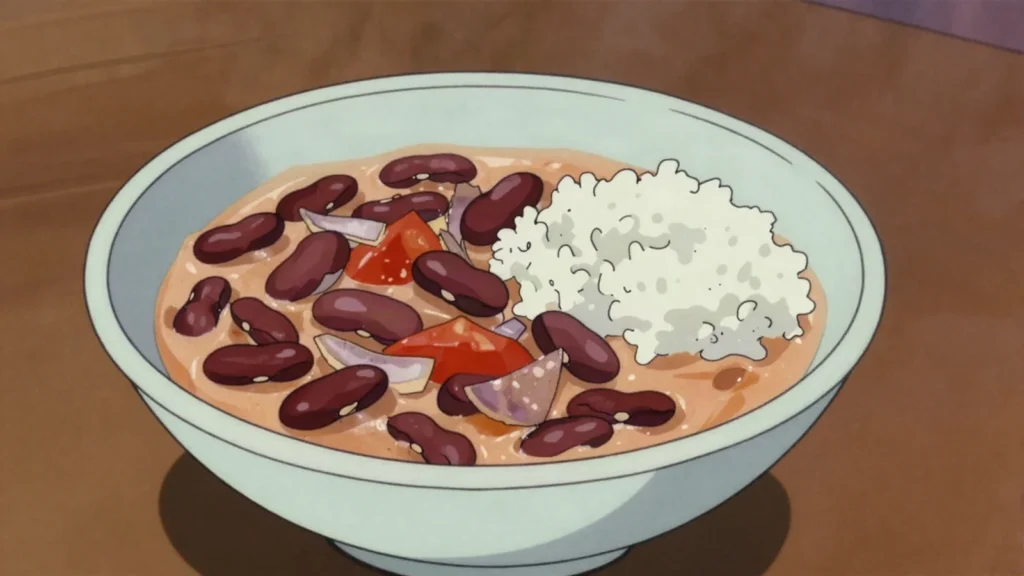
Maharage ya nazi is a salad & side from Tanzania: kidney beans simmered in coconut milk.
How long does Maharage ya nazi take to make?
Maharage ya nazi takes 15 minutes plus overnight soaking of preparation and 1 hour 30 minutes of cooking. The recipe makes serves 6. It is rated easy to make.
What can I substitute in Maharage ya nazi?
Yes, within limits. Tinned kidney beans replace dried entirely and remove the lectin question. Any bean works — black-eyed peas, pinto or borlotti — though kidney beans are standard. Water replaces the thin coconut milk, with the thick cream still added at the end. Coconut oil replaces vegetable oil and suits the dish. Tomato purée replaces fresh tomatoes out of season. Curry leaves are optional and give a genuine lift where you can get them.
What is the most important thing to get right in Maharage ya nazi?
Simmer it gently for about twenty minutes. Never let it boil hard. Keep it at a bare simmer throughout. Mash some of the beans against the pot side. Leave most of the beans whole. Add it in the last five minutes. Simmer it very gently. Thick coconut cream splits most readily.