The protein of the poor everywhere, and — paired with a grain — the combination that fed most settled civilisations before meat was affordable daily.
Where it comes from
The common bean, Phaseolus vulgaris, was domesticated twice in the Americas, in Mesoamerica and the Andes, and covers kidney, pinto, black, cannellini, borlotti and navy beans — all one species. Broad beans came out of the Near East, cowpeas and Bambara groundnuts out of West Africa, adzuki and mung out of Asia.
Beans and a grain together supply a complete set of essential amino acids, which neither does alone. That pairing shows up independently everywhere: rice and beans, tortillas and frijoles, dal and roti, beans on toast, ful and bread.
Varieties
- Kidney and pinto — Meaty, hold their shape. Chilli, refried beans, stews.
- Black beans — Dense, earthy, and they colour whatever they are cooked in. Latin American and Caribbean staples.
- Cannellini and haricot — Creamy and mild. Italian and French slow-cooked dishes, and baked beans.
- Borlotti — Streaked, nutty, collapse to a purée readily.
- Broad / fava — Ancient Old World bean. Eaten green and fresh, or dried for ful medames.
- Cowpea and black-eyed pea — West African in origin. Quick-cooking, no soak needed.
- Mung and adzuki — Small Asian beans, used savoury and sweet — adzuki mostly as a sweet paste.
- Runner and green beans — The immature pod eaten whole; a vegetable rather than a pulse.
In the kitchen
Salt does not stop beans softening — that is folk wisdom that has been tested and does not hold. Acid does: tomato, vinegar and lemon added early will keep beans hard for hours, so they go in once the beans are tender.
Soaking shortens cooking and makes it more even. It is not strictly required for most beans, but skipping it means a longer, less predictable cook.
Red kidney beans must be boiled hard for at least ten minutes. They contain a lectin that a slow cooker’s temperature does not destroy, and undercooked kidney beans are genuinely poisonous — this is the one bean rule that is not optional.
Choosing and keeping
Old dried beans never soften properly, however long they cook. There is no fix, and it is the usual reason a batch stays stubborn.
Tinned beans are cooked and salted; drain and rinse them if the liquid would muddy the dish, and keep it if you want the starch.
Dishes with beans
 Stew peasRed peas cooked in coconut milk with pig's tail and flour dumplings
 ChotpotiTangy pea-and-potato stew topped with grated egg and tamarind
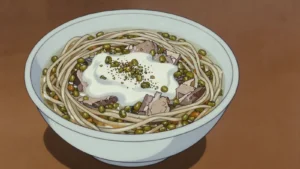 Unashthin homemade noodles in meat or bean broth
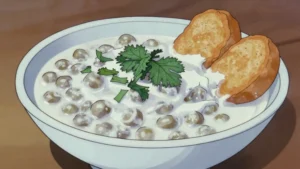 Mbaazi wa naziPigeon peas stewed in coconut milk, the classic partner to mahamri
 Atol shucoThick purple-corn atol with beans and pumpkin-seed alguashte
 Bob chorbamonastery-style bean soup with mint and savory
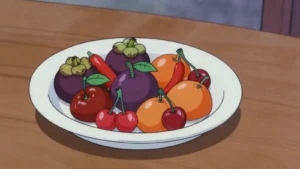 Luk ChupMung bean paste modelled into tiny fruits, painted and dipped in clear jelly
 Air Batu CampurShaved ice heaped with beans, jelly, sweetcorn and coloured syrups
Beans is tagged on 251 dishes from 127 countries in the atlas. These notes are written from general knowledge and carry no per-fact citation — see About.