The small, glossy, intensely aromatic leaf of a South Asian tree — nothing to do with curry powder — whose warm, nutty, citrus-and-anise scent is the signature of southern Indian and Sri Lankan cooking.
Where it comes from
The curry tree is native to India and Sri Lanka and its leaves have been in the cooking of the south — Tamil, Kerala, Karnataka, Andhra and Sri Lankan kitchens — for as long as there are records. The English name is an accident: the Tamil word kari means a sauce or a dish, the tree was named for the food it flavoured, and ‘curry powder’ was a British invention that borrowed the same word. Curry powder contains no curry leaf, and a curry leaf tastes nothing like curry powder.
The leaves grow in feathery sprigs of a dozen or more and are used fresh, whole, by the sprig. Their aroma is released by hot fat: the classic first step of a south Indian dish is to fry mustard seeds, dried chilli and a handful of curry leaves in oil until the leaves crackle, then pour that tempering over dal, rice, vegetables or yoghurt. They are also ground into chutneys and podi powders.
Varieties
- Fresh curry leaf — Dark green, glossy, pointed leaflets. Strong and aromatic; the only form worth having if it can be found.
- Frozen curry leaf — Nearly as good as fresh; the practical way to keep them where the tree does not grow.
- Dried curry leaf — Loses most of its scent within weeks of drying. Better than nothing, but only just.
In the kitchen
Fry them. A dozen leaves dropped into hot oil or ghee with mustard seeds spit and crackle for a few seconds and perfume the oil — the tempering that finishes a dal or a sambar and starts a coconut chutney or a curry. They can also go in early with the onions and cook down into the dish.
The leaves are usually left in and eaten, being small and tender once fried; some cooks pull the tough central sprig. They pair with coconut, mustard seed, chilli, tamarind and lentils — the whole south Indian palate.
Choosing and keeping
Buy fresh sprigs from an Indian grocer and freeze what you will not use within a week, in a bag, still on the stem; they keep for months and go straight into hot oil from frozen.
Fresh leaves should be glossy and springy with no yellowing. Dried leaves in a jar are a last resort and should be replaced often.
Dishes with curry leaf
 BaraSpiced split-pea fritters fried dark and eaten with chutney, an Indo-Fijian market snack
 Mchuzi wa pwezaZanzibari octopus curry in creamy coconut milk
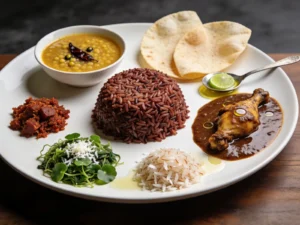 Rice and CurryDaily spread of rice with several vegetable, fish or meat curries
 RougailleCreole tomato, onion and thyme sauce with sausage, fish or prawns
 RasamThin peppery tamarind broth with tomato and curry leaf, poured over rice
 SambarTangy tamarind-lentil stew with vegetables, South Indian staple
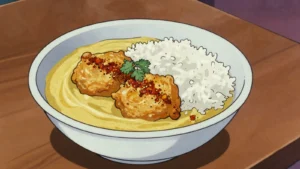 Kadhi PakoraTangy yoghurt and gram-flour gravy holding fried onion fritters, ladled over rice
 ParippuCreamy coconut-milk red lentil curry, the everyday companion
Curry leaf is tagged on 72 dishes from 14 countries in the atlas. These notes are written from general knowledge and carry no per-fact citation — see About.