Dried maize ground coarse or fine — polenta, grits, ugali, masa harina, cornflour — the staple starch of half the world, cooked into porridges, breads, dumplings and tortillas from the Andes to the Alps to East Africa.
Where it comes from
Maize is the American grain, domesticated in Mexico nine thousand years ago and carried to Europe, Africa and Asia in the sixteenth century, where it fed the poor so successfully that it became the staple of northern Italy (polenta), Romania (mămăligă), Southern Africa (pap, sadza), East Africa (ugali) and West Africa (kenkey, banku), often displacing older grains. Where it was eaten without the Mexican treatment of soaking in lime — nixtamalisation — it caused pellagra, a niacin deficiency, in poor populations from Spain to the American South.
That treatment is the key division. Plain cornmeal is dried maize ground: coarse for polenta and grits, medium for cornbread, fine for cornflour (cornstarch in America, a pure starch thickener). Masa harina is maize soaked in slaked lime, hulled and ground — the nixtamalised flour of tortillas, tamales, pupusas and arepas, with a distinct flavour and far better nutrition. Hominy is the whole nixtamalised kernel; grits are hominy ground; posole is hominy in a stew. The two kinds of flour are not interchangeable.
Varieties
- Coarse cornmeal / polenta — Yellow (or white) maize ground coarse; for polenta, mămăligă, grits, cornbread and coating for frying.
- Fine cornmeal / maize meal — For ugali, pap, sadza, kenkey and fine cornbreads; East and Southern Africa’s staple.
- Masa harina — Nixtamalised maize flour; for tortillas, tamales, sopes, gorditas. Mexican and Central American.
- Precooked maize flour (harina PAN) — Colombian and Venezuelan pre-cooked white or yellow maize flour for arepas and hallacas.
- Cornflour / cornstarch — Pure maize starch, white and silky; a thickener for sauces and custards and a crisping agent in batters.
- Hominy and grits — Whole nixtamalised kernels (tinned or dried) for pozole; and the same ground, for Southern grits.
In the kitchen
Polenta: whisk coarse cornmeal into salted boiling water or stock — four or five parts liquid to one of meal — then cook low, stirring often, for 40 minutes or more until it pulls from the sides of the pan; finish with butter and Parmesan, or pour onto a board to set and slice for grilling. Ugali and pap are the same idea stiffer and faster. Cornbread mixes meal with flour, buttermilk, egg and fat and bakes hot in a greased skillet.
Masa: mix masa harina with warm water and a little salt to a soft dough, rest it, then press balls thin between plastic in a tortilla press and cook on a hot dry comal for a minute a side. For tamales, beat masa with lard or oil and stock until fluffy. Cornflour thickens a sauce or a custard when slaked in cold liquid first and brought to a boil for a minute; it also makes a fried coating shatter.
Choosing and keeping
Cornmeal and polenta keep a year in a sealed container; stone-ground meal, which keeps some germ, goes rancid faster and is better refrigerated. Masa harina keeps a year sealed but loses flavour with age; fresh masa from a tortilleria keeps a day or two.
Buy masa harina from Mexican and Latin grocers; cornmeal is not a substitute for tortillas. ‘Quick’ or ‘instant’ polenta is precooked and finishes in minutes with less flavour and texture.
Dishes with cornmeal
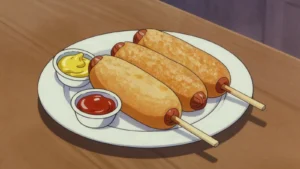 Corn dogBatter-dipped hot dog deep-fried on a stick
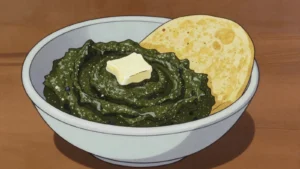 Sarson ka SaagSlow-cooked mustard greens with butter, eaten with maize bread in winter
 Kubbat HalabRice-shell croquettes filled with minced meat and almonds, deep fried golden.
 Llauchas paceñasBaked cheese pastry with a runny filling, eaten in the morning
 Shish barakmeat dumplings simmered in hot yoghurt sauce
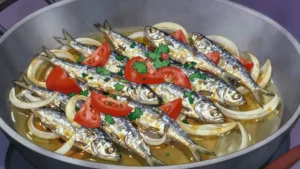 OmenaTiny sun-dried Lake Victoria sardines fried with onion and tomato
 Moreia fritaCrisp-fried marinated moray eel, beach bar favorite
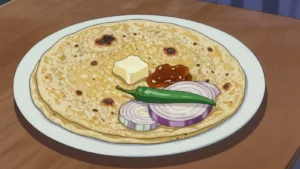 Makai ki RotiCoarse maize flatbread patted by hand, cooked on a griddle with butter
Cornmeal and maize flour is tagged on 403 dishes from 142 countries in the atlas. These notes are written from general knowledge and carry no per-fact citation — see About.