
Ingredients
Greens
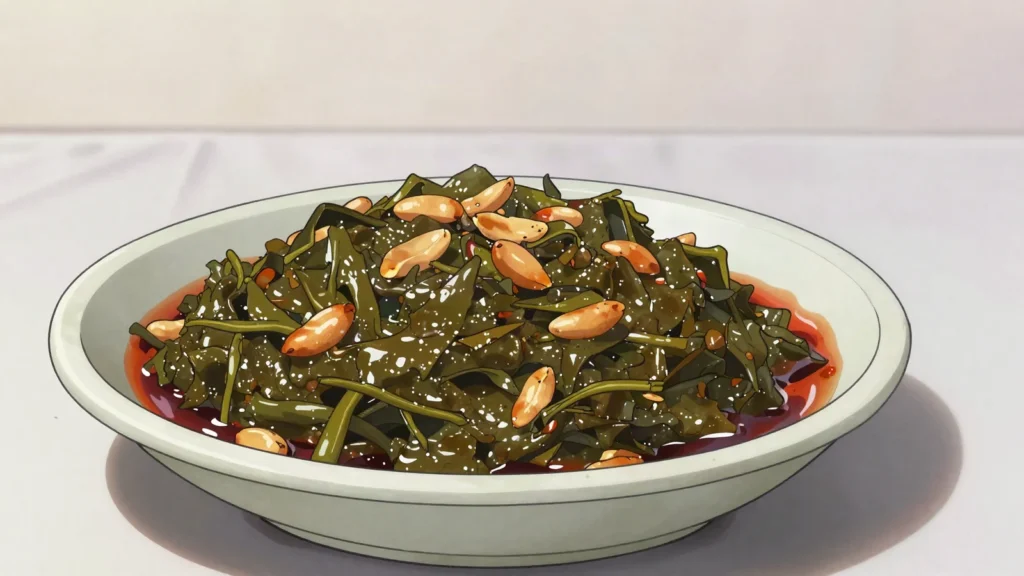
- 800 gpounded cassava leaves, frozen from an African grocer, or 1 kg fresh leaves, stripped and pounded to a paste
- 1.5 litreswater
- 1 tspsalt
Stew
- 3 tbspred palm oil or vegetable oil
- 2onions, chopped
- 4garlic cloves, crushed
- 3leeks or spring onions, sliced
- 2aubergines, cut into 2 cm dice
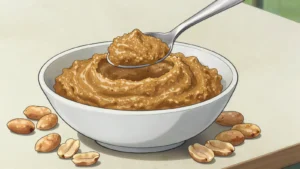
- 150 gsmooth peanut butter, or 180 g roasted peanuts, ground
- 2tomatoes, chopped
- 1green pepper, diced
- 1 tspsalt
- 1 tspground black pepper
To serve
- steamed rice, ubugali or boiled plantain
- Akabanga chilli oil, on the table
Directions
- Boil the pounded leaves in the salted water, uncovered, for 45–60 minutes. Never shorten this step: raw cassava leaves contain cyanogenic glycosides, and only thorough pounding and long boiling make them safe to eat.
- Add the tomato and green pepper and cook 5 minutes more to a thick base.
- Tip that base into the pot of leaves along with the diced aubergine and simmer 20 minutes, stirring often. The aubergine will collapse and help thicken the pot.
- Season with salt and plenty of black pepper.
- Serve hot beside rice, ubugali or boiled plantain, with Akabanga on the table for those who want it fierce.
Technique
- Cassava leaves must be pounded and boiled thoroughly. This is a genuine food-safety step and not tradition for its own sake; frozen pre-pounded leaves have been prepared but still need the full boil.
- Isombe in Rwanda and Burundi is the same dish as Congolese saka saka or pondu. The Rwandan version leans on aubergine and peanut and is very often made without any meat at all.
- Do not add the peanut butter early. Boiled hard with the leaves it splits and turns grainy, and the stew loses its gloss.
- It thickens further as it cools and is generally considered better on the second day.
Substitutions
- No cassava leaves: sweet potato leaves are the closest, then finely chopped collard greens or spinach cooked the same way, which give a looser texture and a milder flavour.
- No peanut butter: roasted peanuts ground with a little water to a paste, which is the older method.
- No palm oil: sunflower oil plus 1 tsp paprika gives the colour, though not the flavour.
Variations
- A version made with dried aubergine, common in villages out of season.
- Isombe with sweetcorn kernels stirred in for sweetness and texture.
- Served over ubugali, the stiff maize meal, it becomes a complete meal rather than a side.
History
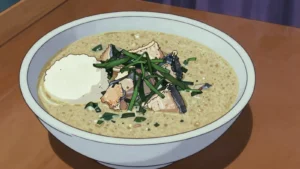
Cassava leaves pounded and simmered slowly with groundnut paste; boiling long enough removes the leaves’ natural cyanogens.
Frequently asked questions
What is Isombe?
Isombe is a soup & stew from Burundi: cassava leaves pounded and simmered with palm oil and peanuts. Cassava leaves pounded and simmered slowly with groundnut paste; boiling long enough removes the leaves’ natural cyanogens.
How long does Isombe take to make?
Isombe takes 30 min of preparation and 1 hr 30 min of cooking. The recipe makes 6 servings. It is rated medium to make.
What can I substitute in Isombe?
Yes, within limits. No cassava leaves: sweet potato leaves are the closest, then finely chopped collard greens or spinach cooked the same way, which give a looser texture and a milder flavour. No peanut butter: roasted peanuts ground with a little water to a paste, which is the older method. No palm oil: sunflower oil plus 1 tsp paprika gives the colour, though not the flavour.
What is the most important thing to get right in Isombe?
Boil the pounded leaves in the salted water, uncovered, for 45–60 minutes. Never shorten this step: raw cassava leaves contain cyanogenic glycosides, and only thorough pounding and long boiling make them safe to eat.