
Ingredients
Goat
- 1.5 kggoat meat, on the bone
- juice of 4 limes
- 6garlic cloves, crushed
- 2 teaspoonssalt
- 1 teaspoonblack pepper
- 1 teaspoondried oregano
- 100 mlrum, optional
Base
- 2onions, chopped
- 1red pepper, chopped
- 4tomatoes, chopped
- 2 tablespoonstomato paste
- 4 tablespoonsoil
- 1 teaspoonground cumin
- 2bay leaves
- 1chilli, chopped
To finish
- 800 mlcoconut milk
- 100 gpapelón or panela, grated
- salt and black pepper
- a handful of coriander, chopped
To serve
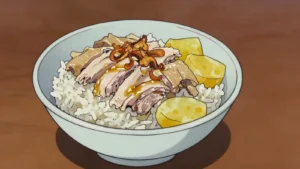
- plain white rice
- fried sweet plantain
- arepas
Directions
- Rub the meat all over with lime juice. Let it sit for twenty minutes. Then rinse it thoroughly under cold water. Put the washed goat in a large bowl. Add the crushed garlic and dried oregano. Add the salt and the black pepper. Add the rum if you are using it.
- Rub it all into the meat thoroughly. Cover it and refrigerate it now. Give it at least four full hours. Lift the goat out of the marinade. Pat the pieces dry with kitchen paper. Heat the oil in a heavy casserole.
- Brown the pieces in batches over a high heat. Do not crowd the pan at any point. Turn them so every side colours deeply. Lift them out and set them aside.
- Add the chopped onions to the same pan. Cook them for about eight minutes. Add the chopped red pepper to it. Cook it for about five minutes. Stir in the tomato paste and the cumin. Fry them for a good two minutes. Add the chopped tomatoes and the chilli.
- Cook them down for about eight minutes. Return the browned goat to the pan. Add the bay leaves to the pot. Add about half the coconut milk. Add water if the meat is not nearly covered.
- Bring it up to a gentle simmer. Cover it and lower the heat right down. Let it cook for about ninety minutes. Never let coconut milk boil hard. Check it every half hour and stir it. Judging the meat takes a fork. Add the rest of the coconut milk. Add the grated papelon to the pan.
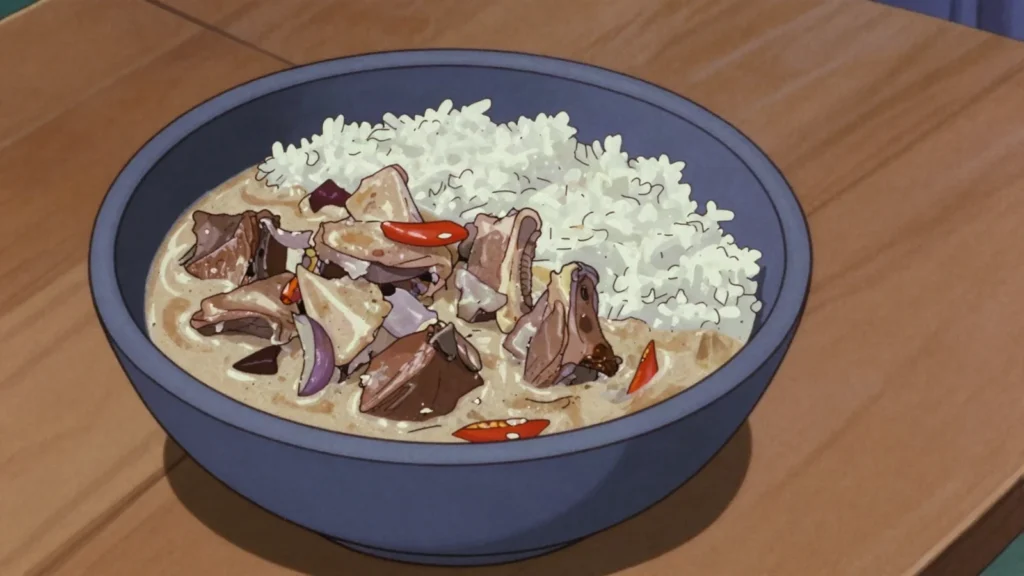
- Let it simmer uncovered for fifteen minutes. The sauce should be sweet and savoury together. Add more papelon if it tastes sharp. Add salt to bring it back if it is too sweet. Taste it and adjust carefully. It should coat the meat thickly. Spoon it into bowls over plain white rice. Scatter chopped coriander over the top. It keeps three days refrigerated.
Technique
- Falcon and Zulia are dry northwestern states where goats do well, and the Wayuu people have long herded them there.
- Papelon is unrefined whole cane sugar, the same product as panela, and brings a deep molasses sweetness to the sauce.
- Rubbing goat with lime and rinsing it before cooking is standard practice for taking the edge off its strong flavour.
Substitutions
- Lamb or mutton stand in for goat, though the flavour is milder and the cooking faster.
- Dark brown sugar replaces papelon with a simpler and less complex sweetness.
Variations
- Some households add potato or pumpkin to the pot.
- A version without the sugar is made in some families.
- Chivo guisado in the Dominican Republic is a related goat stew without coconut.
History
A Falcon and Zulia dish that joins Wayuu goat herding to Caribbean coconut; served with rice or fried plantain.
Frequently asked questions
What is Chivo en coco?
Chivo en coco is a main from Venezuela: goat stewed in coconut milk with papelon, from the arid northwest. A Falcon and Zulia dish that joins Wayuu goat herding to Caribbean coconut; served with rice or fried plantain.
How long does Chivo en coco take to make?
Chivo en coco takes 30 minutes plus marinating of preparation and 2 hours of cooking. The recipe makes serves 6. It is rated medium to make.
What can I substitute in Chivo en coco?
Yes, within limits. Lamb or mutton stand in for goat, though the flavour is milder and the cooking faster. Dark brown sugar replaces papelon with a simpler and less complex sweetness.
What is the most important thing to get right in Chivo en coco?
Brown the pieces in batches over a high heat. Do not crowd the pan at any point. Turn them so every side colours deeply. Lift them out and set them aside.