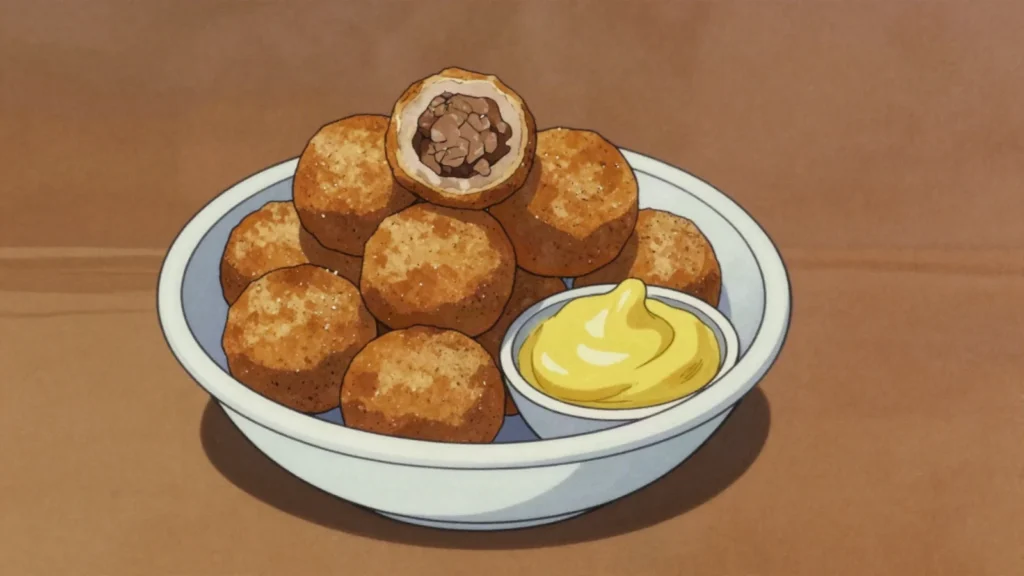

Ingredients
Meat
- 600 gbeef shin or chuck, in one piece
- 1onion, halved
- 1carrot
- 1bay leaf
- 6black peppercorns
- 1.2 litreswater
- 1 tspsalt
Ragout
- 80 gbutter
- 80 gplain flour
- 600 mlof the hot cooking stock
- 1small onion, very finely chopped and softened in butter
- 3 tbspflat parsley, finely chopped
- ½ tspfreshly grated nutmeg
- 1 tspWorcestershire sauce (optional)
- 1 tspsalt
- ½ tspwhite pepper
- 2 sheetsgelatine, softened (optional, for a firmer set)
Coating and frying
- 100 gplain flour
- 3eggs, beaten with 2 tbsp milk
- 250 gfine dried breadcrumbs (paneermeel)
- 2 litressunflower oil, for deep frying
To serve
- Grof Zaanse or Dijon mustard, in a small pot
Directions
- Simmer the beef with the onion, carrot, bay, peppercorns, water and salt, covered, at the barest bubble for 2 hours, until it pulls apart with two forks. Strain and keep the stock hot.
- Shred the meat very finely with two forks or chop it small; long strands make bitterballen that will not roll cleanly. You want about 350 g of shredded meat.
- Make a roux: melt the butter in a heavy pan over medium heat, stir in the flour and cook for 3–4 minutes, stirring constantly, until it smells biscuity and turns a pale sand colour.
- Add the hot stock a ladle at a time, beating smooth after each addition. Once it is all in, cook for 8–10 minutes, stirring, until it is very thick, glossy and pulls away from the sides of the pan in a mass.
- Fold in the shredded beef, the softened onion, parsley, nutmeg, Worcestershire, salt and pepper. The mixture should be almost too stiff to stir. Taste it now; it must be strongly seasoned because chilling mutes it.
- Spread it 2 cm thick in an oiled tray, press cling film directly onto the surface and refrigerate overnight. It must be cold and solid enough to cut into cubes, not scoopable.
- Roll the cold ragout into 25 g balls with wet hands. Set up three bowls: flour, egg wash, breadcrumbs.
- Coat each ball in flour, then egg, then crumbs, then go back through the egg and crumbs a second time. The double crumb is what stops them bursting in the fryer.
- Chill the coated balls for at least 30 minutes, then heat the oil to 180°C (350°F). Fry 5–6 at a time for 3–4 minutes, until deep even brown and floating high, keeping the oil temperature steady.
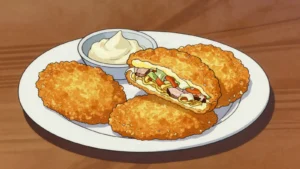
- Drain on a rack for 1 minute and serve at once, piled in a bowl with a pot of mustard. Warn people: the centre is molten and will burn a mouth for the first few minutes.
Technique
- The ragout has to be stiffer than you think. A soft ragout rolls badly, cracks in the crumb and bursts in the oil, so overnight chilling is not optional.
- Double breading is standard in Dutch cafes. Flour, egg, crumb, egg, crumb again gives an armour that survives 180°C (350°F) fat and a liquid centre.
- Bitterballen belong to the borrel, the late-afternoon drinks hour, and are always served with strong mustard and a beer or a jenever. The name comes from bittertje, an old term for a small bitter drink, not from any bitter flavour.
- Kroketten are the same ragout in a cylinder; bitterballen are the round bar version, and the recipe is identical.
Substitutions
- Veal, or a mix of veal and beef, is the older and slightly more refined version and can be used in the same quantities.
- No home-cooked beef: 350 g shredded slow-cooked pot roast, or good quality confit beef, with 600 ml strong beef stock, works well.
- The gelatine can be skipped entirely if the roux is thick enough; it is an insurance policy for the molten centre, not a traditional ingredient.
Variations
- Kalfsvleeskroketten, veal ragout in cylinder form, served on white bread with mustard.
- Garnalenkroketjes, made with brown shrimp and a shellfish stock, a coastal speciality.
- Cheese bitterballen, filled with a thick aged Gouda bechamel, the standard vegetarian option in Dutch bars.
History
Deep-fried, breaded balls filled with a thick, meat-based ragout, generally traced to Dutch cooking of the 1700s or 1800s as a way to use leftover stewed meat by binding it into a thick roux, chilling it, then shaping, breading and frying the mixture into a crisp shell around a molten center. Their name, meaning little bitter balls, is somewhat misleading, since bitterballen are not bitter at all; the name instead comes from their traditional pairing with bitter, a category of strong, herbal Dutch liqueurs, or jenever, served alongside them in bars, where the rich, salty snack was meant to complement a bitter drink rather than describe its own flavour. They remain a defining feature of Dutch bar and café culture, typically served with mustard for dipping.
Frequently asked questions
What is Bitterballen?
Bitterballen is a snack from Netherlands: crunchy fried balls of beef ragout, dipped in mustard. Deep-fried, breaded balls filled with a thick, meat-based ragout, generally traced to Dutch cooking of the 1700s or 1800s as a way to use leftover stewed meat by binding it into a thick roux, chilling it, then shaping, breading and frying the mixture into a crisp shell around a molten center. Their name, meaning little bitter balls, is somewhat misleading, since bitterballen are not bitter at all; the name instead comes from their traditional pairing with bitter, a category of strong, herbal Dutch liqueurs, or jenever, served alongside them in bars, where the rich, salty snack was meant to complement a bitter drink rather than describe its own flavour. They remain a defining feature of Dutch bar and café culture, typically served with mustard for dipping.
How long does Bitterballen take to make?
Bitterballen takes 45 min of preparation and 2 hr plus overnight chilling of cooking. The recipe makes about 30 bitterballen, 6 servings. It is rated medium to make.
What can I substitute in Bitterballen?
Yes, within limits. Veal, or a mix of veal and beef, is the older and slightly more refined version and can be used in the same quantities. No home-cooked beef: 350 g shredded slow-cooked pot roast, or good quality confit beef, with 600 ml strong beef stock, works well. The gelatine can be skipped entirely if the roux is thick enough; it is an insurance policy for the molten centre, not a traditional ingredient.
What is the most important thing to get right in Bitterballen?
Fold in the shredded beef, the softened onion, parsley, nutmeg, Worcestershire, salt and pepper. The mixture should be almost too stiff to stir. Taste it now; it must be strongly seasoned because chilling mutes it.