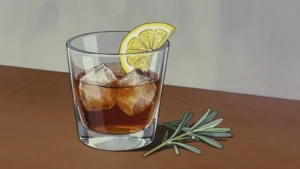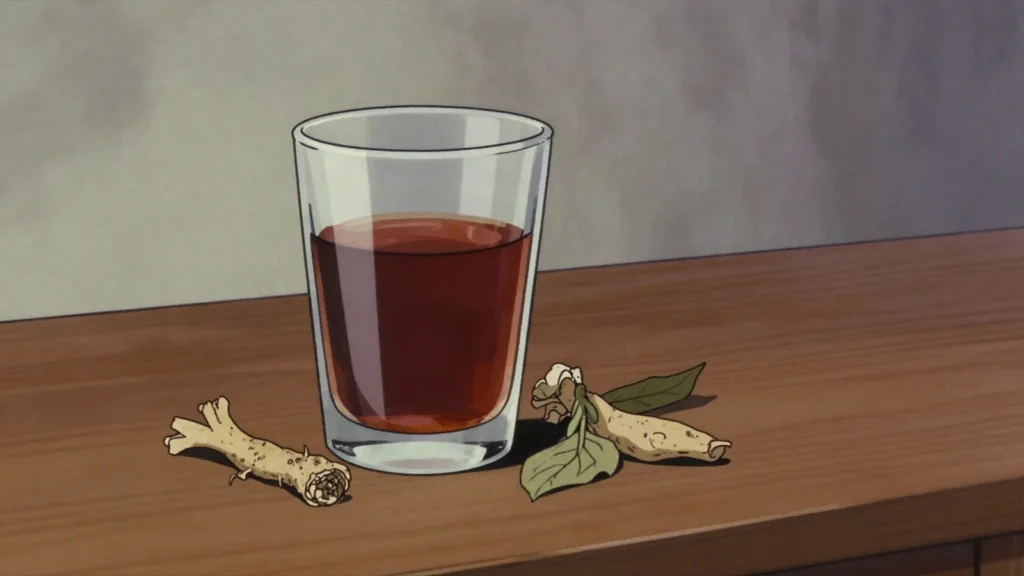

Herb-infused jenever drunk cold, and a Frisian favourite. It is named after the Amsterdam spice merchant Hendrik Beerenburg, whose herb mix was steeped in jenever; Frisian distillers then made it their own.
The herb bills are proprietary, and the base is jenever — a distilled spirit that cannot legally be made without a licence.
What goes into it
- jenever
- gentian root, bay, juniper and a dozen or more other herbs
- sugar, lightly
How it is made
A herb mixture is macerated in jenever for weeks, then strained, lightly sweetened and rested before bottling. Each Frisian distillery keeps its own herb bill, and the differences between them are the whole argument in a Frisian bar.
How long it takes: weeks of maceration
How it is eaten
Cold and neat in a small glass, traditionally against cold weather.
History
Named after Amsterdam spice merchant Hendrik Beerenburg, whose herb mix was steeped in jenever; Frisian distillers made it their own.
Frequently asked questions
What is Beerenburg?
Beerenburg is a wine & spirit from Netherlands: herb-infused jenever drunk cold, a Frisian favourite. Named after Amsterdam spice merchant Hendrik Beerenburg, whose herb mix was steeped in jenever; Frisian distillers made it their own.
How is Beerenburg made?
A herb mixture is macerated in jenever for weeks, then strained, lightly sweetened and rested before bottling. Each Frisian distillery keeps its own herb bill, and the differences between them are the whole argument in a Frisian bar. It takes weeks of maceration.
Can I make Beerenburg at home?
No, and the atlas gives no method for it. The herb bills are proprietary, and the base is jenever — a distilled spirit that cannot legally be made without a licence.
What goes into Beerenburg?
Jenever, gentian root, bay, juniper and a dozen or more other herbs, sugar, lightly.
How is Beerenburg eaten?
Cold and neat in a small glass, traditionally against cold weather.