
Ingredients
Mustard
- 100 gyellow mustard seeds
- 30 gbrown mustard seeds
- 250 mlverjuice or dry white wine
- 100 mlwhite wine vinegar
- 1 tspsalt
- ½ tsphoney
- a pinch of ground allspice
Directions
- Combine the mustard seeds with the verjuice, vinegar and salt in a non-reactive bowl.
- Cover and leave at room temperature for 48 hours, until the seeds have swollen and softened right through. Under-soaked seeds will not grind smooth, and that grittiness cannot be corrected later on.
- Blend the whole lot at high speed for several minutes, scraping down the sides, until it is as smooth as your blender will manage.
- Stir in the honey and the allspice. It will taste violently hot and bitter at this stage, which is normal and not a sign that anything has gone wrong.
- Transfer to a jar and refrigerate for at least a week before using it. Mustard’s pungency comes from an enzyme reaction that peaks within minutes of grinding and then mellows steadily, so freshly made mustard is unpleasantly harsh.
Technique
- Dijon’s mustard makers held guild rules from 1634, and in 1856 Jean Naigeon replaced the vinegar with verjuice, which gave the modern sharp, pale style.
- Dijon mustard is a style rather than a protected origin, and most of it is now made outside Dijon from Canadian seed.
- Cold liquid keeps the heat; hot liquid destroys the enzyme and gives a mild, flat mustard. Never heat it while making it.
Substitutions
- Dry white wine with a squeeze of lemon in place of verjuice.
- All yellow seeds for a milder mustard, or more brown seeds for a fiercer one.
Variations
- Wholegrain, by skipping the sieving entirely.
- With tarragon, green peppercorns or honey stirred through.
- Moutarde de Meaux, coarser and made with cracked rather than ground seed.
History
Dijon mustard makers held guild rules from 1634; in 1856 Jean Naigeon replaced vinegar with verjuice, giving the modern sharp, pale style.
Frequently asked questions
What is Dijon mustard?
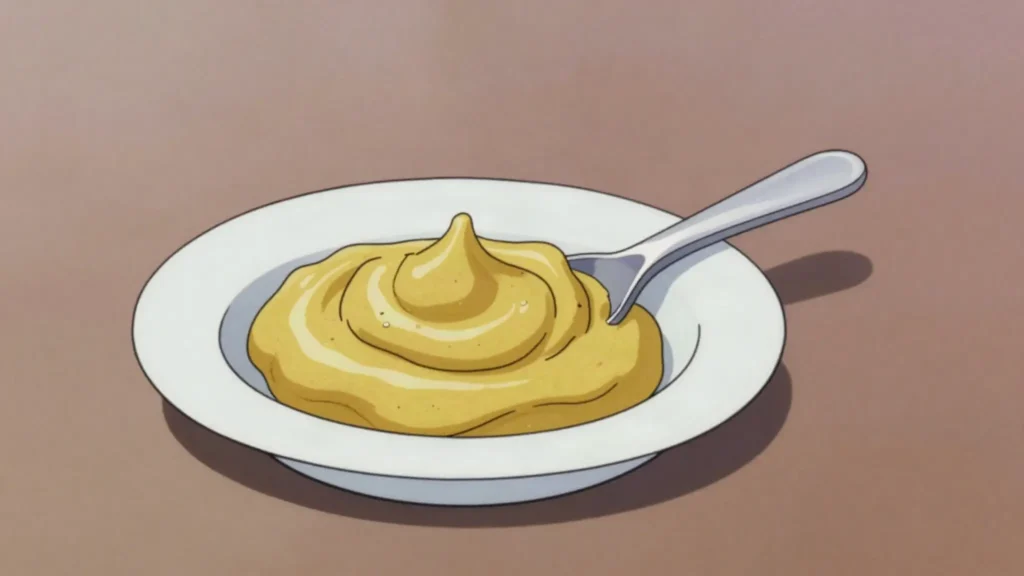
Dijon mustard is a sauce & condiment from France: smooth sharp mustard used in vinaigrettes, sauces and on cold meats. Dijon mustard makers held guild rules from 1634; in 1856 Jean Naigeon replaced vinegar with verjuice, giving the modern sharp, pale style.
How long does Dijon mustard take to make?
Dijon mustard takes 15 min plus 2 days soaking and 1 week resting of preparation and no cooking at all. The recipe makes 1 jar, about 300 g. It is rated easy to make.
What can I substitute in Dijon mustard?
Yes, within limits. Dry white wine with a squeeze of lemon in place of verjuice. All yellow seeds for a milder mustard, or more brown seeds for a fiercer one.
What is the most important thing to get right in Dijon mustard?
Blend the whole lot at high speed for several minutes, scraping down the sides, until it is as smooth as your blender will manage.