
Ingredients
The masa
- 1 kgfresh masa for tamales
- or 500 g masa harina
- nixtamalised
- plus about 700 ml warm water
- 150 glard, softened
- or vegetable shortening
- 1and a half teaspoons salt
The bean filling
- 400 gcooked red beans
- or 200 g dried red beans
- soaked overnight
- 1small onion, chopped
- 2 clovesgarlic, chopped
- 2 tablespoonslard or oil
- salt, to taste
The loroco
- 150 gloroco flower buds
- fresh or frozen
- or 100 g from a jar, drained
- picked over and rinsed
The wrappers
- banana leaves
- cut into 20 cm squares
- passed over a flame to soften
- strips of leaf or string, to tie
To serve
- soured cream or crema
- crumbled fresh white cheese
- a simple tomato salsa
- hot coffee
Directions
- Rinse it well and use less salt elsewhere. They travel well and they keep for days. Start by preparing the banana leaves. Cut them into squares of about twenty centimetres.
- Cut along the grain rather than across it. Hold it above a gas ring for a few seconds. That heating is what stops them splitting. Tear a few spare leaves into strips for ties. If using dried beans, they must be soaked. Soak them overnight in plenty of cold water. Drain them and discard the soaking water. There is a genuine safety point about beans.
- Boil them on the hob first, then transfer. Boil the soaked beans hard for ten minutes. Then simmer them until fully tender. Drain them but keep some cooking liquid. Cook them until soft and lightly golden. Add the cooked beans to the pan.
- Mash them roughly with the back of a spoon. Add a little cooking liquid to loosen them. The filling should be thick and spreadable. Season it well with salt and taste it. Let it cool completely before you use it. Warm filling makes the masa difficult to handle. Pick over them and remove any stems. Remove any buds that have already opened.
- Rinse them well in cold water. Drain them thoroughly and pat them dry. Chop them roughly if the buds are large. It must be nixtamalised masa harina. Mix masa harina with salt in a large bowl. Add warm water gradually while mixing by hand. Work it into a soft dough like mashed potato. Let it rest for fifteen minutes to hydrate. Now beat the lard until pale and fluffy.
- Beat it hard for a good five minutes. Test it by dropping a piece into cold water. Add the masa to the fat in several batches. Beat well after each addition before adding more. The mixture should stay light and soft. Add warm water if it becomes too stiff. Taste a pinch and check the salt level.
- Fold gently rather than beating it in. The buds should stay whole and visible. Set up the steamer before you start wrapping. Use a tall pot with a rack inside it. Line the rack with spare banana leaf pieces. Fill with water to just below the rack. The water must never touch the tamalitos.
- Put a coin in the water at the bottom. It rattles while boiling and goes quiet when dry. Bring the water to a boil as you wrap. Lay a square shiny side up on the surface. Spoon about two tablespoons of masa on it. Spread it into a rectangle with a spoon. Leave a clear border on every side. Spoon a line of bean filling down the centre. Do not overfill or it will burst open.
- Fold one side of the leaf over the filling. Fold the opposite side over the first. Fold both ends up underneath the parcel. Tie it around the middle with a leaf strip. Tie it firmly but not tightly at all. The masa expands and needs a little room.
- Stand the parcels upright in the steamer. Pack them snugly so they support each other. Cover the top with more spare leaves. Lay a cloth over that before the lid. Steam them for about an hour and a quarter. Check the water every twenty minutes or so. Top up with boiling water, never cold. Cold water stops the steam and lengthens cooking.
- Steam scalds badly, so lift the lid carefully. Use a dry cloth, since a wet one conducts heat. Let it sit for five minutes before opening. Opened straight away it looks wet and clings. Serve them hot, still in their leaves. The leaf is never eaten and is set aside. Steam them straight from frozen for half an hour. Do not thaw them first, since they go watery.
Technique
- Loroco is the unopened flower bud of Fernaldia pandurata, a Central American climbing vine, and it has no real substitute. Frozen loroco from a Latin American grocer is closest to fresh; jarred loroco in brine is softer and saltier, so rinse it well and cut back the salt elsewhere.
- Undercooked red beans contain phytohaemagglutinin, which causes severe vomiting and cramps. Discard the soaking water, boil hard for ten minutes, and never cook dried beans in a slow cooker that never reaches a boil. Tinned beans are already cooked.
- Beating air into the fat is what separates a light tamalito from a heavy one. The float test in cold water is a genuine, widely used check.
- Banana leaves must be thawed and then passed over a flame. Heating turns them glossy and flexible; unheated leaves crack along the ribs when you fold them. Cut along the grain, not across it, and never leave a leaf over a flame unattended.
- Let the bean filling cool completely before assembling. Warm filling softens the masa and makes the parcels difficult to handle.
- Rest a cooked ticuco five minutes before opening it. Opened straight from the steamer the masa looks wet and clings to the leaf, which reads as undercooked when it is not.
- Steam scalds worse than boiling water, because it carries more heat and condenses on skin. Tilt the lid away from your face and use a dry cloth.
Substitutions
- Jarred loroco replaces fresh or frozen; rinse it thoroughly and reduce the salt in the masa.
- Tinned red beans replace dried ones directly; drain, rinse and fry them with the onion.
- Vegetable shortening replaces lard for a vegetarian version and whips up better than oil.
- Corn husks replace banana leaves, giving a slightly different aroma and a drier result.
- Black beans replace red beans in some households and give a darker, earthier filling.
- Masa harina replaces fresh masa; buy nixtamalised masa harina, never plain cornmeal or polenta.
Variations
- Tamalitos de elote, made with fresh sweetcorn rather than masa, are the seasonal sweet counterpart.
- Salvadoran pupusas de loroco use the same flower buds in a filled griddle cake and are probably loroco’s best-known use.
- Larger Honduran tamales with chicken or pork in a seasoned sauce are the festival version, made at Christmas and for celebrations.
- Some households add a spoonful of soft white cheese to each parcel alongside the beans.
- A version with no filling at all, plain masa flecked with loroco, is served as a bread alongside stews.
- Ticucos wrapped in corn husk rather than banana leaf are made where leaves are harder to come by.
History
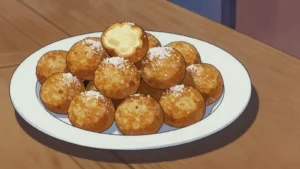
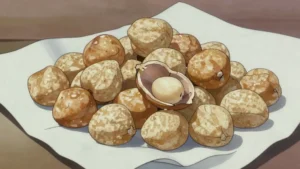
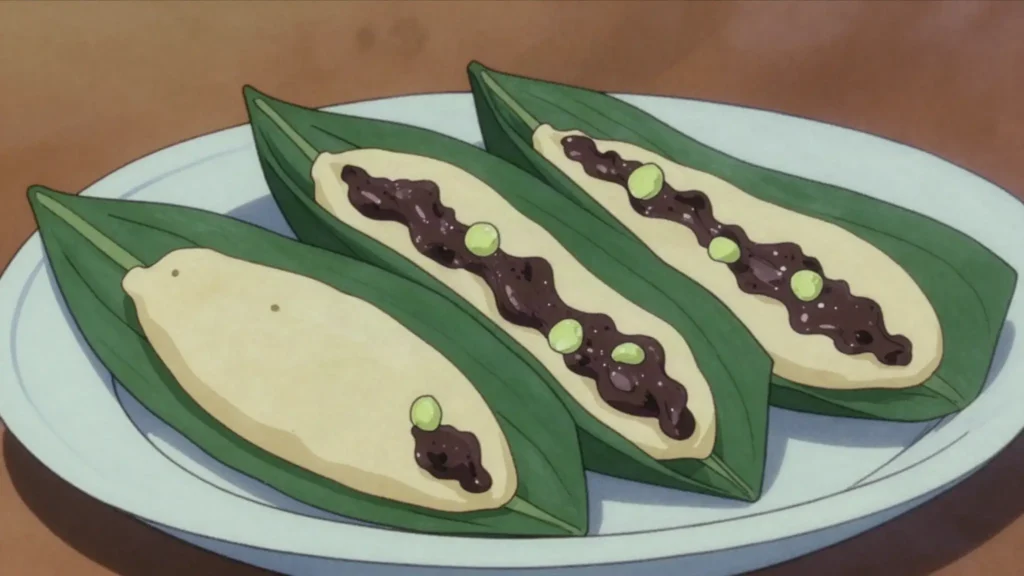
A rural Honduran tamalito wrapped in plantain leaf, made with loroco, an edible vine flower of Central America.
Frequently asked questions
What is Ticucos?
Ticucos is a snack from Honduras: small corn tamales filled with mashed beans and loroco flower buds. A rural Honduran tamalito wrapped in plantain leaf, made with loroco, an edible vine flower of Central America.
How long does Ticucos take to make?
Ticucos takes 45 minutes of preparation and 1 hour 15 minutes of cooking. The recipe makes makes about 20. It is rated medium to make.
What can I substitute in Ticucos?
Yes, within limits. Jarred loroco replaces fresh or frozen; rinse it thoroughly and reduce the salt in the masa. Tinned red beans replace dried ones directly; drain, rinse and fry them with the onion. Vegetable shortening replaces lard for a vegetarian version and whips up better than oil. Corn husks replace banana leaves, giving a slightly different aroma and a drier result. Black beans replace red beans in some households and give a darker, earthier filling. Masa harina replaces fresh masa; buy nixtamalised masa harina, never plain cornmeal or polenta.
What is the most important thing to get right in Ticucos?
Cut along the grain rather than across it. Hold it above a gas ring for a few seconds. That heating is what stops them splitting. Tear a few spare leaves into strips for ties. If using dried beans, they must be soaked. Soak them overnight in plenty of cold water. Drain them and discard the soaking water. There is a genuine safety point about beans.