
Ingredients
Batter
- 500 grice
- 100 gcooked rice, or 100 g cooked millet
- 1small onion
- 1 tspsalt
- 1 tbspsugar
- warm water
Rising
- 1 tspinstant yeast, optional
- a little of a previous batch, if you have it
To cook
- oil, for the pan
To serve, savoury
- yaji, a groundnut and chilli spice mix
- pepper sauce
- stewed meat
To serve, sweet
- honey
- sugar
Equipment
- a dimpled iron pan, masa or æbleskiver pan
Directions
- Wash the raw rice well and soak it in plenty of water for 4 to 6 hours, or overnight.
- Drain the soaked rice and blend it with the cooked rice, the onion and just enough water to make a thick smooth batter. The spoonful of already-cooked rice is doing real work: its gelatinised starch gives the batter body and helps it hold the bubbles.
- Blend it properly smooth. The batter should be thick enough to drop slowly from a spoon, roughly like a thick pancake batter.
- Cover it with a cloth and leave it in a warm place overnight, 8 to 12 hours. If your kitchen is cold, or you want it faster, stir in the yeast, or a few spoonfuls of a previous batch.
- Stir in the salt and sugar just before cooking, not the night before. Salt added early slows the ferment considerably, which is why it goes in at the end.
- Heat the dimpled pan over a medium heat and brush each hollow with oil. Spoon batter into each hollow, filling them about three-quarters. Cook until the surface is set and full of small holes and the edges pull away, about 3 minutes. Wait for the holes to appear before turning.
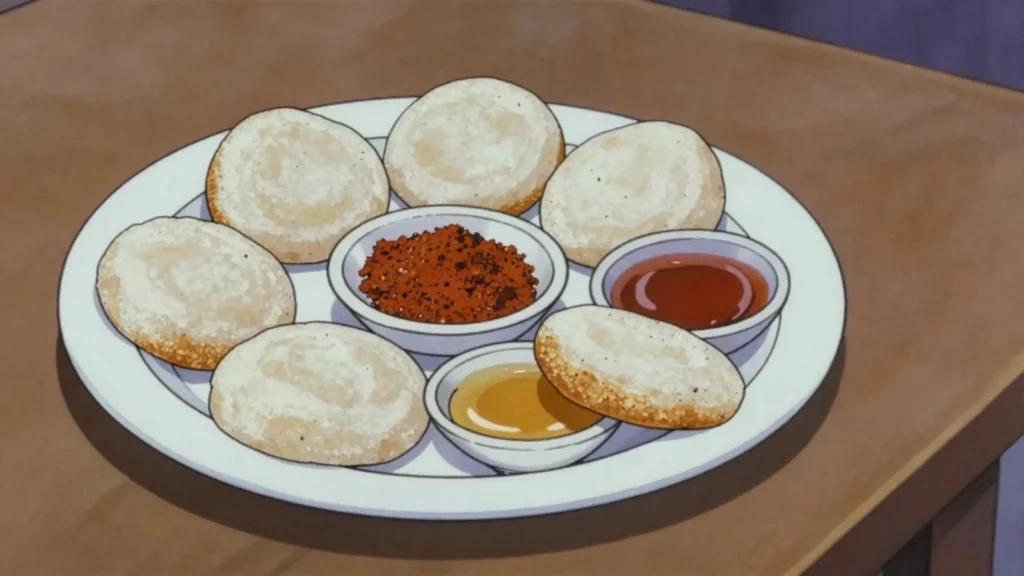
- Turn each cake with a skewer or a fork and cook the other side 2 minutes until golden. They should be crisp and golden outside and soft, slightly springy and faintly sour inside. Serve them hot, savoury with yaji and pepper sauce, or sweet with honey.
Technique
- A Danish æbleskiver pan works perfectly and is the easiest substitute to find elsewhere.
- Keeping a cup of batter back to start the next batch gives a faster and more reliable ferment.
- They go tough as they cool and are always eaten hot.
Substitutions
- Millet or sorghum in place of some of the rice, which is traditional in places.
- An æbleskiver pan, or a poffertjes pan, for the dimpled iron.
Variations
- Masar shinkafa, made with rice, and masar dawa, made with sorghum.
- Sweetened in the batter, eaten as a snack.
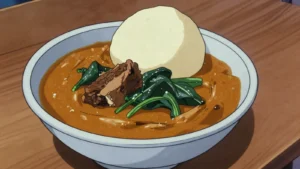
- Served with miyan taushe, pumpkin and groundnut soup.
History
Rice batter is fermented overnight, then cooked in a dimpled iron pan; the slightly sour cakes are a Hausa breakfast and a Ramadan staple.
Frequently asked questions
What is Masa?
Masa is a street food from Niger: slightly sour rice cakes griddled in dimpled pans, with sauce or honey. Rice batter is fermented overnight, then cooked in a dimpled iron pan; the slightly sour cakes are a Hausa breakfast and a Ramadan staple.
How long does Masa take to make?
Masa takes 20 min plus overnight fermenting of preparation and 25 min of cooking. The recipe makes about 24. It is rated medium to make.
What can I substitute in Masa?
Yes, within limits. Millet or sorghum in place of some of the rice, which is traditional in places. An æbleskiver pan, or a poffertjes pan, for the dimpled iron.
What is the most important thing to get right in Masa?
Stir in the salt and sugar just before cooking, not the night before. Salt added early slows the ferment considerably, which is why it goes in at the end.